
Scientists say rising ocean temperatures and the possible return of El Nino could push the planet towards more heatwaves, droughts and climate extremes in the coming years
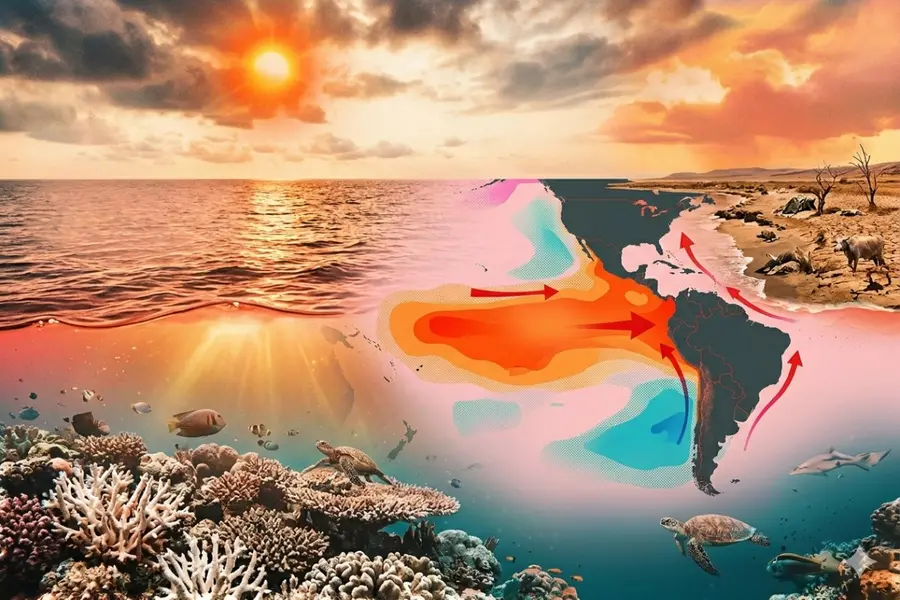
Ocean temperatures across the world are once again moving close to record-breaking levels as weather conditions begin shifting towards a possible El Nino event, according to Europe’s climate monitoring agency. Scientists say the warming oceans could contribute to more extreme weather in the coming years, including droughts, heavy rainfall and marine heatwaves.
The European Union’s Copernicus Climate Change Service said sea surface temperatures during April were the second-highest ever recorded for the month. Experts now believe May could soon set a new record.
Also Read

Samantha Burgess, strategic lead for climate at the European Centre for Medium-Range Weather Forecasts (ECMWF), said global sea temperatures were only slightly below the all-time highs seen in 2024.
“It’s a matter of days before we are back in record-breaking ocean SSTs (sea surface temperatures) again,” Burgess told.
What is happening to ocean temperatures?
According to Copernicus, sea surface temperatures steadily climbed throughout April and moved closer to record levels as the planet transitions from neutral weather conditions towards El Nino.
The organisation said marine heatwaves reached record levels in parts of the ocean stretching between the tropical Pacific and the United States.
Scientists believe this warming trend is an early sign that El Nino conditions are developing once again.
Last month, the World Meteorological Organization said El Nino could begin forming between May and July.
What is El Nino and why does it matter?
El Nino is part of a natural climate cycle linked to changes in Pacific Ocean temperatures and trade winds. It affects weather patterns across the globe and often increases the chances of extreme conditions such as droughts, floods and intense rainfall.
The phenomenon also adds extra heat to an already warming planet.
The last El Nino event played a major role in making 2023 and 2024 the second and first hottest years ever recorded globally.
Some weather experts now believe the next El Nino could become particularly strong, possibly reaching levels similar to the powerful “super” El Nino seen around three decades ago.
Could future years become even hotter?
Climate researchers say rising ocean temperatures could push global heat records even further in the years ahead.
Zeke Hausfather, a scientist at Berkeley Earth, recently said a strong El Nino would greatly increase the possibility of 2027 becoming the hottest year ever recorded.
Burgess also warned that 2027 could overtake 2024 as the warmest year globally.
“We’re likely to see 2027 exceed 2024 for the warmest year on record,” she said.
She explained that El Nino’s biggest effect on global temperatures is usually felt in the year following its peak.
However, Burgess cautioned that it is still too early to predict exactly how powerful the upcoming El Nino event will become because forecasts made during the Northern Hemisphere spring are often less reliable.
Even so, she said the phenomenon is expected to have a noticeable impact regardless of its eventual strength.
Climate change still driving extreme heat
Scientists stress that El Nino alone is not responsible for the unusual ocean warmth currently being observed around the world.
Experts say long-term global warming caused mainly by greenhouse gas emissions remains the biggest factor behind rising temperatures.
The world’s oceans absorb around 90 percent of the excess heat produced by human activities such as burning fossil fuels.
This growing ocean heat has already contributed to coral bleaching, marine heatwaves and other environmental problems.
April among hottest months ever recorded
In its latest monthly climate bulletin, Copernicus said April ranked as the third hottest April ever measured globally.
The month was recorded at 1.43 degrees Celsius above the 1850 to 1900 pre-industrial average.
The report also noted that Arctic sea ice levels stayed close to record lows during April.
Meanwhile, Europe experienced mixed weather conditions that scientists believe could increase the risk of drought and wildfires during the coming summer.
Burgess said the continued rise in climate extremes shows the growing impact of climate change around the world.
“We just keep seeing extremes. Every month we have more data that the climate change impact is creating these extreme events,” she said.
Agency inputs
Published: 08 May 2026, 10:56 am IST
Related Topics
Disclaimer: Kindly avoid objectionable, derogatory, unlawful and lewd comments, while responding to reports. Such comments are punishable under cyber laws. Please keep away from personal attacks. The opinions expressed here are the personal opinions of readers and not that of Mathrubhumi.