
Global climate experts estimate that sea surface temperatures could rise by up to two degrees Celsius.
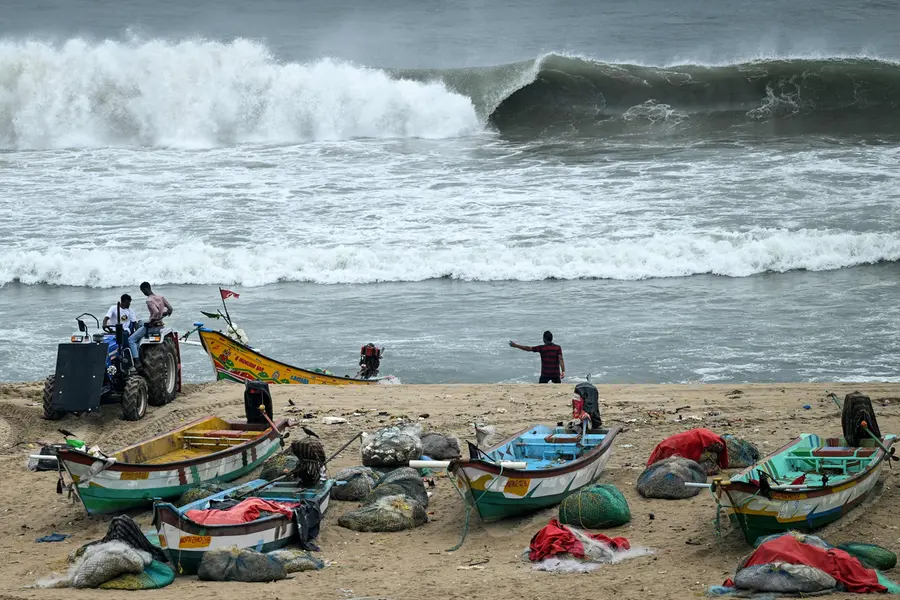
Kochi: Rising temperatures in the Arabian Sea and the expected arrival of El Nino next year could have severe consequences for Kerala’s coast and fisheries sector, according to Dr Grinson George, Director of the Central Marine Fisheries Research Institute (CMFRI).
"The 600-km-long Kerala coastline has seen a steady reduction in fishing days for those dependent on the sea, due to multiple factors including weather warnings and ship-related accidents. Kerala has already become one of the places most affected by climate change on Earth," Dr Grinson George said in an interview with Mathrubhumi, discussing changing conditions and challenges.
He said weather forecasts are now largely accurate. "The El Nino phenomenon is expected to form in Peru in South America during November–December this year and is likely to reach the Kerala coast next summer. The heat at that time will be higher than what Kerala is currently experiencing. This will cause serious impacts not only on land but also in the sea," he said.
Studies show that the Arabian Sea is experiencing the highest rise in temperature among the world’s oceans, he said. "Fish availability in the fisheries sector will reduce significantly. Species such as sardine (mathi), which has high demand in Kerala, will be strongly affected by rising sea temperatures. Sardines live near the ocean surface and have limited ability to escape rising heat, although they are considered relatively resilient," he said.
He explained that oceanic and climatic movements originating from Peru can be understood like a “bridge” across the ocean. "The term El Nino means “little boy” or “baby Jesus”, named by fishermen as the phenomenon was first observed around Christmas when unusual warming occurs along the Peruvian coast," he noted.
"During El Nino, sea surface temperatures in the central and eastern Pacific rise above normal levels. This leads to reduced rainfall and drought conditions in Asian countries. It travels from Peru towards the Indian coast in a bridge-like oceanic pattern. As a result, monsoon rainfall in India is expected to decrease. Global climate experts estimate that sea surface temperatures could rise by up to two degrees Celsius," he added.
Published: 08 May 2026, 07:56 am IST
Related Topics
Disclaimer: Kindly avoid objectionable, derogatory, unlawful and lewd comments, while responding to reports. Such comments are punishable under cyber laws. Please keep away from personal attacks. The opinions expressed here are the personal opinions of readers and not that of Mathrubhumi.
