
From high-fidelity vertical videos to industrial-scale API management, optimization is the name of the game for creators and developers this year.
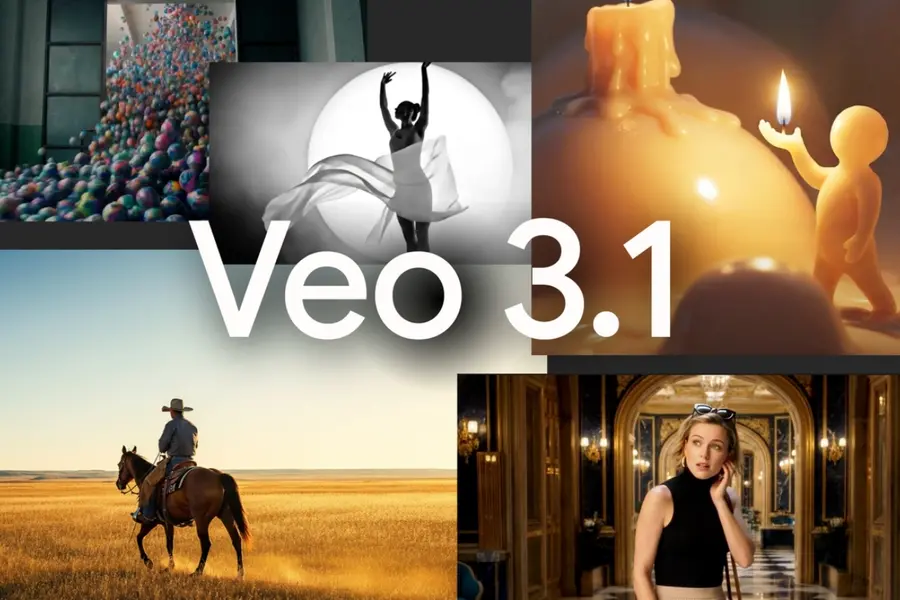
On January 14, 2026, the tech world saw two pivotal updates: Google Veo 3.1, enhancing creative AI video tools, and insights on enterprise API scaling, addressing growing backend complexity.
Google Veo 3.1: AI Video Goes Vertical
Also Read

Google’s Veo 3.1 update targets the booming short-form content market, dominated by TikTok, Instagram Reels, and YouTube Shorts. The update introduces native vertical video support, allowing 9:16 clips without cropping, preserving framing and quality.
“Ingredients to Video”: Creative Control Redefined
A standout feature of Veo 3.1, Ingredients to Video, lets creators provide a reference image along with text prompts to guide AI-generated motion. This ensures brand consistency, character fidelity, and precise visual storytelling, making professional-quality video production accessible to casual creators.
Better Prompt Fidelity: Fewer AI Hallucinations
Veo 3.1 improves the AI’s understanding of complex instructions, reducing errors or “hallucinations” in the final output. Creators can expect higher accuracy and reliability when generating intricate motion content.
Takeaway:
For creators and marketers, Google Veo 3.1 drastically lowers the barrier to producing high-quality, vertical video content, optimising workflows for social media platforms.
Enterprise API Scaling: The Backend Challenge
While Veo 3.1 focuses on creativity, enterprise developers face a growing backend problem: API sprawl. Startups often manage a handful of APIs, but enterprise systems can involve thousands, creating complexity and risk.
Version Control: Keeping Track at Scale
Without robust frameworks, managing different API versions becomes chaotic. Version mismatches can disrupt services, making industrial-scale control essential.
Digital Fabric: APIs as Infrastructure
APIs now form the backbone of enterprise communication. Weak architecture can cause systemic failures, emphasising the need for automated, scalable, and reliable integration patterns.
The Shift to Robust Frameworks
Developers must move away from ad hoc solutions and adopt industrial-grade, automated structures for API orchestration, monitoring, and scaling. Stability and efficiency are no longer optional—they are mandatory for enterprise survival.
The challenge for developers in 2026 is not simply building APIs but ensuring thousands work seamlessly together, maintaining digital resilience and operational efficiency.
Common Theme: Optimization in 2026
Both updates, though targeting different audiences, reflect a broader trend: optimisation over experimentation. Whether enhancing creative AI video generation or stabilising enterprise API infrastructure, the focus is now on industrial-scale efficiency, precision, and reliability.
Published: 14 Jan 2026, 08:42 pm IST
Related Topics
Disclaimer: Kindly avoid objectionable, derogatory, unlawful and lewd comments, while responding to reports. Such comments are punishable under cyber laws. Please keep away from personal attacks. The opinions expressed here are the personal opinions of readers and not that of Mathrubhumi.