
US to withdraw 1,000 troops from Syria in 2 months, concluding a decade-long mission against ISIS
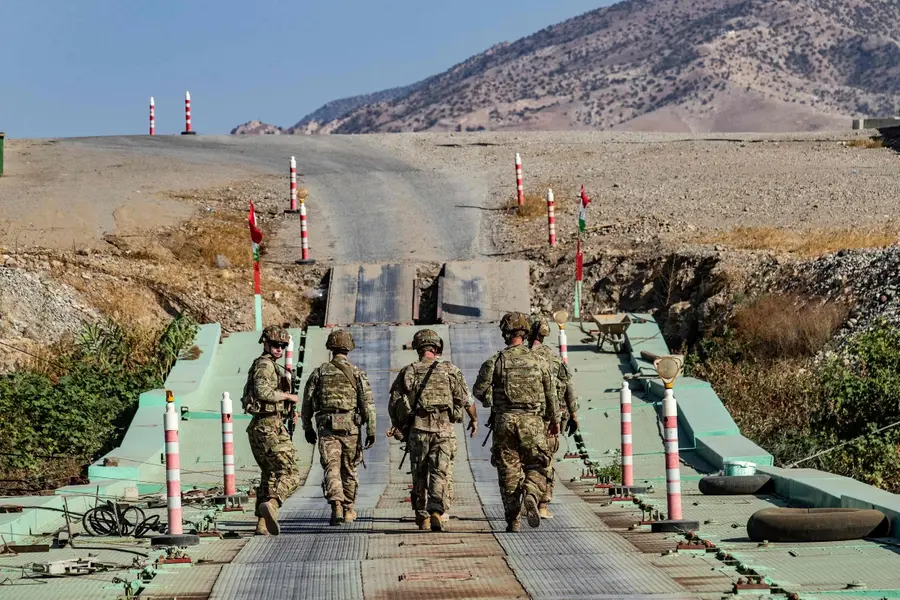
The United States is planning to withdraw its remaining 1,000 troops from Syria over the next two months, ending a decade-long military presence aimed at combating ISIS.
Remaining American forces, stationed at al Tanf in southern Syria and al Shaddadi in the northeast, are set to depart within two months, according to U.S. officials. The Wall Street Journal first reported the plan, marking the conclusion of a mission that began in 2015 to support an anti-ISIS coalition, including the Kurdish-led Syrian Democratic Forces (SDF).
Also Read

Changing Syrian landscape
The Assad government collapsed in late 2024, and the new Syrian President Ahmed al-Sharaa, a former rebel leader, has renounced past ties with al Qaeda. Al-Sharaa’s government recently reached an agreement to integrate the SDF into Syria’s armed forces, altering the security dynamics that had necessitated a U.S. presence.
For years, U.S.-allied Kurdish forces provided security for prisons and refugee camps housing thousands of ISIS prisoners and their families. Earlier this month, the U.S. facilitated the transfer of 5,700 ISIS fighters from Syrian detention facilities to Iraqi custody.
The U.S. military has faced attacks from Iranian-backed groups and pressures from neighbouring Turkey, while isolated incidents, such as the December ambush that killed two Iowa National Guard members, underscored the ongoing risks. Operation Hawkeye Strike was launched in retaliation to target ISIS positions.
Historical context
President Trump’s first-term efforts to withdraw fully from Syria faced internal resistance, leading to Defense Secretary Jim Mattis’ resignation. While a small U.S. presence remained to support anti-ISIS operations, the full withdrawal is now being executed amid a transformed Syrian security environment.
The pullout marks the end of a ten-year American mission in Syria, as Washington shifts focus following changing political and military circumstances in the region.
Published: 19 Feb 2026, 12:44 pm IST
Related Topics
Disclaimer: Kindly avoid objectionable, derogatory, unlawful and lewd comments, while responding to reports. Such comments are punishable under cyber laws. Please keep away from personal attacks. The opinions expressed here are the personal opinions of readers and not that of Mathrubhumi.