
The report said differences are emerging within the US government over the extent of the military damage caused.
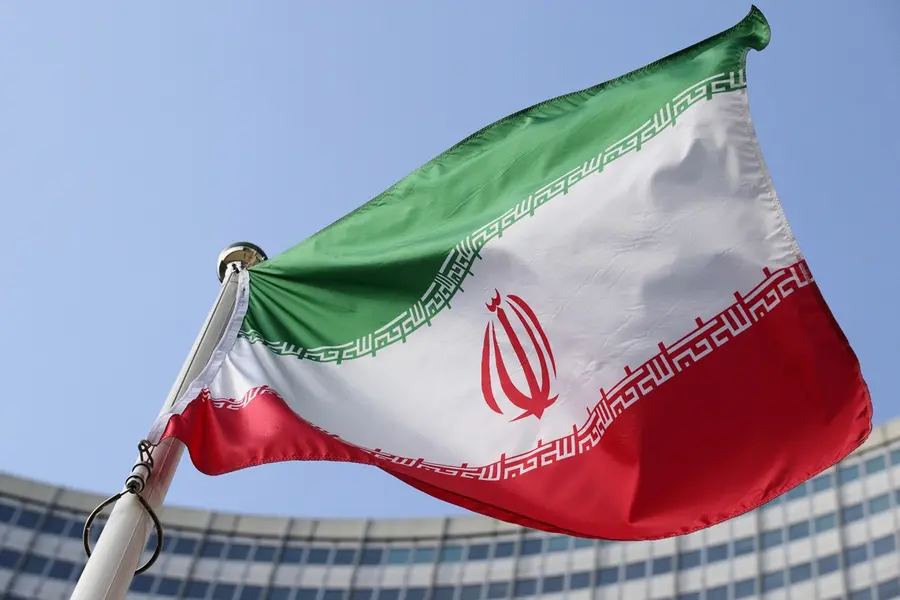
Iran’s military is recovering from US and Israeli strikes more quickly than initially believed, according to a CNN exclusive report published on Thursday. Despite a ceasefire being in place since April, Tehran has already resumed drone production, with intelligence assessments suggesting the country could fully restore its drone attack capability within six months.
The report said the extent of damage to Iran’s military assets may have been lower than early estimates suggested.
Updated assessments challenge early damage estimates
Initial assessments had suggested that half of Iran’s missile launchers had been destroyed. However, updated findings indicate that around two-thirds of the launchers remain operational.
According to the report, several launchers were buried under debris rather than destroyed entirely. It also stated that roughly half of Iran’s drone fleet remains intact.
Coastal missile systems, which are used to threaten shipping routes, were also said to have escaped major damage during the bombing campaign.
Recovery timeline sparks debate within US administration
The report said differences are emerging within the US government over the extent of the military damage caused.
A senior American commander had recently claimed that 90 per cent of Iran’s weapons manufacturing industry had been eliminated. However, the report said some intelligence experts disputed that assessment, arguing that it does not align with developments on the ground.
According to the report, these experts believe the industrial base is being restored over months rather than years.
Russia and China support cited in recovery efforts
The report identified multiple reasons for Iran’s recovery pace. It said support from Russia and China had provided essential components for missile production.
It also said the strikes did not inflict the level of lasting damage initially expected by the US and Israel.
The report added that President Donald Trump had warned he could resume air strikes at any time, while recovering military assets remain a concern for regional stability.
Published: 21 May 2026, 07:16 pm IST
Related Topics
Disclaimer: Kindly avoid objectionable, derogatory, unlawful and lewd comments, while responding to reports. Such comments are punishable under cyber laws. Please keep away from personal attacks. The opinions expressed here are the personal opinions of readers and not that of Mathrubhumi.
