
Tehran says it has received Washington's response to its latest proposal, but the US-Iran peace process remains unresolved amid disagreements over the Strait of Hormuz and nuclear talks.
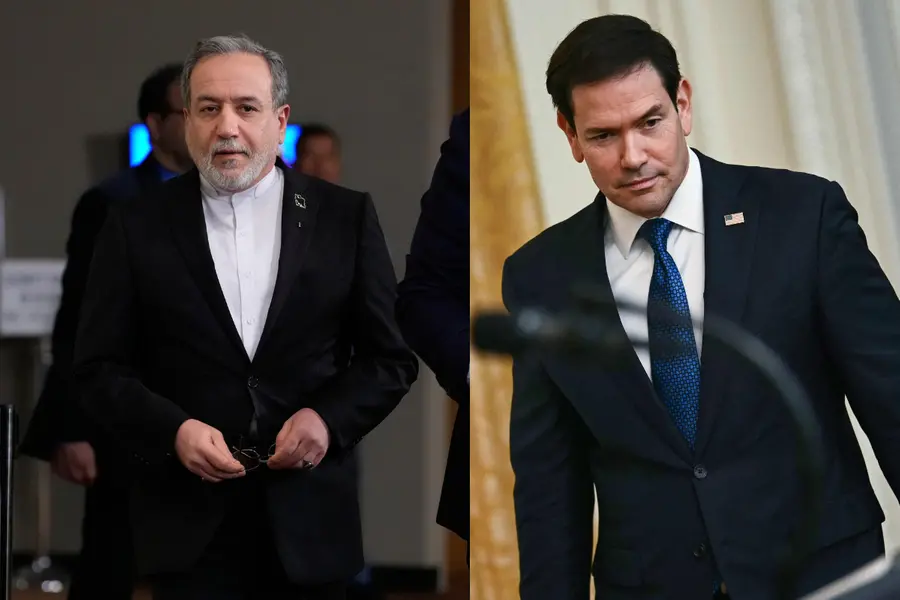
New York: US-Iran diplomacy remains deadlocked, with Tehran saying it has received Washington's response to its latest proposal while the two sides remain divided over the terms for ending the conflict and reopening the Strait of Hormuz.
Reports that Iranian Foreign Minister Abbas Araghchi was ordered to leave New York have also been disputed by Iran.
Also Read

What is happening between the US and Iran?
Efforts to reach an agreement between Washington and Tehran remain stalled after indirect discussions held around the UN General Assembly in New York.
Iranian Foreign Minister Abbas Araghchi had remained in New York after President Masoud Pezeshkian's UN appearance to participate in indirect discussions involving US officials and mediators, including Qatar.
The talks have focused on ending the conflict, the future of Iran's nuclear negotiations and conditions linked to the Strait of Hormuz. Reports indicate that the discussions made little progress.
Iranian officials say Tehran has received an official US response to its latest proposal.
Iranian government spokesperson Fatemeh Mohajerani said Araghchi presented the US response to President Masoud Pezeshkian during a Cabinet meeting.
Pezeshkian said Iran would continue efforts to reach an agreement but insisted that any deal must be based on what he described as a "win-win strategy".
The development comes despite President Donald Trump having publicly rejected Iran's proposal earlier.
What did Iran propose?
Iran had proposed a framework aimed at reopening the Strait of Hormuz and restarting broader negotiations.
Araghchi previously indicated that Iran could reopen the strategic waterway within a week if Washington met conditions including lifting its blockade of Iranian ports, releasing frozen Iranian assets and easing sanctions affecting Iranian oil sales.
The proposal was communicated through mediators, including Qatar, as part of efforts to revive negotiations.
There are conflicting accounts.
According to two US officials cited by the Associated Press, US Secretary of State Marco Rubio instructed Araghchi and the Iranian delegation to leave New York earlier than planned after talks produced little progress. The officials said Araghchi had initially been expected to remain in New York for further discussions.
However, Iran's UN mission has denied that the delegation was expelled or ordered out.
The Iranian mission said the delegation left New York on Monday evening according to a departure schedule that had already been communicated to the US State Department on September 17.
Why did the talks stall?
The main disagreements concern the conditions for ending hostilities, the Strait of Hormuz and the future of negotiations over Iran's nuclear programme.
Reuters reported that Iran continues to insist on conditions before broader nuclear discussions, while the Trump administration is seeking a wider agreement. Qatari mediators have continued efforts to find a compromise despite the lack of a breakthrough.
Iranian President Masoud Pezeshkian said on Thursday that Tehran remains open to dialogue with Washington.
He said Iran had never shied away from talks and would not do so in the future, while also objecting to negotiations conducted under military pressure.
What happens next?
The immediate focus is on Tehran's assessment of the US response and whether mediators can narrow the remaining differences.
There is no confirmed peace agreement at this stage. The competing accounts over the New York departure also underline the continuing disagreement between Washington and Tehran over the state of the diplomatic process.
The latest developments point to continued diplomacy alongside a lack of agreement rather than a concluded peace deal.
Iran says it has received and is reviewing a US response, while the US side has not produced a publicly confirmed agreement with Tehran. At the same time, indirect talks involving Qatar have continued despite the reported impasse.
The Strait of Hormuz remains a central issue because Iran's proposed reopening of the waterway is tied to demands concerning sanctions, Iranian assets and US actions against Iranian ports. The nuclear issue is another major point of disagreement.
The reports about Araghchi's departure should also be treated carefully: US officials told AP that Rubio ordered the delegation to leave earlier than planned, while Iran's UN mission says the departure was already scheduled.
Bottom line: Tehran says it has received Washington's response and remains open to negotiations, but a US-Iran peace deal has not been reached and the talks remain unresolved.
Published: 01 Oct 2026, 05:56 pm IST
ABOUT THE AUTHOR
Related Topics
Disclaimer: Kindly avoid objectionable, derogatory, unlawful and lewd comments, while responding to reports. Such comments are punishable under cyber laws. Please keep away from personal attacks. The opinions expressed here are the personal opinions of readers and not that of Mathrubhumi.