
Iran is refusing to reopen the Strait of Hormuz or resume formal talks with the US until Washington meets its seven conditions. With JD Vance reportedly leading a fresh diplomatic push, the next move rests with both sides.
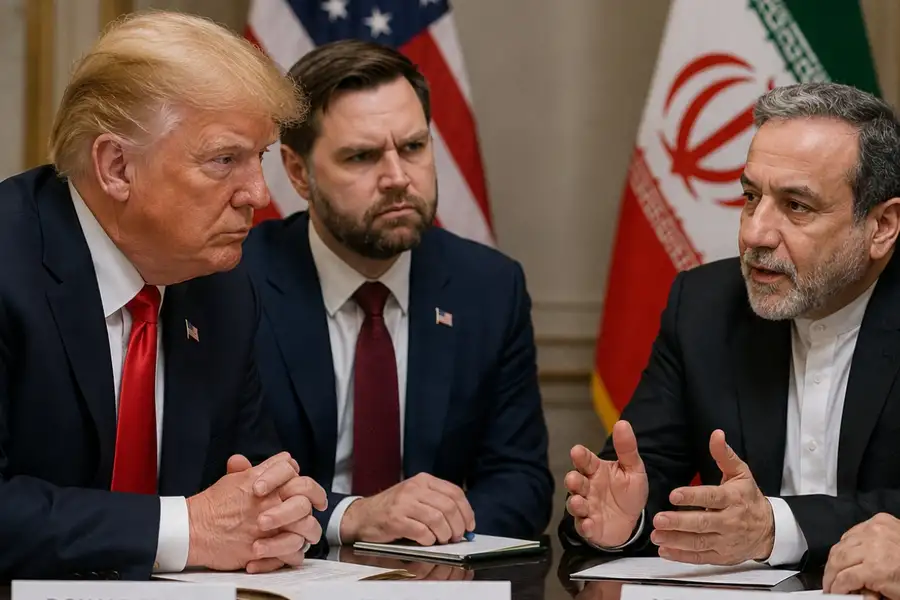
Tehran: Iran has said it will keep the Strait of Hormuz closed and refuse to resume formal negotiations with the United States until Washington meets seven conditions set by Tehran. Mohammad Bagher Ghalibaf, speaker of Iran's parliament and its chief negotiator, said the demands had been communicated to the US through intermediaries and that Tehran was waiting for an official response.
In an interview with Al Jazeera on November 11, Ghalibaf said the responsibility for the next move rested with Washington. He also warned US President Donald Trump against restarting military action against Iran, saying that the US would face another defeat if it chose to resume the war.
Iranian security official Mohsen Rezaei has also denied reports of ongoing negotiations with Washington. Speaking to Lebanon-based Al-Mayadeen television, Rezaei said Tehran was waiting for a clear response to its conditions and dismissed reports of an imminent meeting with American officials.
His remarks came after Trump met Qatari mediators at the White House on Monday. Qatar has been involved in efforts to facilitate communication between the two sides. Trump has played down the prospect of another major military operation against Iran, but Washington has not accepted Tehran's existing proposal for a truce.
What are Iran's seven conditions?
Iran has not publicly released a complete, official list of all seven conditions. However, statements by its officials and reports on Tehran's proposal identify several key demands:
- Removal of US economic sanctions against Iran.
- Release of Iranian assets frozen abroad.
- An end to the US naval blockade of Iranian ports.
- Compensation for damage caused by the war.
- An end to fighting across regional fronts, including Lebanon.
- A formal declaration that the war with Iran has ended.
Guarantees against further US interference or military action, as outlined in reports of Tehran's demands.
The precise wording and full scope of the seven conditions have not been independently established. Ghalibaf has said the demands are linked to understandings reached in June and must be implemented before formal negotiations can resume.
The proposal also sets out a sequence for reopening the Strait of Hormuz. According to reports, Iran would restore passage through the waterway after the US takes the initial steps demanded by Tehran, with discussions on a wider agreement to follow. The exact timetable has been described differently in reports, and no agreement has been announced.
Iran warns US military bases outside the Middle East could be targeted
Rezaei has warned that Iran could strike American military bases outside the Middle East if they are used to launch attacks against Iranian territory.
He said the warning would apply even to bases located in European countries or other distant regions. The statement signals that Tehran is seeking to extend its deterrence warning beyond US military installations in the Gulf and the wider Middle East.
JD Vance takes a central role in US diplomatic efforts
Meanwhile, US Vice President JD Vance is reportedly exploring the possibility of direct negotiations with a senior Iranian security official as the Trump administration looks for a diplomatic way to end the conflict.
A report by The Wall Street Journal said Trump had authorised Vance to lead fresh diplomatic efforts. The discussions are at an early stage, and no meeting date has been finalised. Washington and Tehran have continued exchanging messages through intermediaries and regional partners.
Vance has reportedly sought a meeting with Rezaei, but the Iranian official has said there are no plans for him to hold talks with the US vice president. This leaves the possibility of direct negotiations uncertain.
The reported shift has also brought Vance into a more prominent position in the administration's diplomatic approach, while White House envoys Steve Witkoff and Jared Kushner have taken a less visible role in the latest efforts, according to the Wall Street Journal.
Political differences within the Trump administration
The diplomatic push comes amid differences within the US administration over how to deal with Iran. According to the Wall Street Journal, Secretary of State Marco Rubio and White House Chief of Staff Stephen Miller favour maintaining the naval blockade until Tehran accepts US demands.
Vance's involvement comes after he publicly linked the conflict to the Republican Party's poor performance in the November midterm elections. The war has therefore become both a foreign policy challenge and a domestic political issue for the Trump administration.
Why the Strait of Hormuz is central to the negotiations
The dispute over the Strait of Hormuz is not simply about reopening a shipping route. It has become one of the central bargaining issues between Washington and Tehran.
The narrow waterway connects the Persian Gulf with the Gulf of Oman and the Arabian Sea. It is a major route for international oil and gas shipments, making any disruption a concern for energy markets, shipping companies and countries that depend on supplies from the Gulf.
Iran's decision to link the reopening of the strait to sanctions relief, the removal of the naval blockade and other demands gives Tehran significant leverage in negotiations. For Washington, accepting these conditions before talks begin could mean making concessions without first securing a wider agreement on security and regional issues.
The two sides also appear to disagree over the sequence of negotiations. Tehran wants key demands addressed before formal talks resume, while Washington has not accepted that approach. The reported differences within Trump's administration add another layer of uncertainty to the diplomatic process.
Vance's reported involvement could provide a new channel for communication, but the absence of an agreed meeting and Rezaei's denial of plans for direct talks show that a diplomatic breakthrough is not yet assured.
For now, the central question is whether Washington will respond to Iran's conditions and whether both sides can agree on a sequence that allows shipping through the Strait of Hormuz to resume while broader negotiations continue.
Published: 12 Nov 2026, 08:13 am IST


ABOUT THE AUTHOR

Related Topics
Disclaimer: Kindly avoid objectionable, derogatory, unlawful and lewd comments, while responding to reports. Such comments are punishable under cyber laws. Please keep away from personal attacks. The opinions expressed here are the personal opinions of readers and not that of Mathrubhumi.