
Saudi Arabia, UAE, Qatar and Turkey urge Trump to avoid fresh strikes and give negotiations with Tehran more time.
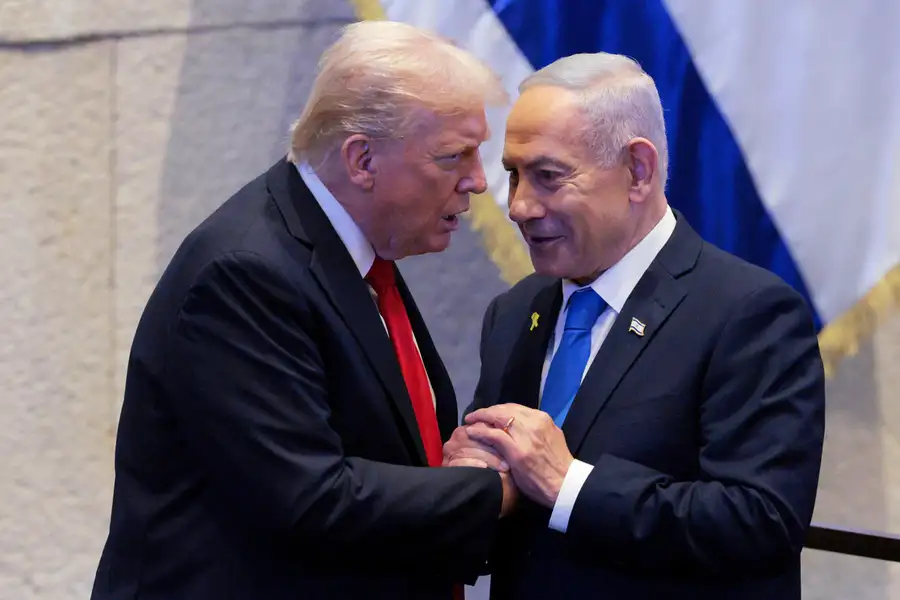
Israeli Prime Minister Benjamin Netanyahu has reportedly been calling US President Donald Trump every day to persuade him to resume military action against Iran, even as Arab and Muslim leaders intensify efforts to prevent a fresh escalation and keep diplomatic negotiations alive, according to a report by the Financial Times.
"Netanyahu calls him every day [to urge him to resume the war]. Those who don't want a war within the White House and outside have been trying to combat that," a person briefed on the discussions told the newspaper.
"The regional leaders are telling him not to escalate and prioritise negotiations," the person added.
The reported lobbying comes amid growing concern among Gulf nations that renewed US-Israeli military action could trigger a wider regional confrontation. Saudi Crown Prince Mohammed bin Salman, UAE President Sheikh Mohamed bin Zayed Al Nahyan, Qatar's Emir Sheikh Tamim bin Hamad Al Thani and Turkish President Recep Tayyip Erdogan have reportedly spoken to Trump, urging him to give diplomacy more time.
According to the report, another person familiar with the situation in Israel said Netanyahu wanted military operations against Iran to resume, although there was no active push to persuade Trump at that stage.
Also read | 'Washington's doctrines of aggression have failed': Iran issues fresh warning to US
Trump signals reluctance to launch fresh Iran strikes
Trump has indicated that another major military offensive against Iran appears unlikely for now, following discussions with Qatari Prime Minister Sheikh Mohammed bin Abdulrahman Al Thani at the White House on Monday.
Qatar has been leading regional efforts to broker an interim agreement between Washington and Tehran.
In a post on Truth Social, Trump said Qatar, Saudi Arabia, the UAE, Bahrain, Kuwait and other countries preferred maintaining the current situation, including the continuation of the US naval blockade of Iranian ports, rather than a fresh escalation.
He also indicated a preference for maintaining economic pressure on Tehran instead of launching another round of military strikes.
"We are seeing positive momentum toward an end to this Conflict, and will ensure that America's interests are at all times protected," Trump wrote.
The US president also described Iran as militarily "effectively over", suggesting that Washington was prepared to maintain the current situation while diplomatic efforts continued.
Also read | Russia-Ukraine peace talks in Abu Dhabi last nearly 4 hours; major differences remain
Gulf leaders fear wider regional escalation
The diplomatic efforts come amid concerns that renewed attacks could draw neighbouring countries into a wider conflict. Gulf leaders have been pressing Washington to prioritise negotiations and avoid further military action.
UAE presidential diplomatic adviser Anwar Gargash has also stressed the importance of a political settlement.
"The priority must remain the pursuit of political diplomatic solutions capable of producing a more sustainable regional balance," he said.
Meanwhile, Iran has warned that any fresh attacks by the US or Israel would invite retaliation. Iranian officials, including representatives of the Islamic Revolutionary Guard Corps (IRGC) and military leadership, have reportedly warned of asymmetric responses targeting both military and civilian-linked infrastructure.
Among the potential targets mentioned in the warnings are regional data centres, cloud infrastructure and major undersea internet cables passing through the Strait of Hormuz.
The developments underline the competing pressures on Trump as Washington weighs a diplomatic settlement with Tehran against calls from Netanyahu for renewed military action.
Published: 10 Nov 2026, 09:02 pm IST


ABOUT THE AUTHOR

Related Topics
Disclaimer: Kindly avoid objectionable, derogatory, unlawful and lewd comments, while responding to reports. Such comments are punishable under cyber laws. Please keep away from personal attacks. The opinions expressed here are the personal opinions of readers and not that of Mathrubhumi.