
Iran's foreign minister says Tehran is prepared for renewed war with Washington but remains open to diplomacy after Trump's rejection of a seven-day Hormuz proposal.
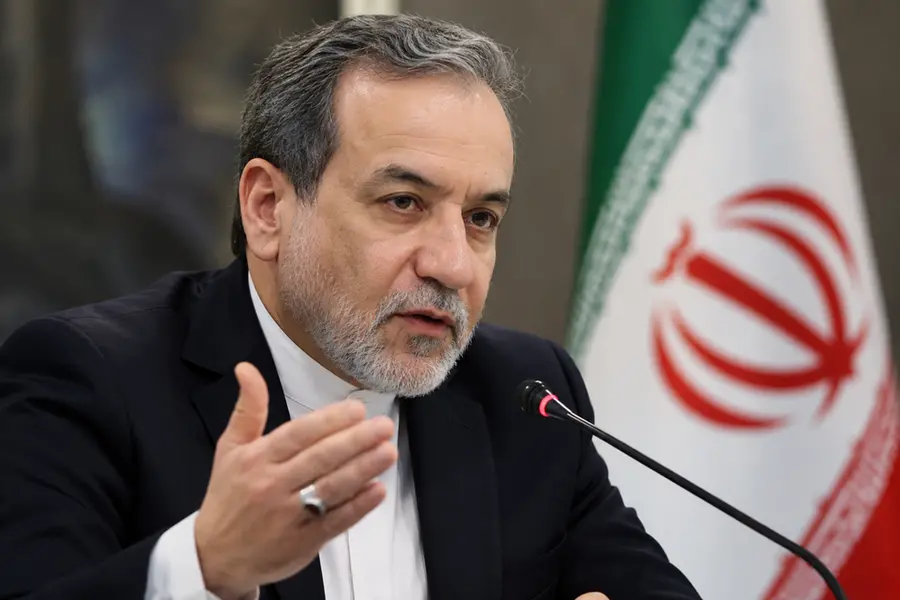
Iranian Foreign Minister Abbas Araghchi has said Tehran is fully prepared for the conflict with the United States to resume, while insisting that Iran has not closed the door to diplomacy after US President Donald Trump rejected an Iranian proposal linked to reopening the strategically vital Strait of Hormuz.
Speaking to NBC's Meet the Press on Sunday, Araghchi said Iran was prepared to respond if Washington launched fresh military action.
At the same time, he said Tehran remained willing to pursue negotiations, placing the choice between further confrontation and diplomacy with the US.
'We are ready for diplomacy. We are ready for war at the same time,' Araghchi said, according to reports of the interview.
He added that Iran was prepared for the conflict to resume even in an extreme scenario, while maintaining that diplomatic efforts should continue.
Iran's seven-day proposal for Hormuz
The remarks came after Tehran put forward a seven-day framework aimed at restoring navigation through the Strait of Hormuz and restarting negotiations with Washington.
Iran had conveyed the proposal through mediators, including Qatar, during the United Nations General Assembly in New York.
Under the framework described by Araghchi, the seven-day period would begin once Washington accepted the proposal. Iran said the US would first have to take several steps, including ending the fighting, lifting its blockade, and allowing Iran to resume oil exports. Tehran also sought the release of frozen Iranian assets.
Araghchi said the required US measures could be completed within four or five days, after which Iran would reopen the waterway on the sixth day.
Talks on a wider agreement would then begin on the seventh day.
Iran has argued that the conditions were based on commitments contained in an earlier memorandum of understanding between Washington and Tehran.
The previous arrangement had sought to reduce hostilities and facilitate shipping through the waterway, but later broke down amid renewed fighting.
Trump, however, publicly rejected Tehran's latest proposal on Saturday. The US president said he had rejected the Iranian offer to reopen the Strait of Hormuz and end the fighting.
There is an important distinction between Trump's public rejection and the formal diplomatic position received by Tehran.
Araghchi said on Sunday that Iran had heard Trump's comments but was still waiting for mediators to communicate Washington's definitive response.
Reuters also reported that the rejection had not been officially relayed to Iran through the mediators at that point.
Hormuz remains at the centre of the confrontation
The Strait of Hormuz has become a central issue in the confrontation because of its importance to global energy and maritime trade.
Iran's proposal effectively links the restoration of normal shipping through the waterway to a broader reduction in hostilities and economic pressure on Tehran.
Araghchi said Iran would still be willing to reopen the strait if Washington met its conditions.
He also argued that Tehran's latest offer did not represent a new set of demands, but was based on commitments Iran says had already been discussed between the two sides.
The Iranian minister also rejected the idea that Tehran had abandoned negotiations.
Instead, he said Iran was simultaneously preparing for a possible military escalation and keeping a diplomatic channel open.
The latest developments leave the situation uncertain. Washington has publicly rejected the seven-day proposal, while Tehran says it is awaiting the formal response through mediators.
Reuters reported that Trump nevertheless indicated he expected further discussions with Iran during the coming week, suggesting that diplomatic contacts could continue despite the public rejection of the current proposal.
For now, Araghchi's message combines two positions: Iran says it is prepared for renewed fighting if attacked, but it also maintains that a negotiated settlement remains possible.
The immediate question is whether the two sides can bridge their differences over the conditions surrounding the Strait of Hormuz and the wider conflict.
Published: 28 Sept 2026, 07:08 am IST
ABOUT THE AUTHOR

Related Topics
Disclaimer: Kindly avoid objectionable, derogatory, unlawful and lewd comments, while responding to reports. Such comments are punishable under cyber laws. Please keep away from personal attacks. The opinions expressed here are the personal opinions of readers and not that of Mathrubhumi.