
Iran reportedly delays Switzerland talks over Israeli strikes in Lebanon while the United States says technical negotiations are still being finalised.
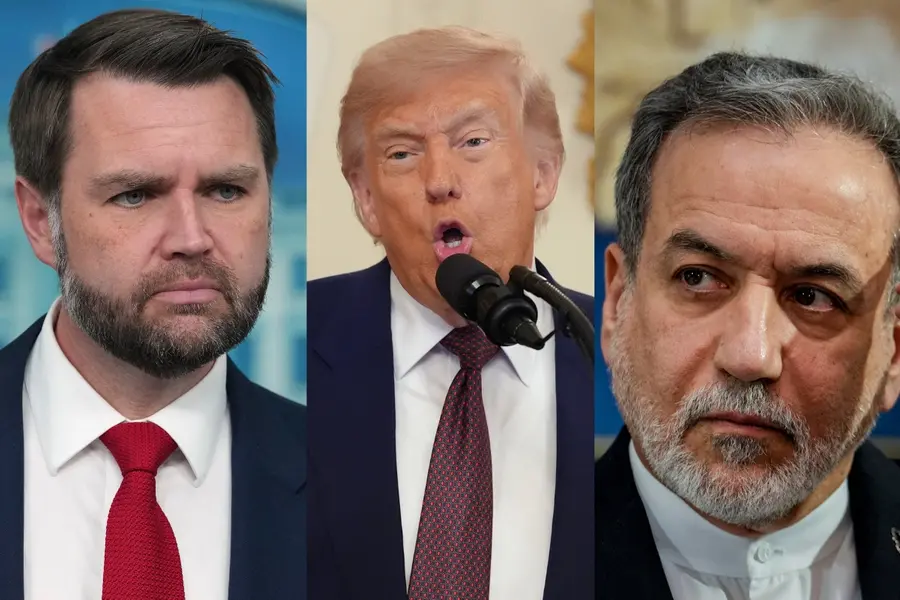
Tehran: Conflicting signals have emerged over the next phase of US-Iran negotiations, with reports suggesting that Iran has postponed its planned trip to Switzerland due to ongoing Israeli strikes in Lebanon, while the White House maintains that technical talks have simply not yet been finalised.
The developments highlight the fragile nature of the diplomatic process launched following the signing of a US-Iran memorandum of understanding.
Also Read

Reports claim Iran postponed Switzerland trip
According to reports citing sources familiar with the negotiations, Iran's delegation suspended plans to travel to Switzerland after continued Israeli military operations in southern Lebanon.
The reports claimed that Tehran had informed Washington and mediators that developments in Lebanon remained closely linked to the negotiation process. Iranian officials reportedly view continued military operations in Lebanese territory as inconsistent with the spirit of the recently signed memorandum and believe the situation could influence the future of talks.
The reported postponement came as negotiators were preparing for the first round of discussions under a proposed 60-day diplomatic framework between Washington and Tehran.
White House says talks have not been finalised
The White House, however, presented a different explanation for the delay.
A White House spokesperson stated that US Vice President JD Vance would not be departing for Switzerland because logistical and technical arrangements for the talks had not yet been completed.
The spokesperson said the US delegation remained prepared to travel at the earliest opportunity once plans were finalised.
"As the Vice President said at his press conference, the plans for the upcoming technical talks have not been finalised, and the US delegation has been prepared to depart at the first available opportunity," the spokesperson said.
The statement suggested that the delay was procedural rather than political, though uncertainty remains over when negotiations will formally begin.
JD Vance highlights economic impact of peace plan
During a press briefing, Vance argued that the agreement between Washington and Tehran was already delivering economic benefits.
He noted that 12.5 million barrels of oil had passed through the Strait of Hormuz following the signing of the memorandum, describing it as the highest volume since the conflict began.
"The president's peace plan in Iran is already bearing real fruits for the American people," Vance said.
He also pointed to declining oil and fuel prices, arguing that stability in the region was helping reduce pressure on energy markets.
According to Vance, oil prices have moved closer to pre-conflict levels while gasoline prices in the United States have continued to fall.
US rejects claims of financial concessions to Iran
Vance also pushed back against claims that Iran would receive large financial benefits under the agreement.
He stressed that the United States would not provide any direct funding to Tehran and insisted that any economic benefits would only become available if Iran fully complied with the terms of the agreement.
"Not a single penny, by the way, from the United States of America under any circumstances," Vance said.
He added that any future economic relief would depend on Iran changing its behaviour and meeting its obligations under the memorandum.
The remarks appeared aimed at addressing criticism from opponents of the deal who have argued that Tehran could receive substantial economic advantages.
Trump highlights market gains after agreement
US President Donald Trump also defended the agreement while speaking at a Medal of Honour ceremony.
Trump pointed to gains in financial markets and lower oil prices as evidence that the diplomatic initiative was producing positive results.
"The stock market just hit a new all-time high. Oil is dropping like a rock," Trump said.
The president argued that reduced tensions in the Middle East were helping boost investor confidence and ease concerns about global energy supplies.
Lebanon remains a major challenge
Despite the diplomatic breakthrough, Lebanon continues to emerge as one of the most sensitive issues facing negotiators.
Reports indicate that Tehran views developments in Lebanon as directly connected to broader regional discussions. Meanwhile, Israeli military operations have continued despite growing international calls for de-escalation.
The situation has created uncertainty over whether diplomatic momentum can be maintained if fighting persists.
With negotiations yet to formally begin and key regional disputes unresolved, the coming weeks are expected to test whether the US-Iran memorandum can evolve into a more comprehensive agreement.
Published: 19 Jun 2026, 09:13 am IST
Disclaimer: Kindly avoid objectionable, derogatory, unlawful and lewd comments, while responding to reports. Such comments are punishable under cyber laws. Please keep away from personal attacks. The opinions expressed here are the personal opinions of readers and not that of Mathrubhumi.