
A fragile US–Iran ceasefire is approaching expiry with conflicting deadlines across Tehran, Washington, and Islamabad. As diplomacy stalls and rhetoric intensifies, the world watches for signs of either renewed talks or renewed conflict.
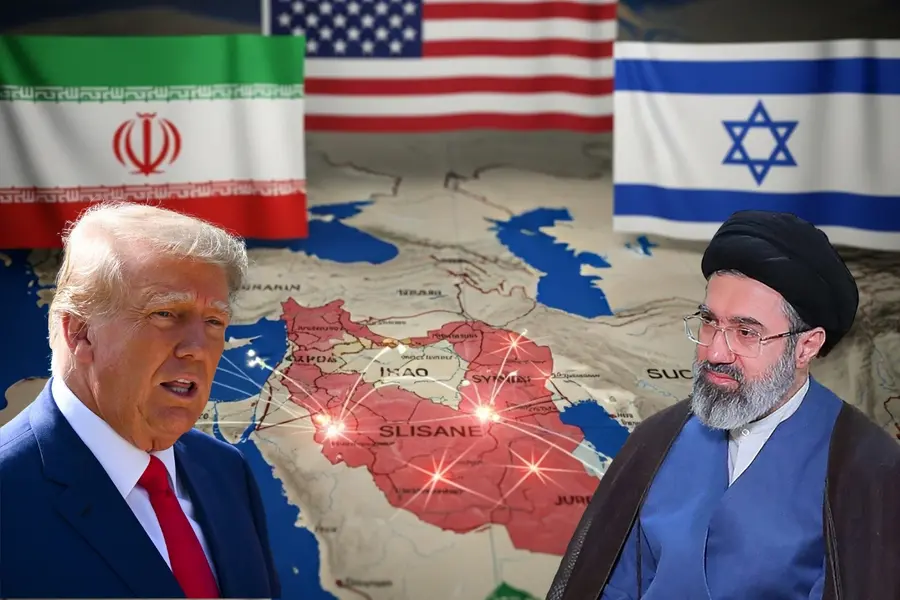
A fragile ceasefire between the United States and Iran is nearing expiration amid deep uncertainty over whether diplomatic talks will continue or fighting will resume. With conflicting timelines across Washington, Tehran, and mediators in Islamabad, the truce has entered its most critical phase since it began on April 8.
At the center of the uncertainty is whether both sides will return to negotiations or abandon diplomacy entirely as military and political pressure escalates.
Conflicting deadlines add to confusion
The timing of the ceasefire’s end has been reported differently across regions:
Iranian state TV said the truce expires at 3:30 am Wednesday, Tehran time (0000 GMT Tuesday), in line with the 14-day agreement.
Mediator Pakistan said earlier that the ceasefire ends at 2350 GMT Tuesday. Pakistan’s Information Minister Attaullah Tarar also posted on X: “Ceasefire ends at 4:50 am PST, 22 April.”
Meanwhile, US President Donald Trump suggested a slightly later end, saying it would expire on Wednesday evening Washington time.
The lack of a unified timeline has added to diplomatic confusion at a moment when tensions are already high.
Talks in limbo as key delegations remain unconfirmed
Efforts to extend the ceasefire or restart negotiations remain uncertain.
US Vice President JD Vance was expected to lead American negotiators in Pakistan, but a White House official confirmed he remained in Washington on Tuesday.
Iran has not confirmed its delegation, with officials stating there has been “no final decision” due to what it called “unacceptable actions” by the US.
Pakistani officials continue to push for talks in Islamabad but are still waiting for confirmation from Tehran.
Iranian parliament speaker Mohammad Bagher Qalibaf, reportedly linked to negotiations, has not publicly confirmed participation either.
A regional official earlier suggested both sides were preparing for a second round of talks, but those expectations now appear uncertain.
Despite mediation efforts, public messaging from both capitals remains confrontational.
US President Trump warned that “lots of bombs will start going off” if no agreement is reached. He also said Iran “had a choice” and “they have to negotiate.”
Pressure builds around Strait of Hormuz
Tensions are further amplified by developments in the Strait of Hormuz, a critical global energy route.
The US has imposed a blockade targeting Iranian-linked oil shipments, while Iran has restricted maritime activity in the region. The waterway normally carries around 20% of global oil and gas trade, making it central to global energy stability.
Oil markets have reacted sharply, with Brent crude rising to nearly $95 per barrel, up more than 30% since late February.
With AP inputs
Published: 21 Apr 2026, 11:51 pm IST
Related Topics
Disclaimer: Kindly avoid objectionable, derogatory, unlawful and lewd comments, while responding to reports. Such comments are punishable under cyber laws. Please keep away from personal attacks. The opinions expressed here are the personal opinions of readers and not that of Mathrubhumi.
