
China has confirmed a state visit by US President Donald Trump to Beijing from 13 to 15 May, where he will meet President Xi Jinping for high-stakes talks covering Taiwan, trade tensions, rare earth exports, artificial intelligence and global security concerns.
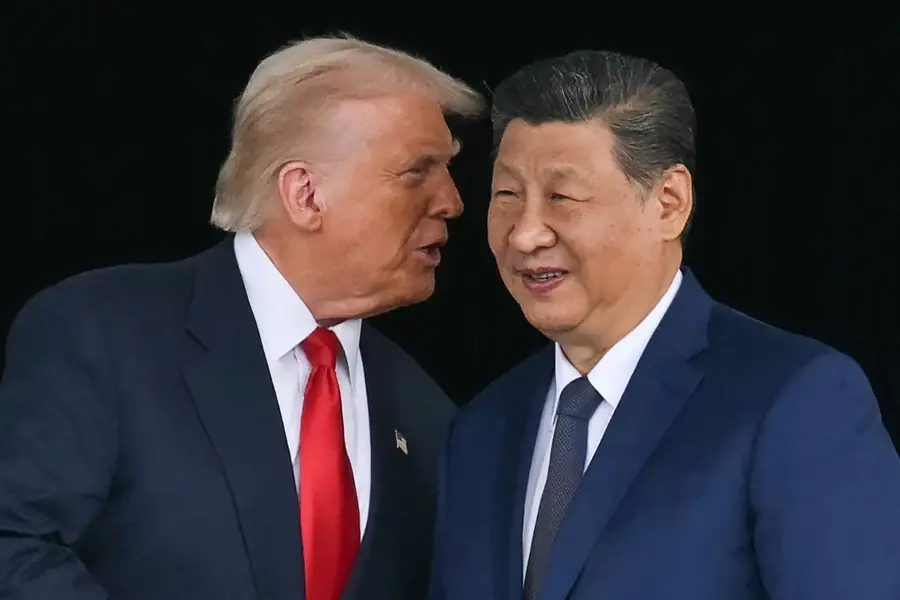
Beijing: China’s state-run Xinhua news agencY has confirmed that US President Donald Trump will visit Beijing from 13 to 15 May for a formal state visit, with a key summit scheduled with Chinese President Xi Jinping.
The meeting comes at a sensitive moment for global geopolitics, with ongoing disputes over trade policy, technology restrictions, rare earth mineral supply chains, and rising military tensions in multiple regions.
Analysts say the summit could significantly influence global markets, supply chains and diplomatic alignments depending on the outcomes.
Taiwan crisis expected to dominate discussions
One of the most critical topics on the agenda is Taiwan, which both Washington and Beijing have described as a major risk point in bilateral relations.
China continues to view Taiwan as part of its territory, while the United States maintains informal defence ties with the island, which operates as a self-governed democracy.
Chinese Foreign Minister Wang Yi has previously warned US officials that Taiwan remains “the biggest point of risk” in the relationship, urging Washington to avoid actions that could destabilise the region.
Experts warn that even subtle shifts in US rhetoric could have major geopolitical consequences.
Trade tensions and rare earth controls under focus
Trade relations remain strained, with both sides having imposed restrictions on technology exports and critical materials.
China’s recent controls on rare earth exports and related industrial materials have already disrupted global supply chains, particularly in sectors such as automotive manufacturing and electronics.
The United States has also accused China of aggressive industrial strategies, including alleged attempts to acquire sensitive artificial intelligence technologies.
According to analysts, any breakthrough or escalation in trade discussions could reshape global manufacturing and investment flows.
Artificial intelligence is expected to be another key focus of the summit, as both countries compete for dominance in advanced technologies.
Washington has raised concerns over China’s access to US-developed AI systems and semiconductor technologies, while Beijing has pushed back against sanctions and export restrictions.
The outcome of these discussions could influence global tech regulation and innovation competition in the coming years.
China’s dominance in rare earth production remains a central strategic issue.
Beijing’s export restrictions have already affected supply chains in Europe, Japan and South Korea, particularly in industries dependent on high-performance magnets and electronic components.
Economists warn that any further tightening or easing of restrictions could directly impact global industrial production and pricing stability.
The summit is also expected to touch on broader geopolitical issues, including global energy security and ongoing conflicts such as the Iran war, which has already triggered volatility in global oil markets.
Some analysts suggest that coordination between Washington and Beijing on strategic resources could temporarily ease supply pressures, although long-term competition is expected to continue.
Global reaction and high stakes for other powers
The meeting is being closely watched by major global powers including Japan, European Union members and Russia.
Experts suggest that any improvement in US-China relations could shift global trade patterns, potentially affecting third-country economies reliant on manufacturing relocation trends.
Russia is also expected to monitor the talks closely, given its strategic partnership with China and the wider geopolitical implications of any US-China realignment.
The Trump-Xi summit is being described by analysts as one of the most consequential diplomatic engagements in recent years due to its wide-ranging agenda and global impact.
With tensions spanning trade, technology, territorial disputes and energy security, the outcome of the Beijing talks could influence international relations well beyond the two countries involved.
(With AFP inputs)
Published: 11 May 2026, 07:34 am IST
Related Topics
Disclaimer: Kindly avoid objectionable, derogatory, unlawful and lewd comments, while responding to reports. Such comments are punishable under cyber laws. Please keep away from personal attacks. The opinions expressed here are the personal opinions of readers and not that of Mathrubhumi.
