
China’s exports grew far beyond expectations in April 2026, with shipments to the United States rising sharply despite ongoing trade tensions, global shipping disruptions and economic uncertainty linked to conflicts in the Middle East.
Beijing: China’s export sector recorded stronger-than-expected growth in April, highlighting the resilience of the world’s second-largest economy despite continued geopolitical tensions and rising global trade costs.
According to data released by China’s General Administration of Customs (GAC), exports rose 14.1 per cent year-on-year in April, significantly higher than economist forecasts of around 8.4 per cent.
Also Read

The total value of outbound shipments reached approximately US$359.44 billion during the month, marking one of China’s strongest monthly export performances in recent years.
Imports also recorded major growth, increasing by 25.3 per cent year-on-year to US$274.62 billion, reflecting improving domestic demand and increased purchases of industrial materials, energy supplies and manufacturing components.
China’s trade surplus for April stood at roughly US$84.82 billion, up sharply from US$51.1 billion recorded in March.
Exports to US rise despite trade tensions
One of the biggest surprises in the latest trade data was the rise in exports to the United States despite tariff pressures and ongoing trade disputes.
Chinese exports to the US rose 11.3 per cent year-on-year in April, reaching US$36.8 billion compared to US$33 billion during the same period last year.
The increase comes even after tariffs introduced during Donald Trump’s trade measures against China, which continue to affect several sectors including technology, manufacturing and industrial goods.
Analysts say many exporters may have accelerated shipments ahead of possible new tariff changes and policy negotiations expected later this year.
Trump-Xi meeting draws global attention
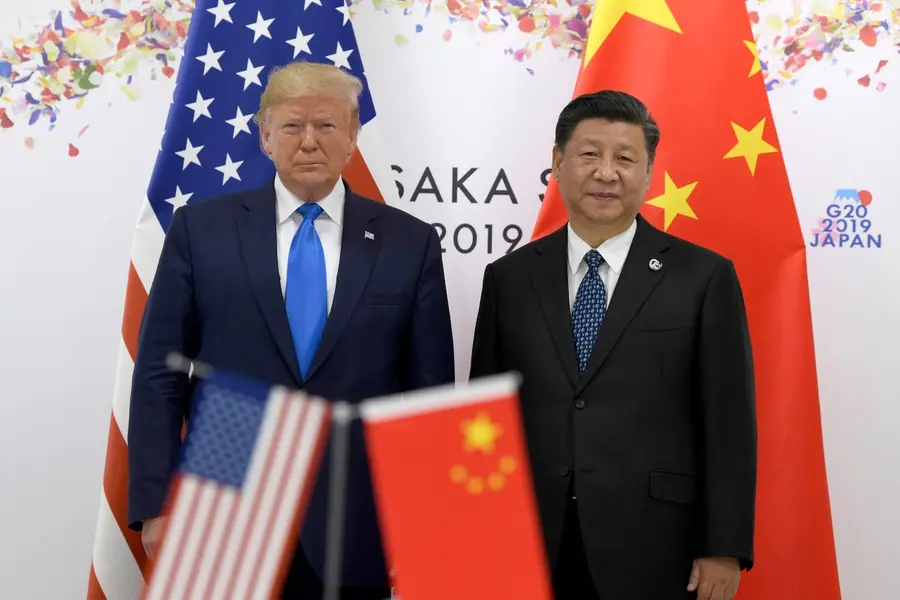
The latest trade figures come just days before US President Donald Trump is expected to travel to China for talks with Chinese President Xi Jinping.
The upcoming meeting is being closely watched by global markets as both countries continue discussions on trade tariffs, technology restrictions, supply chain cooperation and broader economic relations.
Relations between Washington and Beijing have remained tense over the past several years due to disputes involving tariffs, semiconductor restrictions, Taiwan, artificial intelligence and global influence.
Hormuz crisis adds pressure to global trade
China’s strong export performance also came during continued instability around the Strait of Hormuz, one of the world’s most important shipping and energy routes.
The ongoing Middle East tensions have increased shipping costs, insurance premiums and fuel prices for international cargo movement. Economists had expected these disruptions to slow export growth across Asia, but China’s manufacturing sector managed to maintain high shipment volumes despite the challenges.
Experts say China’s large-scale industrial capacity, diversified export markets and strong electronics and machinery demand helped offset rising logistical pressures.
Manufacturing remains key growth driver
China continues to depend heavily on manufacturing exports as a major engine of economic growth. Sectors such as electronics, machinery, electric vehicles, batteries, solar equipment and consumer goods have remained strong contributors to export earnings.
Recent stimulus measures introduced by Beijing, including industrial support programmes and infrastructure spending, have also helped stabilise economic activity following earlier slowdowns in the property and technology sectors.
Global markets watching next steps
The stronger-than-expected trade data may provide short-term relief for Chinese policymakers as the country faces slowing domestic consumption, real estate pressures and uncertain global demand.
However, economists caution that future export growth could still face risks from geopolitical tensions, potential tariff escalations and instability in energy markets.
Investors and global businesses are now closely watching the upcoming Trump-Xi discussions, which could influence the direction of international trade and economic relations between the world’s two largest economies in the months ahead.
(Without AFP inputs)
Published: 09 May 2026, 09:17 am IST
Related Topics
Disclaimer: Kindly avoid objectionable, derogatory, unlawful and lewd comments, while responding to reports. Such comments are punishable under cyber laws. Please keep away from personal attacks. The opinions expressed here are the personal opinions of readers and not that of Mathrubhumi.