
Pakistan’s brief moment in the diplomatic spotlight over the Iran-US talks appears to have faded after US President Donald Trump finalised an interim peace deal without Islamabad’s involvement, while simultaneously praising Prime Minister Narendra Modi and India’s growing global role.
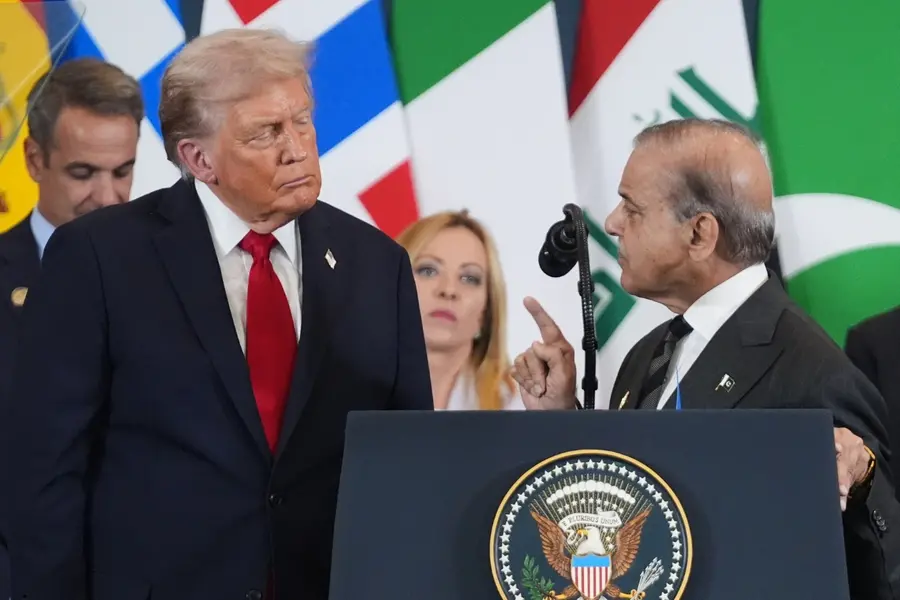
Islamabad: Pakistan’s hopes of gaining diplomatic credit for facilitating talks in the Iran-US-Israel conflict appeared to fade after US President Donald Trump signed an interim peace agreement without involving Islamabad in the final process.
Pakistan had initially appeared to gain prominence after hosting preliminary discussions linked to efforts aimed at reducing tensions between Iran, Israel and the United States. The development was seen by many observers as a diplomatic boost for Islamabad, with Pakistan positioning itself as a potential mediator in a major international crisis.
Also Read

However, that perception changed dramatically after US President Donald Trump announced and signed an interim peace agreement directly with Iranian leadership, leaving Pakistan outside the final stage of the process.
Trump signs deal away from Pakistan spotlight
According to reports, the agreement was finalised during a high-profile event in Versailles, France. The signing shifted attention away from Pakistan's earlier role and towards the direct engagement between Washington and Tehran.
The development reportedly left Pakistani leaders, including Prime Minister Shehbaz Sharif, with limited involvement in the final diplomatic outcome despite expectations that Islamabad could receive greater international recognition for its earlier efforts.
ALSO READ | Vance's warning to Netanyahu: ‘America's patience with Israel wearing thin’
India receives praise amid shifting diplomatic optics
The same developments also brought renewed focus on India-US relations. During interactions on the sidelines of international meetings, President Trump publicly praised Prime Minister Narendra Modi and described India as an important global player.
Trump's remarks were widely discussed because they came at a time when sections of political observers had been debating whether Pakistan's role in the Iran-related negotiations had strengthened its standing with Washington.
While India has generally maintained a cautious approach to Trump's public statements, the comments reinforced perceptions of continuing strategic engagement between New Delhi and Washington.
India’s balancing act on the Iran issue
India has consistently advocated stability in West Asia, while also emphasising energy security and freedom of navigation through key shipping routes such as the Strait of Hormuz.
The country maintains important relationships with both the United States and regional powers in the Middle East, making diplomatic balance a crucial part of its foreign policy approach.
Officials have repeatedly stressed the importance of dialogue and de-escalation in regional conflicts that could affect global energy markets and trade.
Lessons from unpredictable diplomacy
The developments surrounding the interim peace agreement highlight the unpredictable nature of international diplomacy, particularly when major powers are involved.
While Pakistan's role in facilitating initial contacts attracted attention, the final agreement demonstrated how diplomatic processes can quickly evolve beyond the expectations of intermediary states.
For India, the episode underscored the importance of maintaining long-term strategic relationships while avoiding overreliance on public diplomatic gestures.
What happens next?
Attention will now shift to the implementation of the interim agreement and whether it can contribute to lasting stability in the region.
For Pakistan, the episode raises questions about how much influence intermediary countries ultimately retain once major powers take direct control of negotiations.
For India, the focus remains on protecting strategic interests, maintaining regional stability and strengthening ties with key global partners as geopolitical dynamics continue to evolve.
Published: 19 Jun 2026, 02:10 pm IST
Disclaimer: Kindly avoid objectionable, derogatory, unlawful and lewd comments, while responding to reports. Such comments are punishable under cyber laws. Please keep away from personal attacks. The opinions expressed here are the personal opinions of readers and not that of Mathrubhumi.