
The strait, a critical global oil transit route through which about a fifth of the world’s supply passes, has become a focal point of the crisis.
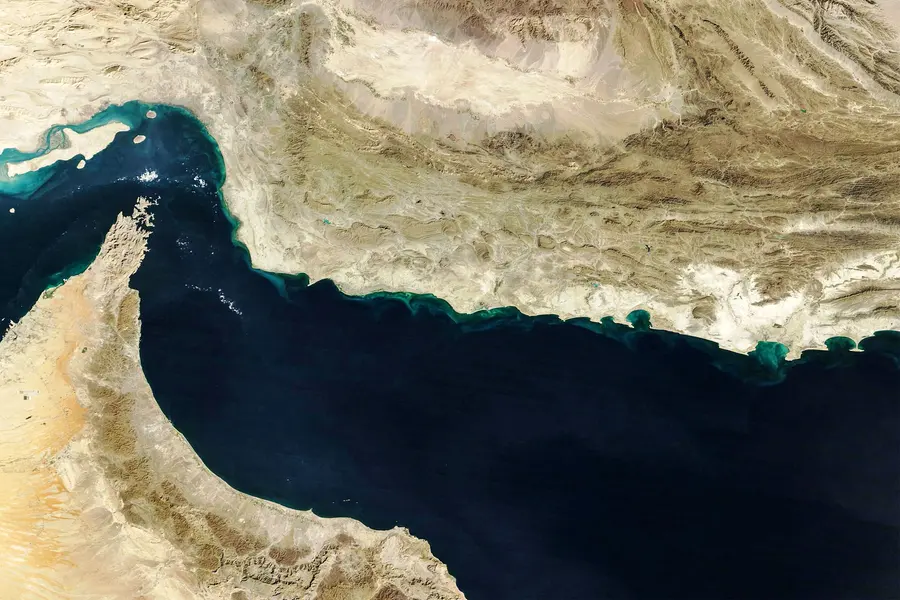
Tehran: Iran’s Revolutionary Guards on Thursday said they had turned back three ships attempting to transit the Strait of Hormuz as tensions in the region continue to escalate.
The Guards declared that the route was effectively closed to vessels linked to its adversaries. “The movement of any vessel ‘to and from’ ports of origin belonging to allies and supporters of the Zionist-American enemies, to any destination and through any corridor, is prohibited,” they said.
They also issued a warning to civilians across the Middle East, urging them to avoid areas near US forces.
The development comes amid a sharp escalation in hostilities, with Israel launching a new wave of strikes on Iran and warning that its military campaign would intensify. Israel’s Defence Minister Israel Katz said Iran “will pay heavy, increasing prices for this war crime.”
“Despite the warnings, the firing continues,” Katz said. “And therefore attacks in Iran will escalate and expand to additional targets and areas that assist the regime in building and operating weapons against Israeli citizens.”
Meanwhile, US President Donald Trump claimed that talks to end the conflict were progressing and gave Tehran more time to reopen the Strait of Hormuz, though there have been no signs of Iran backing down.
The strait, a critical global oil transit route through which about a fifth of the world’s supply passes, has become a focal point of the crisis. With markets under pressure and fears of wider economic fallout growing, the United States has reportedly presented Iran with a 15-point ceasefire proposal that includes relinquishing control of the waterway.
At the same time, Washington has ordered additional troops to the region, raising the possibility of military action to regain access to the strait if diplomatic efforts fail. Trump, who had earlier set a deadline for Iran to reopen the route, extended it to April 6, saying negotiations were going “very well.” Iran, however, maintains it is not engaged in any talks.
On the ground, hostilities showed no signs of easing. Air raid sirens sounded across Israel as its military intercepted incoming Iranian missiles, part of a daily pattern of exchanges. Israel said its latest strikes targeted sites “in the heart of Tehran” used for producing ballistic missiles and other weapons, along with launchers and storage facilities in western Iran.
The conflict has also spilled into neighboring countries. Smoke was seen rising over Beirut following a pre-dawn strike, with Lebanon’s Health Ministry reporting two fatalities. Iran, meanwhile, continued firing missiles and drones toward Gulf Arab nations, triggering sirens in Bahrain, Qatar, and the United Arab Emirates.
Published: 27 Mar 2026, 05:06 pm IST
Related Topics
Disclaimer: Kindly avoid objectionable, derogatory, unlawful and lewd comments, while responding to reports. Such comments are punishable under cyber laws. Please keep away from personal attacks. The opinions expressed here are the personal opinions of readers and not that of Mathrubhumi.
