
Donald Trump extends deadline for US strikes on Iranian energy sites to April 6, 2026. Read the latest on diplomatic negotiations and regional conflict updates.
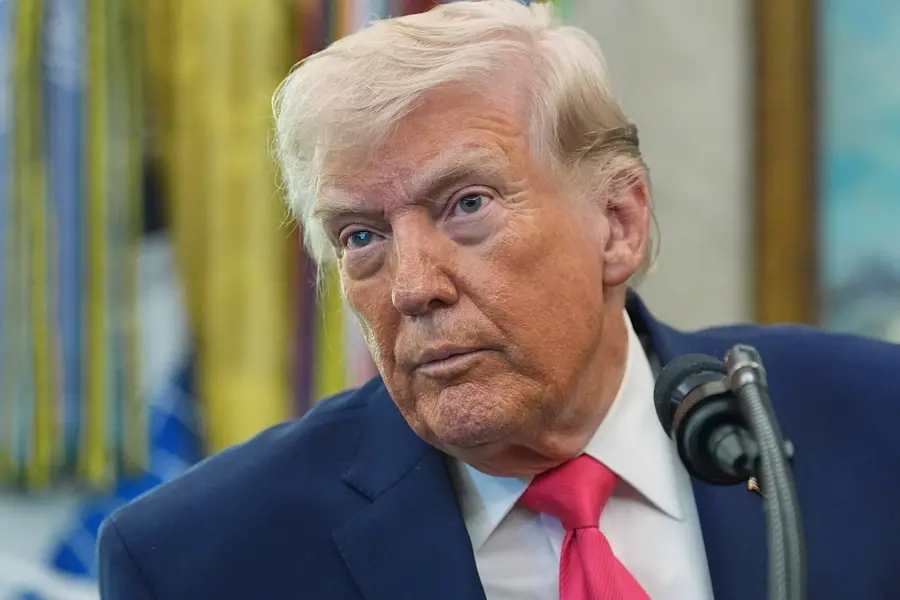
Donald Trump has postponed a key deadline for potential US strikes on Iran’s energy infrastructure, extending it to April 6, 2026, amid ongoing diplomatic efforts to ease the escalating conflict in West Asia.
The US president said the decision followed a request from Tehran and signalled that negotiations to end the war were making progress.
“Talks are ongoing and… they are going very well,” Trump said in a post on Truth Social, pushing back against reports suggesting otherwise.
Trump had earlier warned Iran to reopen the Strait of Hormuz, a critical global oil route, within 48 hours or face attacks on its energy facilities. However, the deadline has now been extended twice.
“As per Iranian Government request… I am pausing the period of Energy Plant destruction by 10 days to Monday, April 6, 2026,” Trump said.
The move comes as Washington signals openness to negotiations, even as military tensions remain high.
US envoy Steve Witkoff indicated that there are encouraging signs from Tehran.
He revealed that the United States has shared a 15-point proposal with Iran through intermediaries, aimed at de-escalating the conflict.
“We will see where things lead, and if we can convince Iran that this is the inflection point with no good alternatives for them, other than more death and destruction,” Witkoff said.
Trump also claimed that Iran had allowed 10 oil tankers to pass through the Strait of Hormuz, calling it a sign that Tehran is serious about negotiations.
Iran responds with conditions
Iranian media reported that Tehran has responded to the US proposal, laying out its own conditions. These reportedly include:
- Ending US and Israeli strikes on Iran
- Halting attacks on Iran-backed groups such as Hezbollah
- Payment of war reparations
- Recognition of Iran’s control over the Strait of Hormuz
These demands indicate that significant gaps remain between both sides.
Conflict enters fourth week
The war, which began on February 28 following US and Israeli strikes on Iranian targets, has now entered its fourth week.
Iran has retaliated with missile and drone attacks across the Gulf region, targeting US assets. The situation has effectively disrupted traffic through the Strait of Hormuz, a key artery for global oil supply.
The conflict has already:
- Sent global oil prices higher
- Disrupted shipping routes
- Increased geopolitical tensions across West Asia
Despite diplomatic efforts, military operations continue.
Israel said it carried out fresh strikes in Iran, reportedly killing senior Revolutionary Guard officials, including naval commander Alireza Tangsiri. Explosions were reported in multiple cities, including Tehran, Isfahan, and Shiraz.
Strikes have also expanded to new regions, with attacks reported in eastern Iranian cities.
In Lebanon, Israeli strikes targeted areas in Beirut’s southern suburbs, a stronghold of Hezbollah. Meanwhile, tensions along Israel’s northern border continue to rise.
Regional impact and rising concerns
The conflict has had spillover effects across the Gulf:
- Drone attacks reported in Saudi Arabia and Kuwait
- Missile debris incident in the UAE, resulting in casualties
- Heightened security alerts across multiple countries
Uncertain path ahead
While both sides signal openness to talks, the situation remains volatile. Trump has alternated between threatening strong military action and expressing confidence in a possible deal.
“They want to make a deal,” Trump said, suggesting Iran may be under pressure.
However, with continued strikes and wide-ranging demands from both sides, it remains unclear whether diplomacy can quickly bring an end to the conflict.
Published: 27 Mar 2026, 07:41 am IST
Related Topics
Disclaimer: Kindly avoid objectionable, derogatory, unlawful and lewd comments, while responding to reports. Such comments are punishable under cyber laws. Please keep away from personal attacks. The opinions expressed here are the personal opinions of readers and not that of Mathrubhumi.
