
Russia’s new tax reforms, including VAT hikes, are squeezing small and medium businesses, reducing profitability and risking closures
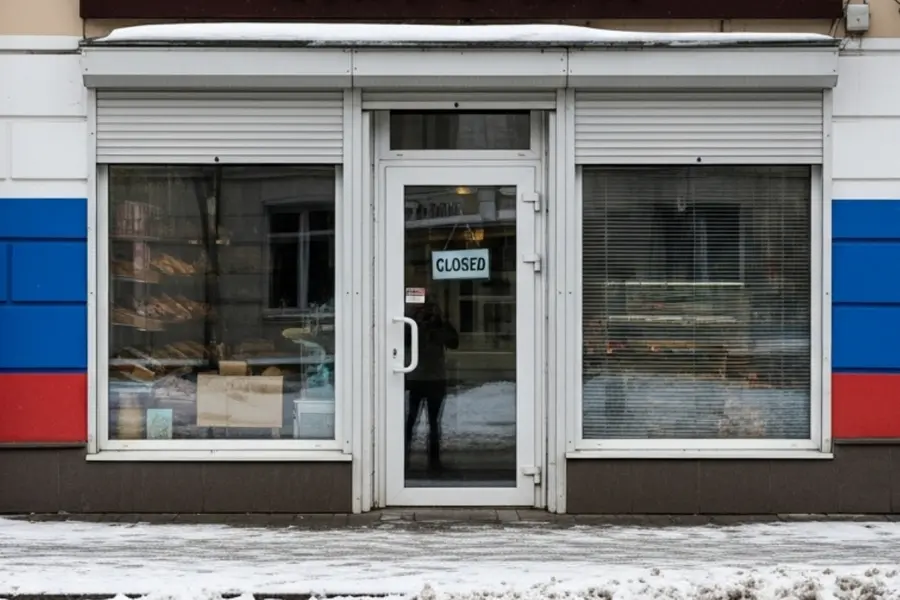
Moscow: Small and medium businesses in Russia are facing increasing financial pressure after the government introduced new tax reforms to support wartime spending amid the ongoing conflict related to the Russia–Ukraine war.
The policy includes raising the value-added tax (VAT) by about 2% and lowering revenue thresholds that determine which businesses must pay VAT. Small businesses that previously operated under simplified tax systems are now being required to contribute higher tax payments.
Also Read

Business owners across cities such as Moscow and Saint Petersburg say the reform has reduced profitability. Many report rising operational costs including rent, security, supplies, and banking services.
Bakery and beauty service owners have been particularly affected. Some entrepreneurs say customer demand has fallen, while advertising opportunities have been limited due to restrictions on certain social media platforms in Russia.
One bakery owner, who appeared on a televised call-in programme with Russian President Vladimir Putin, appealed for review of the tax policy, warning that many small businesses could be forced to close. The government later discussed possible targeted relief measures for his business.
However, the overall tax reform remains in place. Authorities say the policy is designed to create more stable state revenue at a time when oil income has declined and military expenditure has increased.
According to business association representatives, around 10% of beauty industry businesses in Saint Petersburg have already closed, while another 10% have sold their operations. Industry leaders expect more closures as new tax deadlines approach.
Experts say small and medium enterprises contribute more than 20% of Russia’s economic activity, but policy priorities have shifted toward large industries and state fiscal stability during wartime.
Analysts note that the long-term impact of the reform may not immediately collapse the economy but could slow private sector growth, particularly after the war ends.
The tax policy changes were introduced after years of economic pressure on Russia, including international sanctions imposed following geopolitical conflicts. Business owners say uncertainty, rising costs and weaker consumer demand remain major challenges.
The government has defended the reform as necessary to control illegal imports and maintain fiscal stability amid reduced energy revenue.
Economic observers warn that continued pressure on small enterprises could reduce innovation and entrepreneurship in the private sector.
While some targeted relief measures have been proposed, many business owners are still waiting for clearer implementation details.
Overall, the reform reflects Russia’s shift toward strengthening state revenue during wartime, even as small businesses face growing operational risks and financial stress.
Published: 23 Feb 2026, 01:19 pm IST
Related Topics
Disclaimer: Kindly avoid objectionable, derogatory, unlawful and lewd comments, while responding to reports. Such comments are punishable under cyber laws. Please keep away from personal attacks. The opinions expressed here are the personal opinions of readers and not that of Mathrubhumi.