
US President Donald Trump has insisted that “nothing changes” for the India-US trade deal despite the US Supreme Court striking down his sweeping emergency tariffs
Washington DC: The US Supreme Court ruled 6–3 that President Donald Trump exceeded his authority by imposing broad global tariffs under the International Emergency Economic Powers Act (IEEPA) of 1977. The court held that the law does not grant the president unilateral power to levy such duties, a power constitutionally vested in Congress.
The ruling potentially invalidates billions of dollars in tariffs collected since January 2025 and may trigger refund litigation in lower courts.
Also Read

Trump’s response on India
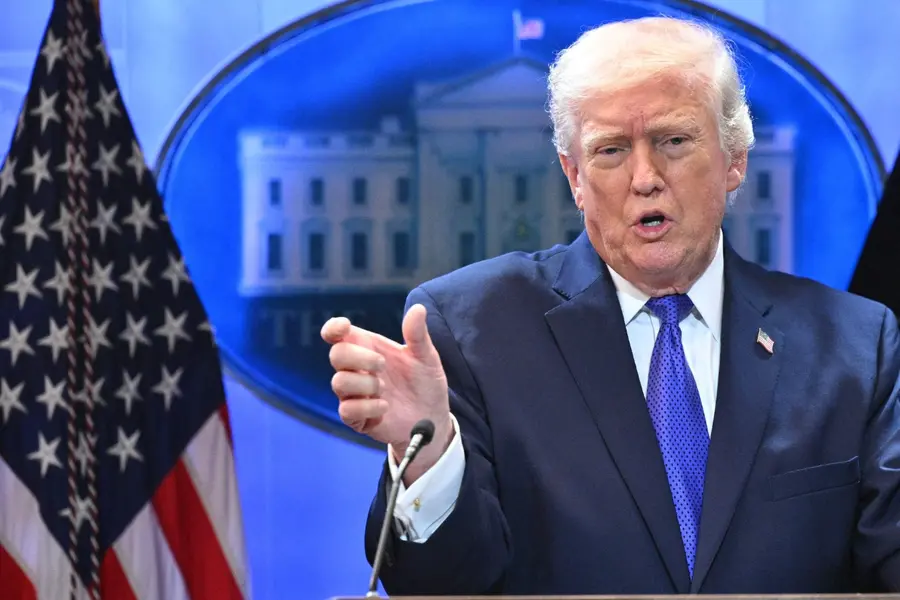
Speaking at the White House, Trump said the India-US trade arrangement would remain intact. “The India deal is on… Nothing changes,” he said, adding that India would continue to pay tariffs while the US would not.
Trump also reiterated that his relationship with Prime Minister Narendra Modi is “fantastic” and repeated his claim that he used tariffs to prevent escalation between India and Pakistan last year.
Following the court setback, Trump announced a 10 per cent global tariff under Section 122 of the Trade Act of 1974, which allows temporary import surcharges for up to 150 days to address balance-of-payments concerns.
Tariffs under Section 232 (national security) and Section 301 (unfair trade practices) remain in force. However, experts note that sustaining higher tariff rates under Section 301 would require formal investigations and legal findings.
A White House official confirmed that the 10 per cent tariff would apply “until another authority is invoked.”
India-US trade framework
Earlier this month, Washington and New Delhi announced a framework for an interim trade agreement. Under it, punitive tariffs of 25 per cent were removed and reciprocal duties were reduced to 18 per cent.
Trump claimed India committed to reducing energy imports from Russia and increasing purchases of American energy products.
Leaders of the Indian National Congress criticised the Modi government, alleging that India rushed into a “one-sided” agreement.
Congress spokesperson Pawan Khera questioned the timing of diplomatic engagement with Washington, while senior leader Randeep Surjewala raised concerns about whether new US tariff mechanisms are legally sustainable or applicable to India.
The Supreme Court’s decision marks a significant judicial check on presidential trade powers in the US. While Trump has pivoted to alternative legal routes to maintain tariffs, the long-term sustainability of these measures may face further scrutiny.
For India, the development introduces legal uncertainty around tariff structures even as both governments maintain that the trade framework remains operational.
Published: 21 Feb 2026, 08:59 am IST
Related Topics
Disclaimer: Kindly avoid objectionable, derogatory, unlawful and lewd comments, while responding to reports. Such comments are punishable under cyber laws. Please keep away from personal attacks. The opinions expressed here are the personal opinions of readers and not that of Mathrubhumi.