
Four decades after the Chernobyl disaster, experts warn that ongoing military actions around nuclear sites in Ukraine are raising serious global safety concerns.
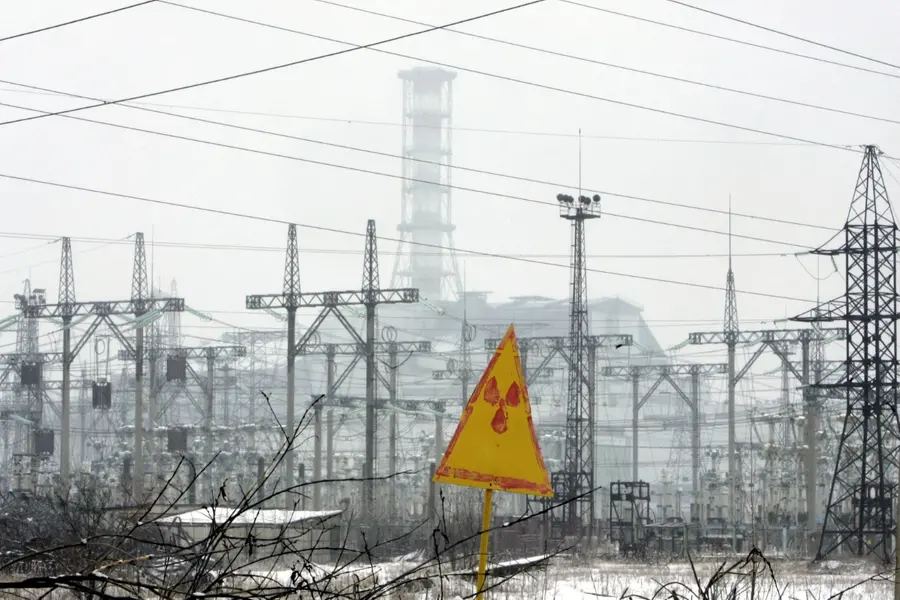
Forty years after the Chernobyl disaster, nuclear experts are warning that current military activity in Ukraine could trigger another major catastrophe. Concerns centre around repeated strikes and military presence near critical nuclear infrastructure.
Ukrainian nuclear expert Volodymyr Kholosha, who witnessed the aftermath of the 1986 disaster, said to The Independent recent developments suggest that key lessons from Chernobyl have not been fully learned. He warned that continued attacks near nuclear sites pose risks not just to Ukraine but to regional and global security.
Also Read

Zaporizhzhia at the centre of concern
The Zaporizhzhia Nuclear Power Plant, the largest nuclear facility in Europe, remains a major focus of concern. The plant has been under Russian control since 2022 and is located near active conflict zones.
Despite all six reactors currently being shut down, experts stress that the plant still requires constant power and maintenance to ensure safety. The site has experienced multiple blackouts since the conflict began, raising fears of cooling system failures and potential radiation risks.
Reports also indicate reduced staffing levels, limited maintenance, and possible mining of the site with explosives. These factors increase the likelihood of infrastructure failure or accidental damage that could lead to radioactive release.
Strikes near Chernobyl raise alarm
Recent drone and missile activity near the Chernobyl Nuclear Power Plant has further heightened concerns. In one reported incident, a drone strike damaged part of the protective outer structure covering the destroyed reactor.
Such actions risk compromising containment systems designed to prevent the release of radioactive materials. Experts warn that even limited damage could have long-term environmental and health consequences.
Global experts warn of “new nuclear age”
Alexandra Bell, president of the Bulletin of the Atomic Scientists, criticised global leadership for failing to adequately address rising nuclear risks.
She warned that the world is entering a “new nuclear age,” characterised by reduced urgency in tackling threats related to nuclear weapons and infrastructure. The organisation’s Doomsday Clock was set to 85 seconds to midnight in 2026, the closest it has ever been to signalling global catastrophe.
Experts argue that the lack of sustained international dialogue and cooperation has increased the risk of both intentional and accidental nuclear incidents.
Analysts caution that any major incident at Zaporizhzhia or Chernobyl could have far-reaching consequences beyond Ukraine’s borders. Radiation release could affect neighbouring countries and disrupt global environmental and economic systems.
Experts and international organisations continue to call for stronger safeguards, reduced military activity around nuclear sites, and renewed diplomatic efforts to minimise risks.
Published: 25 Apr 2026, 02:50 pm IST
Disclaimer: Kindly avoid objectionable, derogatory, unlawful and lewd comments, while responding to reports. Such comments are punishable under cyber laws. Please keep away from personal attacks. The opinions expressed here are the personal opinions of readers and not that of Mathrubhumi.