
Iodine-129 is a long-lived radionuclide produced by human nuclear activities, including weapons testing, nuclear fuel reprocessing and reactor accidents.
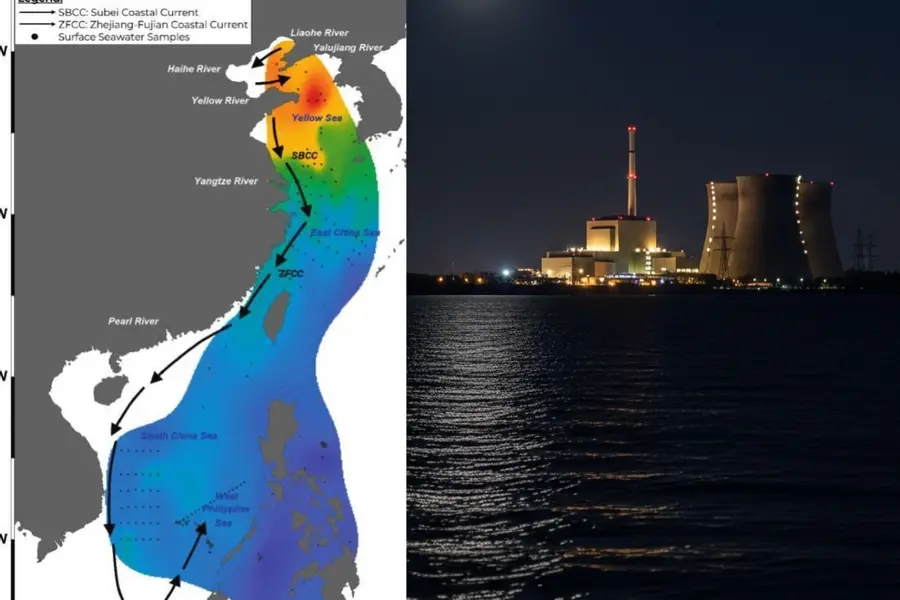
Manila: Elevated levels of iodine-129, a radioactive isotope widely used as a marker of nuclear activity, have been detected in seawater samples from the West Philippine Sea (WPS), according to researchers from the University of the Philippines Marine Science Institute (UP MSI).
The institute said iodine-129 concentrations in the WPS were higher than in any other sampled Philippine waters, despite the country having no nuclear power plants or nuclear weapons program.
Also read: 'Radioactive' mystery shrouds Pakistan's Kirana Hills
Iodine-129 is a long-lived radionuclide produced by human nuclear activities, including weapons testing, nuclear fuel reprocessing and reactor accidents. Scientists consider it a key environmental tracer and an indicator of nuclear-era pollution.
The findings are based on laboratory analysis of 119 seawater samples collected from the West Philippine Sea, Philippine Rise, Sulu Sea and other parts of the Philippine archipelago by experts from the Department of Science and Technology–Philippine Nuclear Research Institute, UP MSI’s Geological Oceanography Laboratory and the University of Tokyo.
Researchers found iodine-129 levels in the WPS to be 1.5 to 1.7 times higher than those recorded in other Philippine waters.
Also read: Are secret nuclear tunnels being built in Pakistan’s Sindh? Rights groups seek UN intervention
In their study, scientists pointed to possible foreign sources of the radioactive isotope, stating, “We propose that this enrichment comes from the Bohai and Yellow Seas, where 129I likely originates from nuclear fuel reprocessing, past nuclear weapons tests at Lop Nor and Semipalatinsk, and the Chernobyl accident.”
UP MSI said the findings are consistent with recent Chinese research linking iodine-129 detected in the Yellow Sea to historic nuclear weapons testing and nuclear fuel reprocessing facilities, which released the isotope into soils and rivers in northeastern China.
The team believes iodine-129 may have reached Philippine waters through ocean circulation systems such as the Yellow Sea Coastal Current and the Chinese Coastal Current, though further oceanographic modelling is needed to confirm transport pathways.
While iodine-129 is radioactive, researchers stressed that current levels detected in the West Philippine Sea pose no threat to human health or the environment. However, they underscored the importance of strengthening international monitoring and regulation of radioactive materials that can cross national borders through air and ocean currents.
Published: 18 Jan 2026, 08:33 pm IST
Related Topics
Disclaimer: Kindly avoid objectionable, derogatory, unlawful and lewd comments, while responding to reports. Such comments are punishable under cyber laws. Please keep away from personal attacks. The opinions expressed here are the personal opinions of readers and not that of Mathrubhumi.
