
Pakistan’s defence minister Khawaja Asif has warned that Islamabad cannot rule out an “all-out war” with India, intensifying already heightened tensions
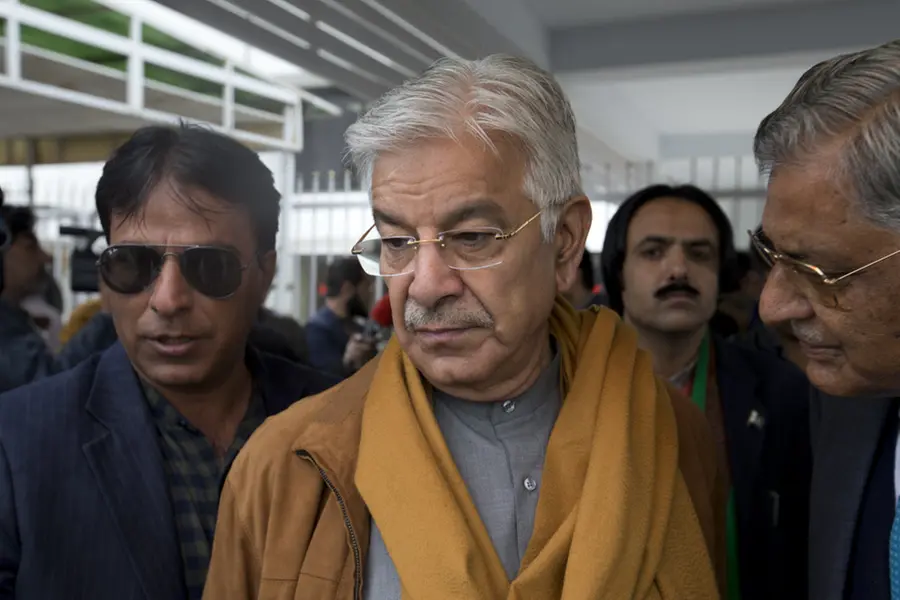
Islamabad: Pakistan’s defence minister Khawaja Asif has warned that Islamabad must remain on “full alert” and cannot discount the possibility of an “all-out war” with India. Speaking in an interview with a news chanel, Asif said Pakistan neither ignores nor trusts India “under any circumstances” and suggested that New Delhi could pursue hostile actions, including border incursions or attacks linked to Afghan territory.
His comments follow a sharp exchange of statements between the two countries amid a string of violent incidents this year. On 10 November, a car explosion in New Delhi killed 15 people, marking the second major attack in India after the earlier Pahalgam strike. Asif had already signalled a more assertive stance this month, claiming Pakistan was prepared to manage simultaneous threats on its eastern and western borders. He said Pakistan was ready for “round two” if conflict escalated.
Also Read

The warning comes just days after India’s Chief of Army Staff, General Upendra Dwivedi, described May’s Operation Sindoor confrontation as an “88-hour trailer”, adding that the armed forces were prepared to respond decisively if provoked. He said India would “educate” Pakistan on responsible behaviour should tensions rise again.
Asif’s remarks also reflect deteriorating relations between Pakistan and Afghanistan. In October, heavy clashes erupted between Pakistani forces and the Taliban, resulting in significant casualties. A ceasefire was later brokered through Turkey and Qatar on 19 October. Pakistan has accused militants operating from Afghan territory of carrying out cross-border attacks, prompting Islamabad to launch airstrikes that were met with retaliation. The Taliban denied Pakistan’s claims, stating that Afghan soil was not being used for attacks and that it does not interfere in the affairs of other states.
Amid this backdrop, Asif accused India of influencing Taliban decisions and fuelling friction between Islamabad and Kabul. In comments to Geo News last month, he claimed that “Delhi” was steering Afghan actions and that Kabul was effectively engaged in a “proxy war” on India’s behalf. He also questioned whether the ceasefire would hold.
The escalation in rhetoric has raised concerns of a wider regional flashpoint as both countries trade allegations and refer to heightened military preparedness. Indian authorities have categorically rejected Pakistan’s allegations of “Indian-sponsored proxies” behind attacks. Analysts say the situation remains volatile, with both India and Pakistan issuing increasingly pointed warnings over potential military action.
Published: 19 Nov 2025, 08:53 pm IST
Disclaimer: Kindly avoid objectionable, derogatory, unlawful and lewd comments, while responding to reports. Such comments are punishable under cyber laws. Please keep away from personal attacks. The opinions expressed here are the personal opinions of readers and not that of Mathrubhumi.