
Pakistan's covert ISI unit 'S1' has allegedly trained terrorists targeting India for over 25 years, a national news channel reports.
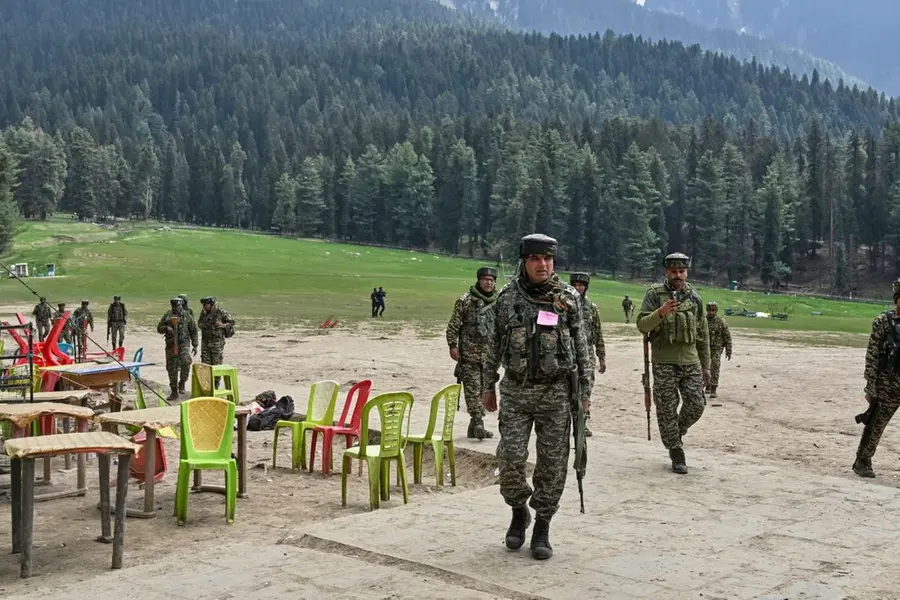
A covert wing known as “S1” within Pakistan’s Inter-Services Intelligence (ISI) has allegedly played a central role in planning and executing cross-border terror activities against India — from the 1993 Mumbai serial blasts to the recent attack on tourists in Pahalgam, Jammu and Kashmir, according to intelligence inputs cited by NDTV.
What does ‘S1’ stand for?
Intelligence sources reveal that S1 stands for “Subversion 1” — a codename for Pakistan’s largest and most secretive terror operations cell. The unit reportedly drives most of the ISI’s efforts to sustain and expand cross-border militancy.
Who heads the unit?
The S1 is said to be led by a Colonel-rank officer of the Pakistan Army, assisted by two senior officers overseeing operations, identified by their code names ‘Gazi 1’ and ‘Gazi 2’, reported the channel as sources stating.
Where is it based and how is it funded?
The headquarters of S1 are located in Islamabad, with most of its operations allegedly financed through drug trafficking networks, according to the report.
What are its capabilities?
Sources say that S1 operatives and trainers are skilled in manufacturing various types of bombs and improvised explosive devices (IEDs) and are well-versed in handling small arms and explosives. The unit reportedly maintains detailed maps of Indian locations as part of its operational database.
How long has ‘S1’ been active?
The S1 unit has reportedly operated for more than 25 years, though Indian security agencies have only recently pieced together its full structure and scope. The group is said to be directly responsible for facilitating and coordinating terror missions targeting India.
What are its links with terror groups?
S1 operatives have allegedly been spotted at training camps run by Jaish-e-Mohammed, Lashkar-e-Taiba and Hizbul Mujahideen, sources said. To conceal their identities, these trainers often grow long beards and wear local attire, blending in with regular recruits.
How secretive is the unit?
The level of secrecy surrounding the S1 is reportedly so high that many of the terror outfits receiving training remain unaware that their instructors belong to Pakistan’s ISI, according to intelligence reports. The unit is believed to have trained thousands of militants over the past two decades.
Published: 09 Nov 2025, 09:00 pm IST
Related Topics
Disclaimer: Kindly avoid objectionable, derogatory, unlawful and lewd comments, while responding to reports. Such comments are punishable under cyber laws. Please keep away from personal attacks. The opinions expressed here are the personal opinions of readers and not that of Mathrubhumi.
