
A curfew was imposed in Nepal’s Bara district on Thursday after fresh clashes erupted between ‘Gen Z’ protesters and supporters of the CPN-UML
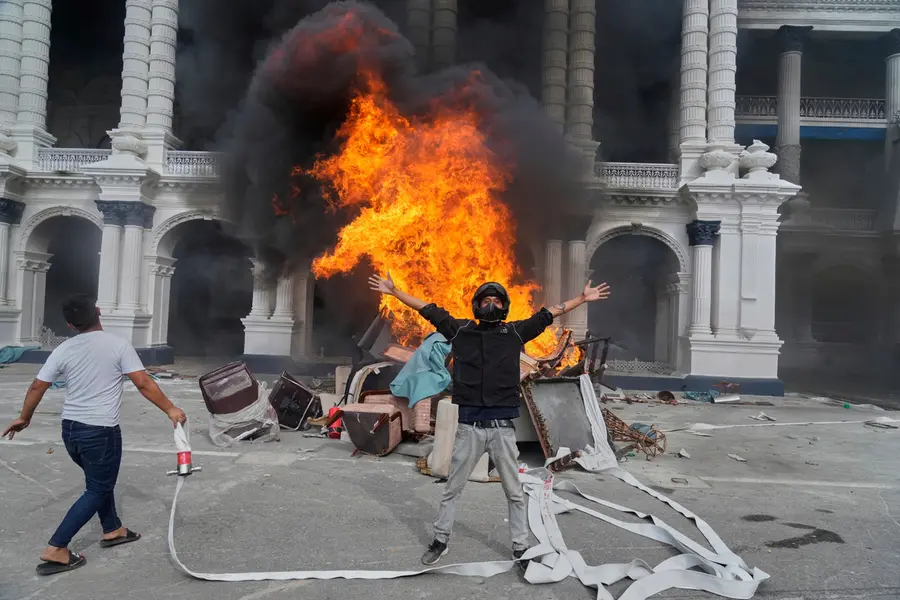
Kathmandu: Authorities in Nepal enforced a curfew in parts of Bara district on Thursday after renewed clashes broke out between young ‘Gen Z’ protesters and cadres of the Communist Party of Nepal – Unified Marxist Leninist (CPN-UML). The violent confrontations erupted a day earlier in the Simara area, escalating concerns of further unrest in the region bordering India’s Bihar.
The district administration banned gatherings and confirmed that the curfew would remain in effect until 8 pm local time to restore public order. Officials said tension flared on Wednesday when both the youth protesters and CPN-UML supporters held simultaneous rallies, leading to scuffles in multiple locations, including areas near the local airport.
Also Read

The renewed protests come two months after the deadly nationwide ‘Gen Z’ uprising in September that overthrew KP Sharma Oli’s government. The September demonstrations, triggered initially by the government’s brief ban on social media, expanded into a larger movement fuelled by long-standing frustration over economic stagnation, corruption and political instability. At least 76 people were killed in the violence on 8 and 9 September, with government offices, courts and parliament buildings torched before Oli’s ouster.
Interim Prime Minister Sushila Karki, who was appointed after the September unrest, appealed for calm and urged the public to avoid political provocation ahead of Nepal’s elections scheduled for 5 March 2026. She said she had instructed security agencies to maintain restraint while ensuring safe movement for political leaders and creating a stable environment for the upcoming vote. Karki also held discussions with representatives from more than 110 political parties, emphasising the need to support the aspirations of the younger generation and ensure a peaceful transition.
Nepal Police spokesman Abi Narayan Kafle told AFP that Thursday’s situation was “normal” and that no severe injuries had been reported during the fresh clashes. However, the administration said it imposed the curfew as a precaution amid concerns that the confrontations could intensify.
The latest flare-up underlines the persistent volatility in Nepal following the September uprising, as youth groups continue to mobilise against political establishments they view as inadequate and unresponsive. The government remains focused on containing unrest and preparing the country of 30 million for elections under heightened public scrutiny.
Published: 20 Nov 2025, 03:51 pm IST
Related Topics
Disclaimer: Kindly avoid objectionable, derogatory, unlawful and lewd comments, while responding to reports. Such comments are punishable under cyber laws. Please keep away from personal attacks. The opinions expressed here are the personal opinions of readers and not that of Mathrubhumi.