
Peru's Gen Z-led movement forms part of a larger pattern of youth-driven protest worldwide, expressing disillusionment with entrenched political systems.
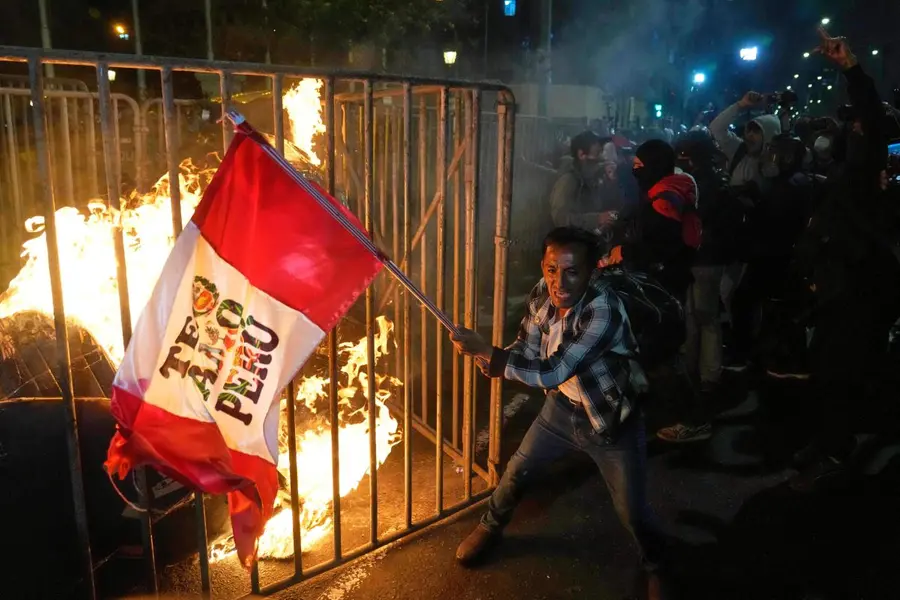
The Gen Z-led protests in Peru during October 2025 erupted as a direct response to the country's worsening political crisis, economic hardship, and rampant corruption. These protests rapidly gained national and international attention due to their youthful leadership, digital organization, and demands for sweeping systemic change.
Peru experienced escalating unrest after Congress impeached President Dina Boluarte on October 10, 2025, due to "permanent moral incapacity" and record-low approval ratings.
José Jerí was swiftly appointed as interim president, but his controversial cabinet and reputation further fueled dissatisfaction.
The protests began over concerns about pensions and wages but expanded to incorporate broader frustrations with crime, government corruption, and a lack of trust in institutions.
Gen Z Leadership and Demands
These protests are uniquely characterized by their digital-savvy leadership, with young people organizing primarily through social media platforms like TikTok, WhatsApp, and Telegram. The movement criticizes political elites for years of neglect, demanding:
* The resignation of President Jerí and Congress
* Systemic reforms, including a new constitution
* Robust action against corruption and rising crime
* Greater economic opportunities for youth.
Visual symbols like black "One Piece" anime flags and coordinated online campaigns link Peru's upheaval to a broader, global wave of Gen Z activism.
Clashes and Human Rights Concerns
The protests escalated into violent confrontations just days after Jerí took office. Authorities deployed riot police across Lima and other major cities, using tear gas and crowd control tactics to break up large and at times violent gatherings. Police reported dozens of their own officers injured, with protests turning deadly after the killing of hip-hop artist Eduardo Ruiz, allegedly by a plainclothes officer. Ruiz's killing spurred additional outrage and formal investigations by Peru's human rights authorities. Over 100 individuals, including dozens of police and at least 10 journalists, were injured during these confrontations.
The Peruvian government's response to the Gen Z-led protests has been marked by a mix of condemnation of violence, a strong law-and-order posture, and commitment -- at least in statements -- to launching investigations into human rights abuses.
President José Jerí publicly expressed regret over the fatality and the injuries, announcing formal investigations and pledging to "objectively ascertain what transpired and who is accountable." However, Jerí has consistently blamed "delinquents" and "infiltrators" for turning otherwise peaceful demonstrations violent, promising that “the full force of the law” would be directed at those responsible.
Despite mounting pressure -- including demands for his resignation -- Jerí has refused to step down, stating, "My responsibility is to maintain the stability of the country; that is my responsibility and my commitment."
Broader Context and Ongoing Crisis
Peru's Gen Z-led movement forms part of a larger pattern of youth-driven protest worldwide, expressing disillusionment with entrenched political systems.
In Peru, protesters chant "Everyone must go!", demanding not only the resignation of Jerí's short-lived administration but the complete overhaul of the nation's political class. Despite mounting pressure and violent unrest, President Jerí has refused to resign, vowing instead to restore order and stability.
The situation remains tense as protests continue in Lima and other cities, with Peru's Gen Z protest movement embodying wider generational demands for justice, opportunity, and real governmental change.
The Peruvian Gen Z movement has received vocal support from youth activists across countries such as Nepal, Indonesia, Kenya, and Morocco, as part of a global wave of generational protests demanding accountability, transparency, and social justice. This international solidarity has manifested in shared protest symbolism, coordination via social media, and calls for governments everywhere to listen to young people and enact progressive change.
International Reactions
Global responses to the Gen Z protests in Peru have reflected increasing concern from both international organizations and regional governments. The United Nations and human rights organizations such as Amnesty International have called for independent investigations into the death of Ruiz and possible abuses by security forces, stressing the importance of protecting the rights of peaceful demonstrators and pressuring the Peruvian government to uphold international human rights standards.
Several Latin American governments and embassies have issued statements calling for restraint, dialogue, and respect for democratic norms in Peru. For example, in the early days of unrest, the US Embassy and regional neighbors urged the government to seek peaceful resolutions and avoid excessive force during crowd control operations.
Published: 17 Oct 2025, 09:57 am IST
Disclaimer: Kindly avoid objectionable, derogatory, unlawful and lewd comments, while responding to reports. Such comments are punishable under cyber laws. Please keep away from personal attacks. The opinions expressed here are the personal opinions of readers and not that of Mathrubhumi.
