
An oil tanker carrying Iranian crude that was reportedly heading towards India has changed course near Gujarat and is now signalling China as its destination, according to ship-tracking data.
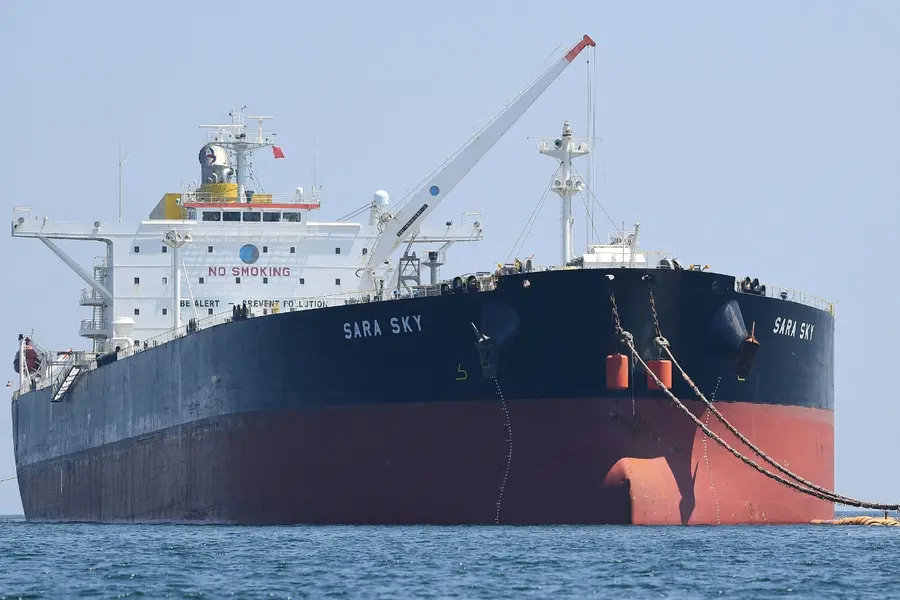
Gujarat: An oil tanker carrying crude oil from Kharg Island was initially en route to Vadinar Port in India but reportedly altered its course mid-journey and is now heading towards Dongying in China.
The vessel, identified as carrying around 6,00,000 barrels of crude, had been expected to mark a potential resumption of Iranian oil imports to India after a gap of several years.
Also Read

According to ship-tracking data cited in reports, the tanker made a sudden U-turn near the Gujarat coastline before redirecting its route. The change in destination has not been officially explained by either Indian or Iranian authorities at the time of reporting.
Reports suggest that the vessel, an Eswatini-flagged tanker, was close to docking at Vadinar port when it altered its trajectory. Analysts and traders cited in media reports have pointed to possible reasons such as payment issues, documentation challenges, or restrictions linked to international sanctions.
The broader context includes ongoing geopolitical tensions in the region and disruptions in maritime traffic through the Strait of Hormuz, a key global oil transit route. Escalations in West Asia have impacted shipping activity, with multiple vessels carrying energy cargo reportedly facing delays or rerouting.
Shipment details and route change
The tanker, reportedly loaded with crude oil sourced from Iran, was initially heading towards India’s western coast, specifically Vadinar port in Gujarat. The shipment was significant as it could have represented one of the first direct Iranian crude imports by India in nearly seven years.
However, ship-tracking data indicated a deviation from its planned route before reaching port. The vessel’s course was adjusted mid-sea, after which it began signalling a destination in eastern China, suggesting a complete rerouting of the cargo.
Possible reasons for rerouting
While no official confirmation has been provided, reports have cited several potential factors behind the diversion:
- Payment and transaction-related issues
- Compliance challenges linked to international sanctions
- Documentation or regulatory requirements
- Logistical or contractual changes between stakeholders
These factors are often associated with cross-border crude oil trade involving sanctioned suppliers.
Regional shipping disruptions
The rerouting comes amid broader disruptions in maritime trade in West Asia. Increased tensions and military activity in the region have affected shipping lanes, particularly through strategic chokepoints like the Strait of Hormuz, which handles a significant portion of global oil and gas transport.
Reports indicate that multiple vessels carrying energy cargo intended for India are currently stranded or delayed in the region due to security concerns and navigation constraints.
Impact on energy trade flows
The incident highlights the volatility of global energy supply chains, where geopolitical developments can influence trade routes and delivery schedules. India, which relies heavily on crude oil imports, sources energy from multiple international suppliers, while China remains one of the largest importers of crude oil globally.
Rerouting of cargo shipments between major economies reflects shifting trade dynamics influenced by pricing, sanctions, logistics, and diplomatic considerations.
Published: 03 Apr 2026, 02:49 pm IST
Disclaimer: Kindly avoid objectionable, derogatory, unlawful and lewd comments, while responding to reports. Such comments are punishable under cyber laws. Please keep away from personal attacks. The opinions expressed here are the personal opinions of readers and not that of Mathrubhumi.