
Tensions between Iran, the United States and Israel have sharply escalated as ceasefire efforts stall and military strikes intensify across the region.
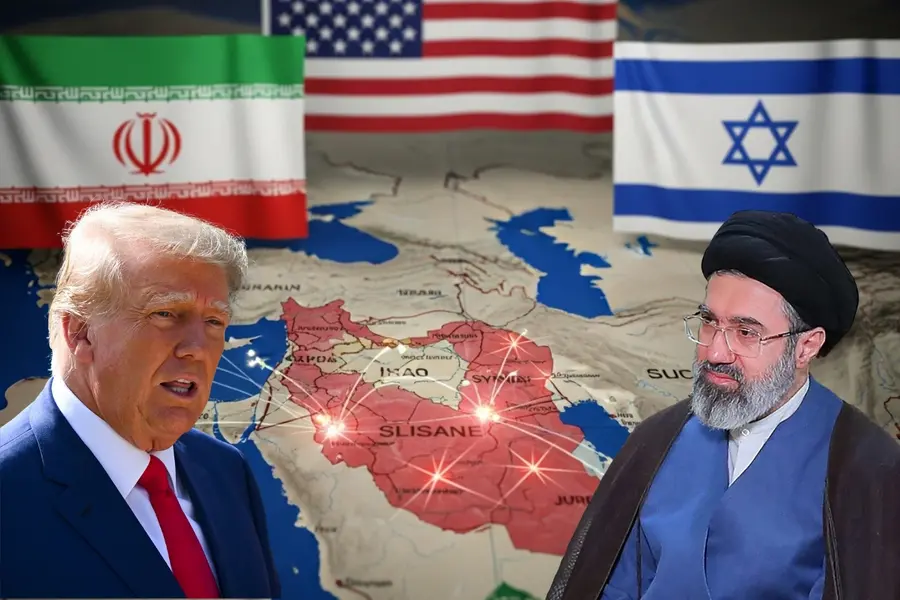
Dubai: The ongoing Iran–US–Israel conflict has entered a more intense phase, marked by stalled ceasefire discussions and continued military operations.
According to Al Jazeera reports, Iran has conveyed its response to ceasefire proposals through intermediaries but has ruled out direct talks with the United States. Tehran has indicated that its position is shaped by past experiences and that it is seeking a broader and more comprehensive framework rather than a temporary pause in hostilities. Reports suggest that Iran’s response includes multiple conditions, such as addressing regional conflicts, easing sanctions, and ensuring safe passage through strategic maritime routes like the Strait of Hormuz.
Also Read

Escalation of strikes and casualties
The conflict between Iran, the United States, and Israel has intensified with continued military actions across multiple locations. US and Israeli strikes have reportedly resulted in at least 34 deaths in Iran, including civilians and children. Targets have included military installations and infrastructure, with reports of damage to airports, aircraft, and other strategic assets. Iran is widely expected to respond to these attacks, raising concerns about further escalation.
Regional spillover and security concerns
The situation has begun to affect neighbouring regions as well. Incidents linked to missile activity and falling debris have been reported in parts of the Gulf, including injuries in residential areas. Such developments highlight the risk of the conflict spreading beyond the immediate countries involved and impacting wider regional stability.
Strategic importance of the Strait of Hormuz
The Strait of Hormuz remains a critical factor in the ongoing tensions. As one of the world’s most important oil transit chokepoints, any disruption could have significant consequences for global energy markets. Iran’s reported conditions for any agreement include protocols for safe navigation through this route, reflecting its strategic leverage in the conflict.
Political rhetoric and military warnings
Leadership statements from all sides have added to the tension. US officials have maintained that their actions are aimed at preventing Iran from acquiring nuclear weapons, while also warning of further strikes on infrastructure. At the same time, Iranian authorities have signalled readiness to continue military engagement for as long as their political leadership deems necessary.
With ceasefire efforts stalled and military actions continuing, the situation remains highly volatile. Iran’s demand for a comprehensive regional solution contrasts with the current approach of limited negotiations, leaving uncertainty over whether diplomatic channels can resume. The coming period is likely to be decisive in determining whether the conflict escalates further or moves back towards negotiations.
Published: 06 Apr 2026, 09:14 pm IST
Disclaimer: Kindly avoid objectionable, derogatory, unlawful and lewd comments, while responding to reports. Such comments are punishable under cyber laws. Please keep away from personal attacks. The opinions expressed here are the personal opinions of readers and not that of Mathrubhumi.