
Pakistan has proposed a two-phase ceasefire framework between the US and Iran, racing against time to secure agreement and reopen the critical Strait of Hormuz.
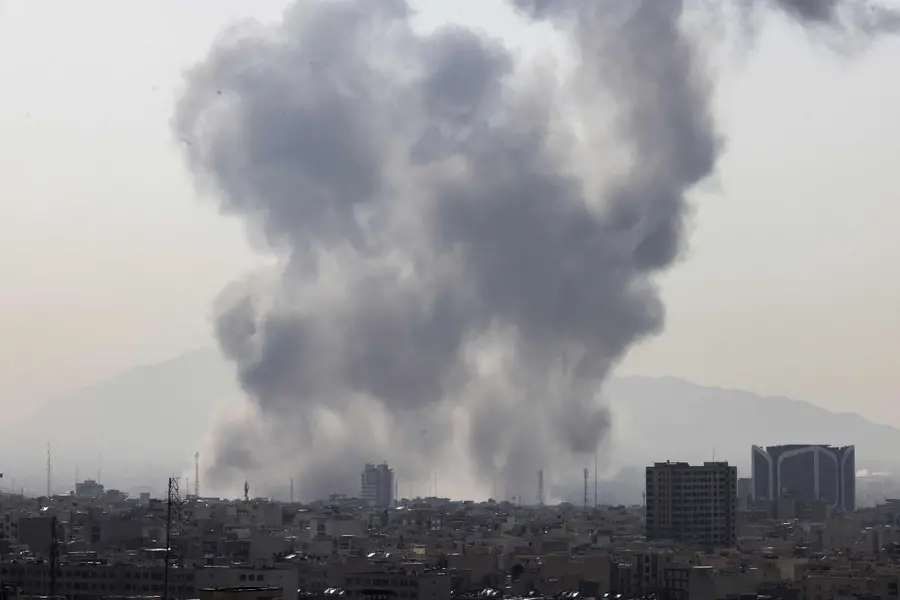
Pakistan has stepped in with a high-stakes diplomatic initiative aimed at ending the escalating conflict between the United States and Iran, with a proposal that must be agreed upon by Monday, April 6, to secure an immediate ceasefire.
According to a Reuters report citing officials familiar with the discussions, Islamabad has presented a two-phase framework, tentatively called the “Islamabad Accord”, to both Washington and Tehran.
The proposal seeks not only to halt hostilities but also to pave the way for a broader, long-term settlement between the two adversaries.
At the heart of the plan is an urgent first phase that calls for an immediate ceasefire.
If both sides agree to the terms, the understanding would be formalised through a memorandum of understanding, concluded electronically with Pakistan acting as the intermediary.
The second phase envisions comprehensive negotiations aimed at resolving deeper strategic tensions, with in-person talks proposed to take place in Islamabad.
The urgency surrounding the proposal is tied to the potential reopening of the Strait of Hormuz, one of the world’s most critical oil shipping routes.
Any prolonged disruption in the region threatens global energy supplies and could trigger wider economic instability.
Pakistan’s role as a mediator has become increasingly significant, with officials describing it as the sole active communication channel between the US and Iran at this stage.
“All elements need to be agreed today,” a source said, underscoring the narrow window for a breakthrough.
Leading the diplomatic push is Pakistan’s army chief, Field Marshal Asim Munir, who has reportedly been engaged in continuous overnight outreach with key figures, including US Vice President JD Vance, US special envoy Steve Witkoff, and Iranian Foreign Minister Abbas Araqchi.
The intensity of these backchannel communications highlights the seriousness of Islamabad’s efforts to broker peace in a rapidly evolving crisis.
With tensions threatening to spiral further, the proposed accord represents a crucial test of diplomacy under pressure.
If successful, the initiative could not only de-escalate a major geopolitical flashpoint but also restore stability to global energy markets. However, with the deadline fast approaching, the outcome remains uncertain.
Published: 06 Apr 2026, 02:15 pm IST
Related Topics
Disclaimer: Kindly avoid objectionable, derogatory, unlawful and lewd comments, while responding to reports. Such comments are punishable under cyber laws. Please keep away from personal attacks. The opinions expressed here are the personal opinions of readers and not that of Mathrubhumi.
