
The ECB's move came as oil prices surged above $100 per barrel amid reduced tanker traffic through the Strait of Hormuz, where vessels face the threat of Iranian attacks
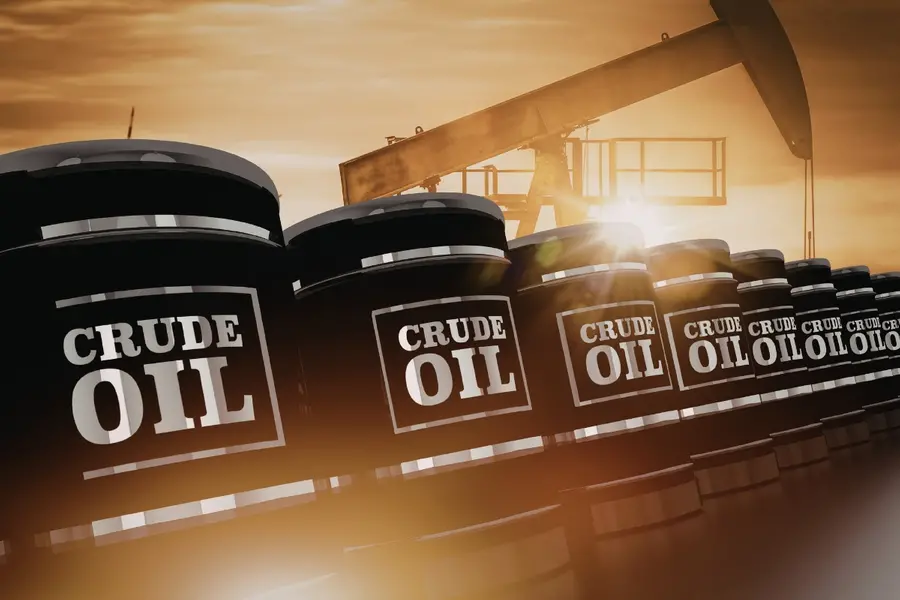
Frankfurt: U.S. crude prices climbed above $100 a barrel Thursday as gasoline and diesel prices moved sharply higher, while the European Central Bank raised interest rates by a quarter percentage point to contain inflation being fueled by soaring energy costs linked to the war in Iran.
The ECB raised its benchmark interest rate to 2.50% at a meeting in Berlin, away from its Frankfurt headquarters. The increase was backed by a stronger-than-expected economy that suggests businesses can withstand higher borrowing costs.
The central bank for the 21 EU countries that use the euro said in a statement that “the conflict in the Middle East continues to generate inflation pressures, and inflation is set to remain well above target for an extended period.”
It added that the economic outlook remains “highly uncertain.”
The ECB's move came as oil prices surged above $100 per barrel amid reduced tanker traffic through the Strait of Hormuz, where vessels face the threat of Iranian attacks. The disruption has raised concerns that prolonged energy price increases could push inflation higher across the eurozone.
Eurozone inflation reached 3.3% in August, well above the ECB's 2% target.
The central bank last raised rates at its June 11 meeting before pausing at its July 23 session. ECB President Christine Lagarde's remarks later Thursday are expected to be closely watched by investors and market analysts for signals on whether further rate increases could follow.
Higher interest rates are intended to curb inflation by making borrowing more expensive, reducing demand for goods and services and easing pressure on prices. ECB rates affect banks first and then feed through to lending costs across the wider economy.
The latest oil shock is also complicating monetary policy decisions because it remains unclear how long shipping restrictions around the Strait of Hormuz and elevated crude prices will persist.
In the United States, inflation concerns are also weighing on the Federal Reserve ahead of its Sept. 15-16 meeting. Fed Chair Kevin Warsh has said the bank may have “more work to do” to contain U.S. inflation of 3.7%.
The ECB's rate increase was “a hike to stay ahead of the curve, demonstrating the ECB’s high level of vigilance, and an attempt to prevent higher energy prices from feeding through to the broader economy,” Carsten Brzeski, global head of macro at ING bank, wrote in an email.
Published: 10 Sept 2026, 06:23 pm IST
ABOUT THE AUTHOR

Related Topics
Disclaimer: Kindly avoid objectionable, derogatory, unlawful and lewd comments, while responding to reports. Such comments are punishable under cyber laws. Please keep away from personal attacks. The opinions expressed here are the personal opinions of readers and not that of Mathrubhumi.