
Iran Lebanon diplomatic spat escalates after FM Abbas Araghchi and President Joseph Aoun exchange sharp statements over Hezbollah and sovereignty
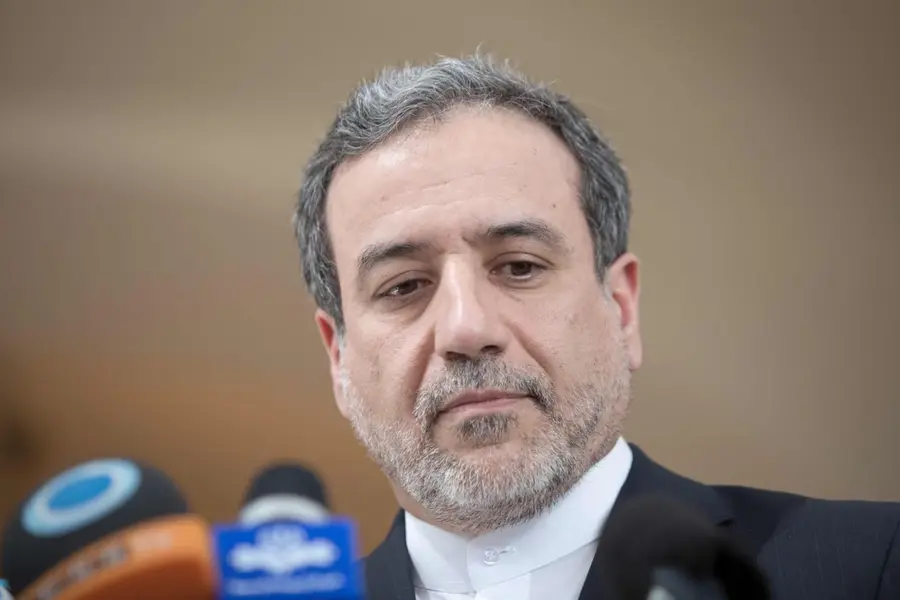
Beirut: Tensions between Iran and Lebanon have escalated after a war of words between Iranian Foreign Minister Abbas Araghchi and Lebanese President Joseph Aoun over Iran’s alleged interference in Lebanese affairs and the role of Hezbollah in the country’s internal and regional politics.
The exchange comes at a sensitive time, with renewed hostilities between Israel and Hezbollah placing additional pressure on Lebanon’s political leadership and its fragile internal balance.
Also Read

Lebanese president’s strong remarks on sovereignty
Lebanese President Joseph Aoun, in an interview with CNN, strongly criticised Iran, urging it to stop interfering in Lebanon’s internal affairs. His comments followed the collapse of a proposed truce involving Israel and the Iran-backed Hezbollah movement.
Aoun stressed that Lebanon’s sovereignty must be respected, stating that decisions regarding the country should be made in Beirut and not influenced by external actors. He also highlighted the impact of ongoing conflict on Lebanese civilians, pointing to deaths and destruction caused by continued violence.
Iran’s response and sharp counter-accusations
In response, Iranian Foreign Minister Abbas Araghchi rejected the accusations and pushed back strongly against Aoun’s remarks. Writing on social media platform X, he accused Israel of being Lebanon’s “real foe” and questioned claims regarding Iran’s role in the country’s instability.
Araghchi argued that Iran could not be blamed for Lebanon’s internal challenges, suggesting instead that external aggression was the primary source of instability. His comments reflected Tehran’s long-standing position that its involvement in Lebanon is linked to regional resistance dynamics.
Hezbollah issue at the centre of tensions
At the heart of the dispute is Hezbollah’s role in Lebanon’s political and military landscape. The group, which is backed by Iran, has long been a key actor in Lebanese politics and has been engaged in renewed confrontations with Israel.
Lebanese officials critical of Iran argue that Hezbollah’s independent military capability undermines state authority and constitutional order, while Iran and its allies maintain that the group plays a role in regional resistance against Israel.
The debate has once again highlighted deep divisions within Lebanon over sovereignty, armed groups, and foreign influence.
Domestic political reactions in Lebanon
Several Lebanese political figures have supported President Aoun’s stance, reinforcing calls for full state control over weapons and decision-making authority.
Critics of Hezbollah and Iran argue that Lebanon’s prolonged instability is linked to the presence of armed groups operating outside state control, while others emphasise the group’s political and security role in the absence of a strong national defence structure.
The exchange has further intensified domestic debate over Lebanon’s political direction amid ongoing regional conflict.
The latest confrontation between Iran and Lebanon underscores the fragile geopolitical balance in the Middle East, where the Israel–Hezbollah conflict, questions of sovereignty, and regional influence continue to overlap. With both sides firmly defending their positions, diplomatic tensions appear set to remain high in the coming weeks.
Published: 07 Jun 2026, 04:04 pm IST
Related Topics
Disclaimer: Kindly avoid objectionable, derogatory, unlawful and lewd comments, while responding to reports. Such comments are punishable under cyber laws. Please keep away from personal attacks. The opinions expressed here are the personal opinions of readers and not that of Mathrubhumi.