
US and Iranian negotiators are meeting in Switzerland for fresh talks as tensions over the Strait of Hormuz and renewed fighting in Lebanon test a fragile ceasefire agreement.
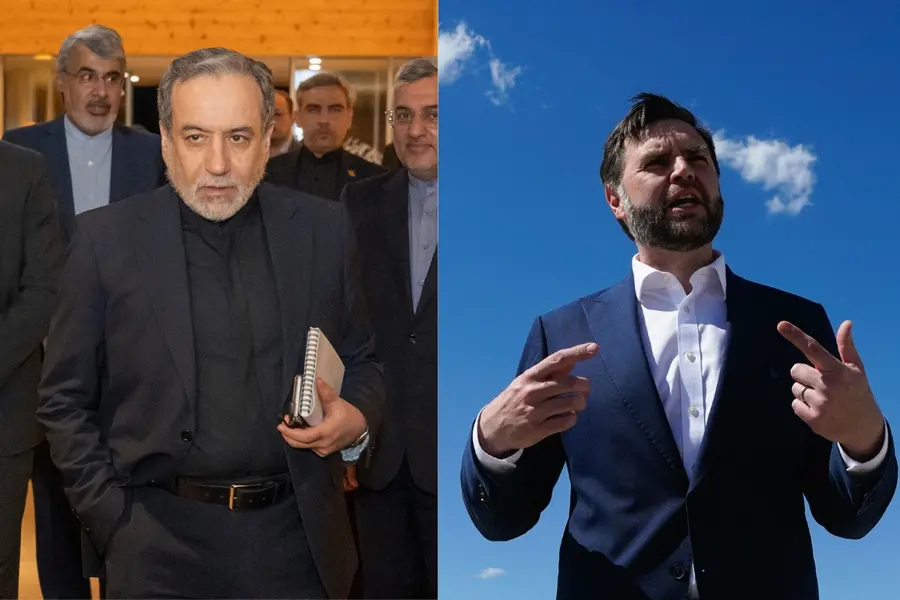
Geneva: Fresh negotiations between the United States and Iran are set to begin in Switzerland as both sides seek to preserve a fragile agreement threatened by renewed violence in Lebanon and a new dispute over the Strait of Hormuz.
A new round of high-stakes negotiations between the United States and Iran is underway in Switzerland, with diplomats attempting to prevent a wider regional crisis after renewed clashes in Lebanon and rising tensions over the Strait of Hormuz.
Also Read

The talks come days after a planned meeting was postponed following deadly Israeli strikes in Lebanon, which reignited concerns about the durability of the ceasefire arrangement linked to the broader US-Iran understanding.
JD Vance arrives for critical negotiations
US Vice President JD Vance arrived in Switzerland expressing hope that negotiators could make progress on two key issues: Iran's nuclear programme and the Lebanon ceasefire.
American officials indicated that technical discussions had already begun, while senior Iranian representatives also travelled to Switzerland to participate in the talks.
A major challenge facing negotiators is Iran's announcement that it intends to close the Strait of Hormuz to vessel traffic, citing alleged violations of the ceasefire by Israel in southern Lebanon.
The Strait of Hormuz is one of the world's most important energy shipping routes, carrying significant volumes of global oil and gas exports.
Iran had previously agreed to reopen the waterway under a preliminary accord reached between US President Donald Trump and Iranian President Masoud Pezeshkian.
However, US military officials said maritime traffic through the waterway remained operational and that American forces continued to monitor the situation.
Trump later warned that Washington could impose its own measures related to Hormuz if negotiations fail.
Lebanon ceasefire under pressure
The fragile ceasefire in Lebanon remains another major obstacle.
Israeli forces and the Iran-backed group Hezbollah exchanged accusations of violating the truce, while fighting continued in parts of southern Lebanon. Israel reported additional military casualties, while Lebanese authorities said air strikes and clashes had caused dozens of deaths.
Both sides blamed each other for the renewed violence, raising fears that the conflict could escalate despite ongoing diplomatic efforts.
Nuclear negotiations remain central
The Swiss talks are expected to focus heavily on unresolved issues surrounding Iran's nuclear programme.
The current discussions are designed to launch a broader negotiation period aimed at addressing remaining disagreements left unresolved by the preliminary accord. Officials from several countries, including Pakistan and Qatar, are also participating in mediation efforts.
The negotiations are seen as a crucial test of whether diplomacy can prevent renewed escalation across the Middle East. Any breakdown could affect regional security, global energy markets and the future of efforts to limit Iran's nuclear activities while maintaining stability in Lebanon.
Published: 21 Jun 2026, 10:25 am IST
Disclaimer: Kindly avoid objectionable, derogatory, unlawful and lewd comments, while responding to reports. Such comments are punishable under cyber laws. Please keep away from personal attacks. The opinions expressed here are the personal opinions of readers and not that of Mathrubhumi.