
Tehran continues to insist that any peace negotiations are inextricably linked to the fighting in Lebanon and the war in the Gulf.
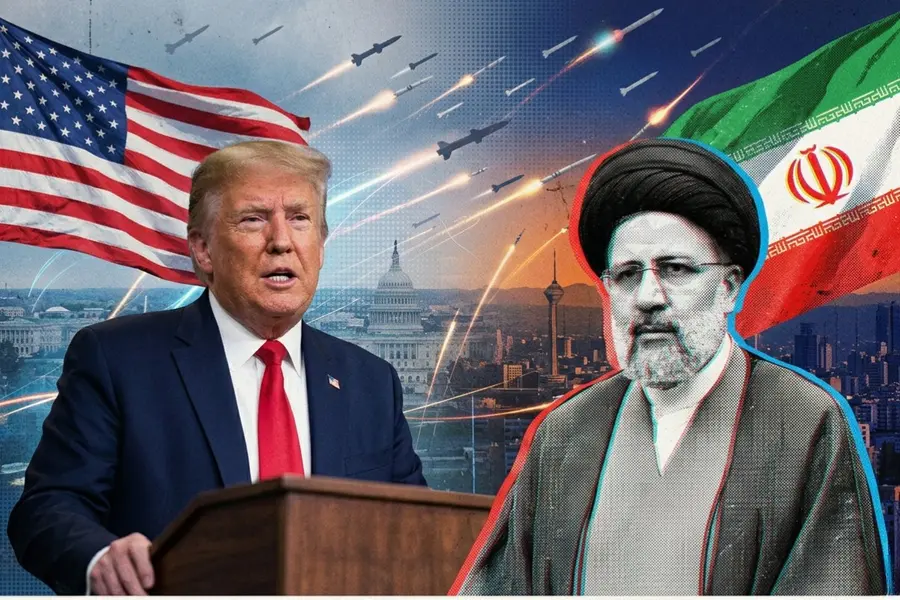
New York/ Tehran: As the conflict in the Middle East reached its 100th day on Sunday, the horizon remained clouded by military escalation and a total deadlock in negotiations.
US Central Command confirmed it had destroyed two Iranian drones that were threatening international maritime traffic in the vital Strait of Hormuz.
This action followed a separate strike against four other drones and coastal surveillance radar sites earlier that day.
The response from Tehran was swift and forceful, with the launch of a salvo of seven ballistic missiles towards US allies Bahrain and Kuwait.
While six were intercepted, sirens in Manama and explosions near Kuwait International Airport shattered the morning calm.
"We woke up to a huge explosion," shared Reem, a mother in Kuwait, describing how she could not calm her terrified children.
Iran’s foreign ministry characterised the US strikes as "flagrant violations", even as Bahrain denounced the missile attacks as "blatant aggression".
The critical rift in intelligence
Behind the scenes of these kinetic exchanges, a different kind of tension is brewing between traditional allies.
The Pentagon's Defense Intelligence Agency (DIA) recently elevated Israel’s counter-intelligence threat designation to "critical", its highest internal assessment level.
This shift suggests a deepening anxiety that Israel is actively attempting to intercept data regarding the Trump administration’s internal deliberations on Middle Eastern conflicts.
While routine intelligence sharing remains unaffected, the reclassification means American personnel travelling to Israel are implementing stringent safeguards.
They use temporary computers, burner phones and highly restricted communication protocols.
Officials noted that senior American representatives now frequently refrain from discussing confidential matters inside hotel rooms or other vulnerable spaces while in the country.
Although both the White House and the Israeli Embassy have dismissed these reports as "completely false", former security experts describe the Israeli intelligence framework as extraordinarily assertive.
Friction at the highest levels
The strategic rift has become personal, manifesting itself in a high-friction relationship between President Donald Trump and Prime Minister Benjamin Netanyahu.
Reports of a tense telephone call recently surfaced, during which Trump reportedly expressed immense anger over Israeli threats to resume air strikes on Beirut.
The US President bluntly warned Netanyahu that his actions were severely harming Israel’s international reputation, reportedly telling him, "Everybody hates you now".
Trump later acknowledged calling the Israeli leader "crazy", intensifying speculation that the two leaders are diverging over their long-term strategic goals for the region.
This internal friction coincides with escalating policy disagreements concerning the trajectory of the war with Iran.
Despite the public denials of espionage, segments of the American defence establishment remain wary that their ally is pushing beyond the standard boundaries of intelligence collection generally tolerated between partners.
Overtures and the real world
Amid the military and diplomatic friction, President Trump has hinted at a possible meeting with Iran’s Supreme Leader, Mojtaba Khamenei.
Trump characterised the military campaign against Iran as a success, maintaining that Tehran’s defence capabilities have been significantly diminished.
"I'd like to meet him," Trump stated, noting that a meeting might occur "depending on how it all works out".
However, Tehran has been quick to douse these diplomatic sparks.
Iranian Foreign Minister Abbas Araghchi dismissed the likelihood of such a meeting, categorising the suggestion as unrealistic.
"I think we should be realistic and think and live in the real world," Araghchi stated, minimising Trump’s assertions.
Tehran continues to insist that any peace negotiations are inextricably linked to the fighting in Lebanon and the war in the Gulf.
A multilateral deadlock
The conflict is now a war of attrition, rattling global energy markets and placing domestic pressure on the Trump administration ahead of the November congressional elections.
Negotiations have stalled over roughly $24 billion in frozen Iranian assets. While Tehran is calling for their release to break the deadlock, Washington is considering using those funds to pay for damage caused by Iranian strikes on Gulf allies.
Even the world of sport has been pulled into the fray.
A diplomatic row erupted over the United States' refusal to grant visas to the administrative and managerial staff of Iran’s World Cup football team.
While the players received visas, 15 staff members were denied, with a US official stating they would not allow the system to be used to "sneak terrorists into the United States".
As Pakistan emerges as a central mediator, with its officials travelling between Tehran and Islamabad, the path to a lasting settlement remains obscured by mutual distrust and ongoing violence.
Published: 07 Jun 2026, 12:34 pm IST
Disclaimer: Kindly avoid objectionable, derogatory, unlawful and lewd comments, while responding to reports. Such comments are punishable under cyber laws. Please keep away from personal attacks. The opinions expressed here are the personal opinions of readers and not that of Mathrubhumi.
