
Iran has claimed it has closed the Strait of Hormuz again, citing ongoing regional tensions, but the United States says commercial shipping remains unaffected, with dozens of vessels continuing to pass through the critical oil transit route.
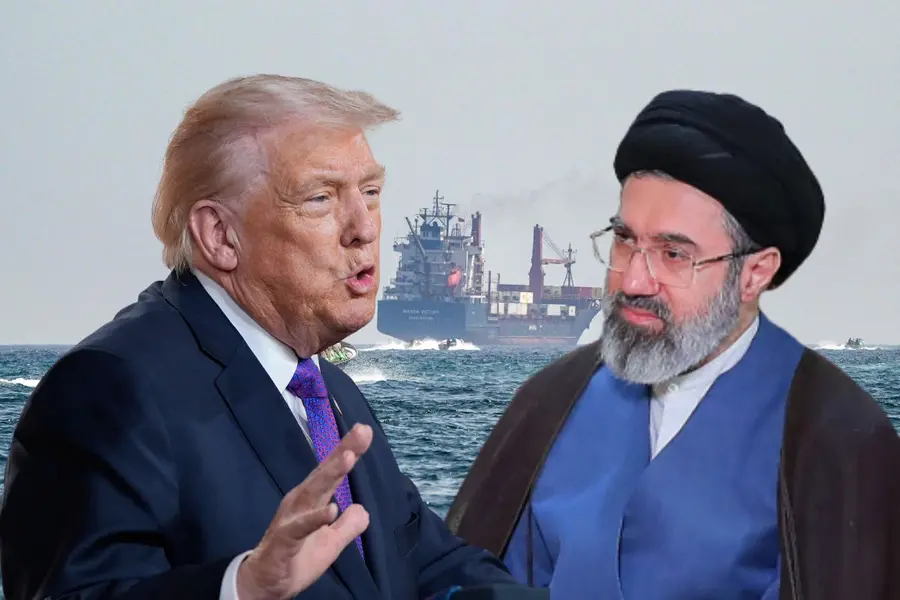
Conflicting claims from Tehran and Washington have created fresh uncertainty over the status of the Strait of Hormuz, the narrow maritime corridor through which a major share of the world's oil and gas exports passes.
Iran's military command announced that the strategic waterway had been shut again, warning that additional measures could follow if regional hostilities continue.
The move comes only days after the strait was reopened under an interim understanding between Iran and the United States aimed at easing tensions and reviving diplomatic engagement.
The United States, however, presented a very different picture.
In a statement posted on X, US Central Command said commercial ship traffic through the Strait of Hormuz increased on June 20, with 55 merchant vessels safely passing through the waterway. According to the statement, the ships transported more than 17 million barrels of oil and large volumes of cargo to global markets.
US Central Command also said safe passage through the international shipping lane remained intact and noted that a recent advisory from the Joint Maritime Information Center had reaffirmed freedom of navigation along a designated route free from restrictions or impediments.
The statement added that American forces remained deployed in the region to ensure that all aspects of the agreement with Iran continue to be observed.
The competing narratives have left questions over whether Iran's announcement represents a formal closure affecting international shipping or a political warning aimed at increasing pressure during ongoing diplomatic negotiations.
Talks proceed, but doubts grow
Despite announcing the closure, Iran confirmed that its negotiating team would travel to Switzerland for talks with US officials.
Iranian Foreign Ministry spokesperson Esmail Bagaei said the visit would focus on demanding implementation of commitments already made by Washington, suggesting that progress towards a broader agreement remains uncertain.
Tehran has accused the United States of failing to uphold parts of the recent understanding, while also pointing to continued Israeli military operations in Lebanon as evidence that the agreement has not delivered the expected reduction in regional tensions.
The latest dispute comes as fighting between Israel and Hezbollah continues despite renewed ceasefire efforts. Lebanese authorities reported fresh casualties following Israeli strikes in southern Lebanon, while both Israel and Hezbollah accused each other of violating understandings aimed at reducing hostilities.
With Iran claiming the Strait of Hormuz has been closed and the United States insisting maritime traffic continues normally, attention is likely to remain fixed on developments in one of the world's most strategically important waterways, where any genuine disruption could have immediate consequences for global energy markets and international trade.
With AP inputs
Published: 20 Jun 2026, 08:24 pm IST
Related Topics
Disclaimer: Kindly avoid objectionable, derogatory, unlawful and lewd comments, while responding to reports. Such comments are punishable under cyber laws. Please keep away from personal attacks. The opinions expressed here are the personal opinions of readers and not that of Mathrubhumi.
