
Iran restores international calls after protests. Reports show 646 killed, 10,700 detained amid crackdown
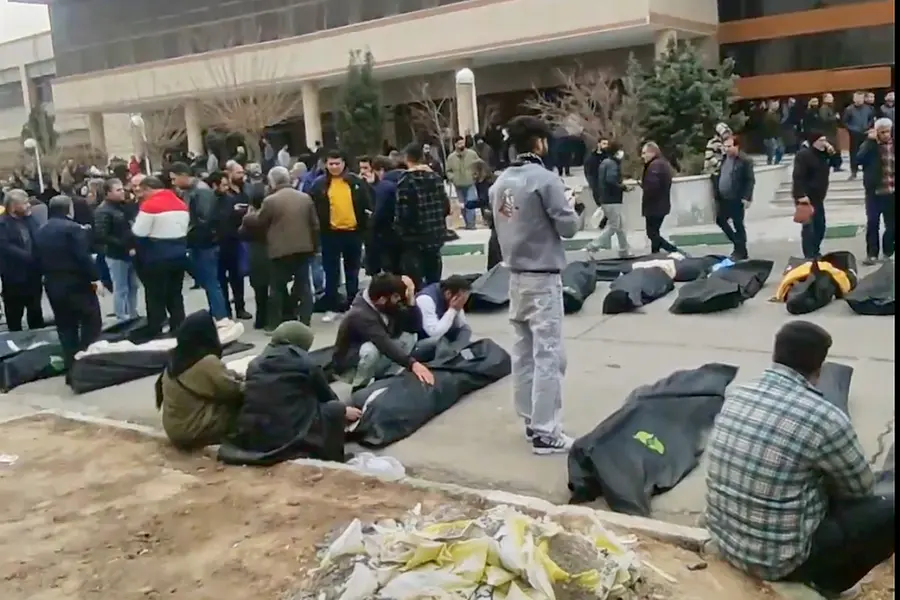
Tehran: Iran has allowed citizens to make international calls for the first time in days amid nationwide protests, as activists report at least 646 people killed and over 10,700 detained.
Mobile phones in Iran were able to call abroad on Tuesday after communications were halted during a crackdown on nationwide protests. The internet and SMS services remain largely inaccessible outside government-approved sites. Several people in Tehran spoke briefly to The Associated Press, describing life under heavy security during the four-and-a-half-day blackout.
Also Read

Also read: US weighing military action? ‘Leave Iran now’ advisory issued to citizens
Witnesses reported a strong presence of anti-riot police and members of the Basij volunteer force in central Tehran. Banks and government offices were damaged, ATMs were destroyed, and shopkeepers reported being ordered to reopen despite low foot traffic. Many Iranians remain concerned about potential military action from the US, even as President Donald Trump suggested Iran wants to negotiate.
Iranian Foreign Minister Abbas Araghchi confirmed continued communications with the US envoy, while the White House emphasised that military options remain on the table if deemed necessary. Pro-government demonstrations also took place, with crowds chanting slogans such as “Death to America” and “Death to Israel,” reinforcing the regime’s stance.
Trump announced 25 per cent tariffs on countries trading with Iran in response to the crackdown. International reactions included Nobel laureate Malala Yousafzai supporting protesters, the French embassy reconfiguring staff, and German Chancellor Friedrich Merz calling for an end to violence and warning the regime is in its “final days and weeks.”
According to the US-based Human Rights Activists News Agency, 512 protesters and 134 security personnel have died, with over 10,700 people detained since the protests began. The unrest follows broader concerns over Iranian government repression, restrictions on women’s rights, and long-standing limitations on civil liberties.
Published: 13 Jan 2026, 03:53 pm IST
Disclaimer: Kindly avoid objectionable, derogatory, unlawful and lewd comments, while responding to reports. Such comments are punishable under cyber laws. Please keep away from personal attacks. The opinions expressed here are the personal opinions of readers and not that of Mathrubhumi.