
A final-year English translation student from Gaza describes how war, repeated displacement and famine forced her to complete university studies online while running a small solar-powered phone-charging business to survive.
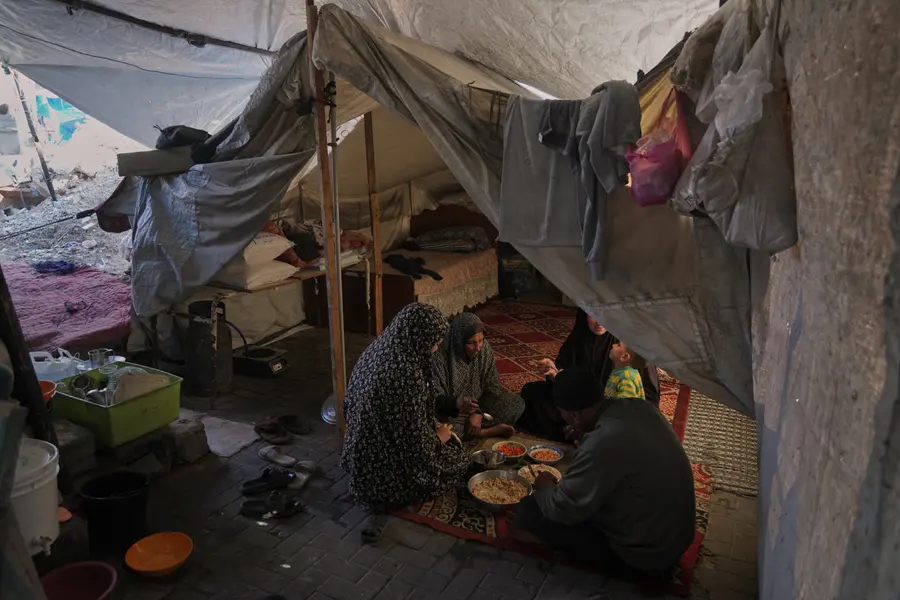
Gaza: The war in Gaza began while the author had just entered the third year of studying English translation at university, abruptly halting campus life and dismantling plans to pursue an academic career.
As fighting intensified, universities shut down and Gaza came to a near standstill amid widespread destruction. Like most families in the enclave, her family endured severe hardship, losing stability, health and security over two years of conflict.
Also Read

During this period, the family was displaced 10 times, moving from northern Gaza to Khan Younis, then Rafah, Deir el-Balah and later back to Gaza City, before being displaced once again to Khan Younis. Their home was badly damaged and is now partially uninhabitable, forcing them to live inside it with tarpaulins replacing walls.
In the summer of 2024, Gaza’s universities resumed classes through online learning. The author registered not out of confidence in her future prospects, but to complete what she had started. She finished her third year from inside a tent, relying on unstable internet connections. Her final year began in February, but conditions deteriorated further when famine spread across Gaza.
Food shortages, repeated displacement and constant fear of air strikes led to a rapid decline in her health. She lost nearly 15 kilograms, experienced persistent dizziness and survived at times on a single inadequate meal per day. The physical toll was visible across her family, particularly affecting her mother, raising fears for her life.
Despite these conditions, she resolved not to abandon her education or sense of purpose. Unable to work in academia, she launched a small phone-charging project using a solar panel to generate income. With her family’s support, she set up a charging point outside their tent, organising phones with numbered cards to prevent loss.
The project brought modest earnings of about $10 a day, enough to buy internet access and basic food items. However, it came with constant challenges, including cloudy weather that cut off power supply, high demand, and the pressure of preparing for final exams. She completed her exams in October while continuing to manage the charging stall under extreme emotional and physical strain.
Her experience reflects the broader reality faced by hundreds of thousands of young people in Gaza who continue to pursue education despite internet blackouts, displacement and poverty. Many support their families through small businesses, tutoring or street vending, while others seek scholarships abroad to continue their studies.
The author is now applying for international scholarships to pursue a master’s degree, with the intention of returning one day to contribute to Gaza’s rebuilding through education. If accepted, she plans to pass her phone-charging project to her younger brother, who aspires to become a journalist. She concludes that Gaza’s youth remain determined to survive, learn and rebuild, refusing to let the war define the end of their stories.
Published: 26 Dec 2025, 02:31 pm IST
Disclaimer: Kindly avoid objectionable, derogatory, unlawful and lewd comments, while responding to reports. Such comments are punishable under cyber laws. Please keep away from personal attacks. The opinions expressed here are the personal opinions of readers and not that of Mathrubhumi.