
Fortress America takes shape as Trump pulls US out of 66 global bodies, pushes $1.5 trillion defence budget
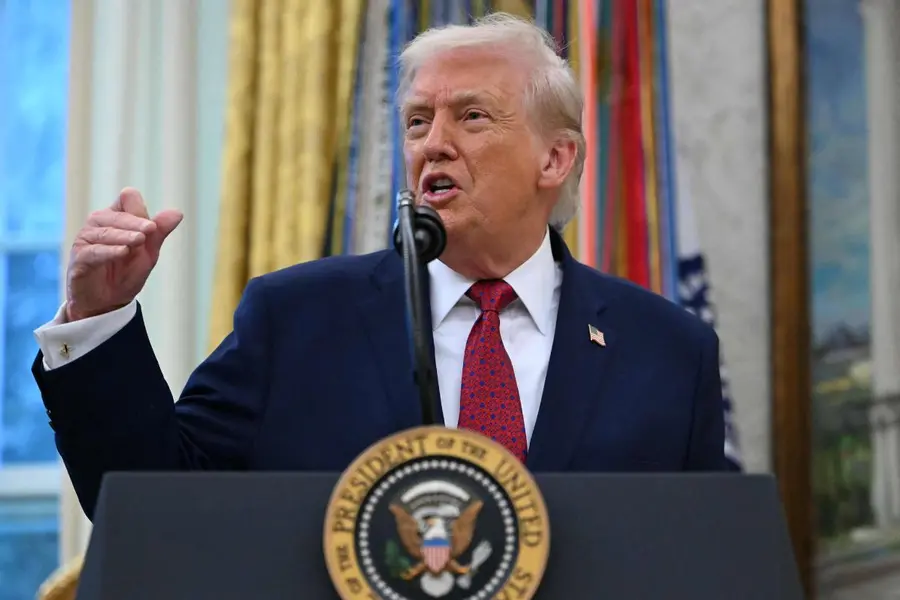
Washington DC: President Donald Trump has ordered the United States to withdraw from 66 international organisations while unveiling plans for a $1.5 trillion defence budget, signalling a sharp shift towards a “Fortress America” approach to global engagement.
Why is the US withdrawing from dozens of global organisations?
Also Read

In a presidential memorandum issued on January 7, President Donald Trump authorised the withdrawal of the United States from 66 international bodies, including 31 United Nations entities and 35 non-UN organisations. The move follows a review launched soon after his February 2025 inauguration to assess whether US participation in multilateral institutions aligned with national interests. Administration officials argue many of these organisations are “wasteful, ineffective, or harmful” and fail to deliver tangible benefits for American taxpayers.
Which international bodies are affected?
The pullback includes high-profile exits from climate, education and health-related institutions. The United States has moved to fully exit the United Nations Framework Convention on Climate Change, effectively withdrawing from global climate agreements. UNESCO, which the US had rejoined under the previous administration, is again facing an American exit. The World Health Organization is also under renewed threat, echoing Trump’s first-term criticism of alleged bias towards China. Other affected bodies span trade, human rights and environmental cooperation, with Washington either formally withdrawing, suspending funding or signalling future exits once legal timelines permit.
What is the administration’s justification?
Trump and senior officials say the withdrawals reflect an “America First” agenda focused on sovereignty, economic competitiveness and domestic priorities. Climate-related organisations have been criticised for placing regulatory burdens on US industries while, according to the administration, allowing major emitters to avoid comparable obligations. Secretary of State Marco Rubio has cited duplication, mismanagement and limited returns as reasons for cutting ties, while Trump has argued that billions spent on international bodies should instead be redirected towards border security, infrastructure and economic recovery.
How has the global response been shaping up?
The decision has strained US relations with allies and partners. European leaders have warned that the withdrawals weaken collective security and undermine multilateral cooperation. Analysts say rivals such as Russia and China stand to benefit from the vacuum created by reduced US engagement. Partners including India, Japan and Australia have expressed concern over Washington stepping back from forums where shared interests are traditionally coordinated.
What does the $1.5 trillion defence budget signal?
Alongside the withdrawals, Trump has proposed increasing the US defence budget to $1.5 trillion for fiscal year 2027, up from around $1 trillion. He has described the increase as necessary to build a “dream military”, with spending focused on nuclear modernisation, missile defence and cyber capabilities. The proposal comes despite the US already spending more on defence than the next ten countries combined.
What are the economic and political risks?
Critics warn that sustaining a $1.5 trillion defence budget could add an estimated $5.8 trillion to the national debt over a decade, which already stands at nearly $38 trillion. While defence stocks surged following the announcement, fiscal watchdogs argue the move contradicts Trump’s promises to curb government waste. Foreign policy experts caution that reducing diplomacy while expanding military spending risks weakening US influence, economic stability and long-term security.
Is this a new era of ‘Fortress America’?
Supporters view the strategy as a long-overdue correction to decades of overextension abroad. Detractors, however, describe it as neo-isolationist, warning that scaling back global engagement while ramping up military spending revives a “Fortress America” mindset that could erode US leadership in a deeply interconnected world.
Published: 08 Jan 2026, 11:26 pm IST
Related Topics
Disclaimer: Kindly avoid objectionable, derogatory, unlawful and lewd comments, while responding to reports. Such comments are punishable under cyber laws. Please keep away from personal attacks. The opinions expressed here are the personal opinions of readers and not that of Mathrubhumi.