
Hosting the BRICS Summit, India faces a major diplomatic challenge in brokering a consensus for a joint statement as Iran and the UAE clash over language regarding the West Asian conflict.
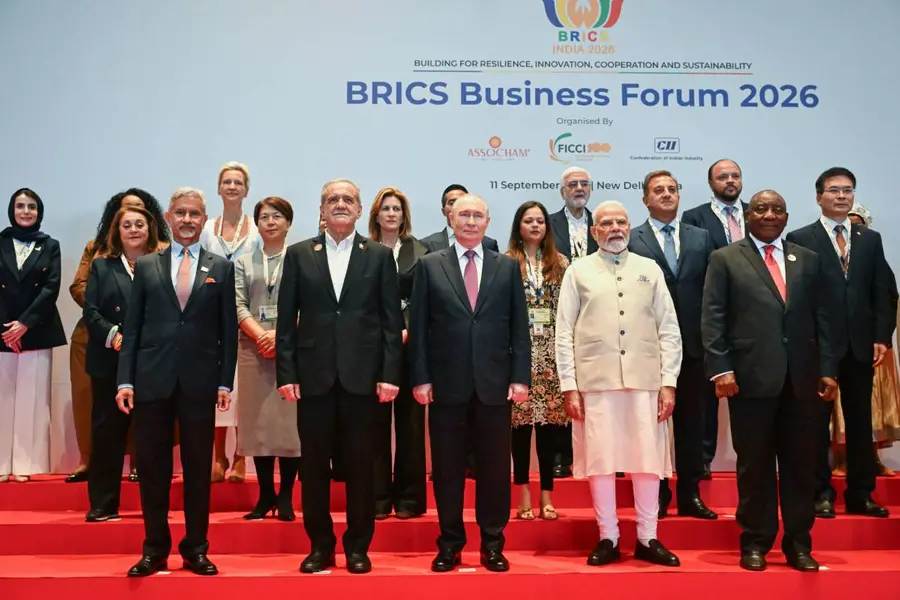
New Delhi: The uncertainty injected into global diplomacy by the West Asian crisis has cast a sharp international spotlight on the BRICS Summit. Behind the scenes, member nations are locked in intense negotiations over the wording of the summit’s final joint declaration.
Navigating the divergent stances on the West Asian war, the Russia-Ukraine conflict, and their broader geopolitical and economic ramifications has created a major diplomatic headache for the host nation, India, as it works to build consensus.
Reaching an agreement is proving exceptionally difficult, with West Asian actors directly opposed to one another – Iran on one side, and the UAE alongside Saudi Arabia on the other. Heavyweights China and Russia, both holding substantial influence over member states, are also deeply involved throughout the summit. The impasse has raised concerns that the summit might conclude without a joint statement, though Indian diplomatic officials remain hopeful that a compromise can be reached.
A joint declaration cannot entirely ignore the conflict involving Iran, Israel and the United States. Consequently, the framing and precise language used in the diplomatic draft are critical. Sharp differences have emerged between Iran and the UAE over how the hostilities should be referenced.
Iran demands condemnation; UAE cites attacks on sovereign territory
Iran is insisting that the declaration explicitly label the actions taken against it as unilateral aggression and a direct violation of the United Nations Charter. Conversely, the UAE demands that the statement acknowledge and include the attacks launched by Iran against its sovereignty and territorial integrity.
Despite these divisions, member nations reportedly share a common ground regarding Palestine. The summit is expected to retain language from the 2025 Brazil Summit declaration, which designates Gaza as an integral part of Occupied Palestinian Territory.
Published: 12 Sept 2026, 11:59 am IST
Related Topics
Disclaimer: Kindly avoid objectionable, derogatory, unlawful and lewd comments, while responding to reports. Such comments are punishable under cyber laws. Please keep away from personal attacks. The opinions expressed here are the personal opinions of readers and not that of Mathrubhumi.
