
Repeated battlefield failures from South Asia to Latin America are raising serious doubts over the reliability of Chinese-made weapons and radar systems in real combat conditions
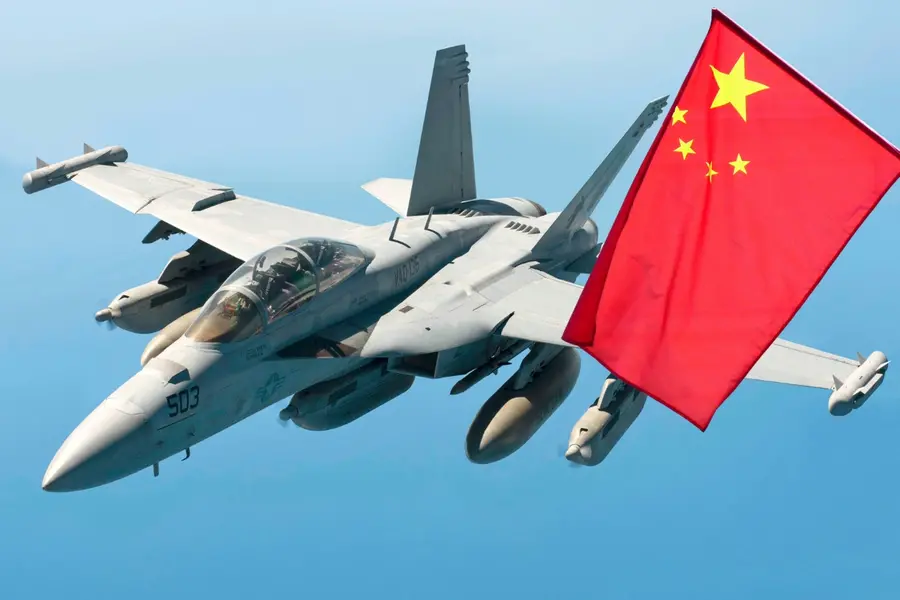
Recent military operations in South Asia and Latin America have exposed repeated failures of Chinese-made weapons and radar systems, raising questions over Beijing’s credibility as a global arms supplier.
How Operation Sindoor exposed Chinese defence systems
Also Read

Operation Sindoor, carried out by Indian forces in May last year, marked one of the most direct real-world tests of Chinese military exports. Pakistan, which sources nearly 82 per cent of its defence imports from China, relied heavily on Chinese-supplied air defence, missile, and fighter platforms during the operation.
Indian strikes reportedly penetrated Pakistan’s Chinese-made HQ-9 and HQ-16/LY-80 air defence systems with little resistance. These systems failed to intercept incoming missiles, including BrahMos strikes, even around strategically sensitive locations. The inability of these platforms to respond effectively became one of the most visible takeaways of the operation.
Missile failures and fighter jet underperformance
Beyond air defence, Chinese missile technology also came under scrutiny. The PL-15 beyond-visual-range air-to-air missile, promoted by China as a competitor to advanced Western systems, reportedly malfunctioned or failed to hit intended targets. Indian officials later displayed fragments of a recovered PL-15 missile that had landed without detonating, reinforcing doubts over its reliability.
Chinese-supplied fighter aircraft, including the J-10C and JF-17 Block III, were also unable to significantly challenge Indian air operations. Despite claims circulating online, there was no verified evidence of these jets gaining air superiority or delivering decisive results during the conflict.
Venezuela raid delivers another blow to Chinese technology
Similar weaknesses were exposed during the recent US military operation in Venezuela. American forces reportedly neutralised Chinese-supplied radar and communication systems with speed, allowing special forces aircraft to operate in and out of Venezuelan airspace with minimal resistance.
The operation, which lasted less than three hours, culminated in the capture of Venezuelan President Nicolás Maduro and his wife. Analysts noted that the ease with which US forces operated underscored Washington’s continued technological edge over Chinese-supplied systems.
JY-27A radar fails its biggest test
At the centre of the Venezuelan failure was China’s JY-27A long-range radar. Marketed by Beijing as a “stealth-killer” capable of detecting aircraft such as the F-35, the radar reportedly proved slow to react and ineffective during the US raid.
The JY-27A is a key component of China’s air defence ambitions, designed to counter advanced platforms including the F-22, B-2, and next-generation B-21 bombers. Its reported inability to detect or respond to US aircraft has been described as a major embarrassment for Chinese defence technology.
Russian systems integrated with Chinese radars also falter
Venezuela had also invested heavily in Russian-made S-300 air defence systems and Pantsir-S1 gun-missile platforms, which were integrated with Chinese radar and communication networks. Despite this layered defence, none of the systems reportedly engaged US aircraft during the operation.
The Pantsir-S1, specifically designed to counter drones and low-flying helicopters, failed to respond to the very types of platforms used during the raid. Analysts highlighted that the issue was not limited to individual weapons, but also to system integration and reaction speed.
Impact on China’s global arms reputation
Together, the failures in Operation Sindoor and the Venezuela raid have intensified scrutiny of Chinese military exports. Defence buyers increasingly differentiate between systems tested in real combat and those proven mainly through exercises and demonstrations.
While some Chinese analysts have argued that the US operation targeted a weaker opponent and should not be used as a benchmark against major powers, repeated battlefield shortcomings have nonetheless damaged Beijing’s reputation. The incidents have opened space for rival suppliers, including India and Western nations, to highlight proven combat performance over marketing claims.
What this means for future conflicts
The back-to-back exposure of weaknesses across missiles, radars, air defence systems, and fighter aircraft suggests a broader gap between Chinese defence claims and real-world performance. For countries relying heavily on Chinese hardware, these events raise critical questions about readiness, reliability, and long-term security planning in high-intensity conflicts.
Published: 08 Jan 2026, 06:02 pm IST
Disclaimer: Kindly avoid objectionable, derogatory, unlawful and lewd comments, while responding to reports. Such comments are punishable under cyber laws. Please keep away from personal attacks. The opinions expressed here are the personal opinions of readers and not that of Mathrubhumi.