
With fuel shipments halted for three months, the island is suffering from severe blackouts that have shuttered power plants and paralyzed essential services.
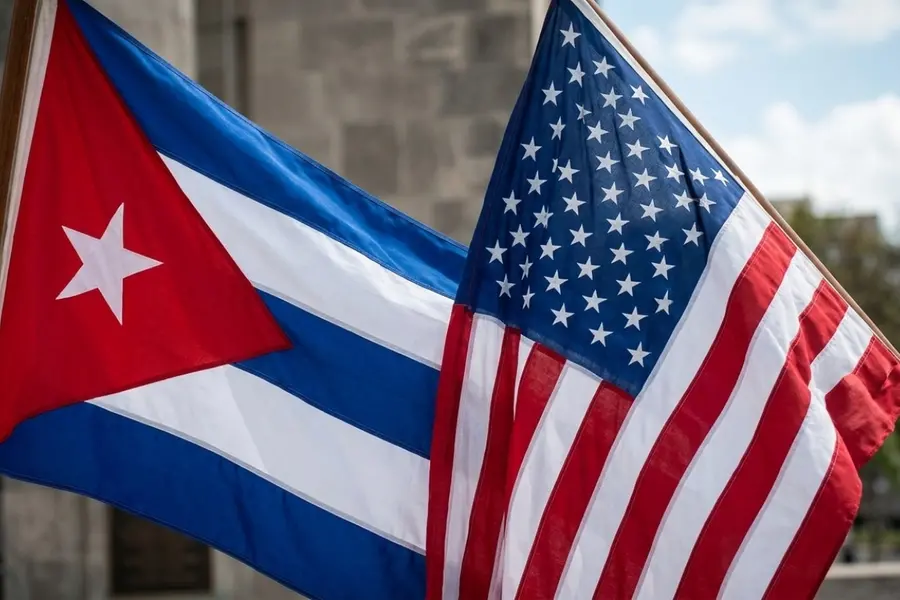
President Miguel Díaz-Canel confirmed on Friday that Cuba has entered into formal discussions with the U.S. government, the first official acknowledgement of such contact as the island nation faces a paralysing energy crisis.
Díaz-Canel stated that the dialogue was "aimed at finding solutions through dialogue to the bilateral differences between our two nations. International factors facilitated these exchanges." While he declined to specify those factors or the location of the talks, the White House pointed to recent remarks by President Donald Trump, who has suggested that a deal is necessary for Cuba to avoid a collapse similar to that of Venezuela.
U.S. officials confirmed on Friday that Secretary of State Marco Rubio met secretly in late February with Raúl Guillermo Rodriguez Castro, the grandson of retired leader Raúl Castro, on the sidelines of a regional summit in St. Kitts and Nevis.
A Nation in Darkness
The push for diplomacy comes as Cuba's electrical grid nears a total breakdown. Díaz-Canel revealed that no petroleum shipments have reached the island in three months, a situation he attributed to a U.S. "energy blockade." The island is currently forced to rely on natural gas, thermoelectric plants, and solar power, but the depletion of diesel and fuel oil has shuttered two major power plants.
The president noted that while Cuba produces 40% of its own petroleum, it is insufficient to meet demand. The resulting blackouts have paralysed transportation and education while forcing the postponement of tens of thousands of surgeries.
"Even with everything we’re putting together, we still need oil," Díaz-Canel said, adding that "without energy, no country can produce at normal levels." To cope, the government has converted over 115 bakeries to use firewood or coal.
"Cubans are desperate," said Elvis Hernández, 62. "You can’t live without water or electricity. That’s why we want a consensus to be reached."
Diplomatic and Geopolitical Stakes
The crisis has become so acute that the State Department is considering a staff drawdown at the U.S. Embassy in Havana, as fuel shortages threaten daily diplomatic operations. Brian Fonseca of Florida International University warned that such a move could hinder U.S. intelligence, noting that "the diplomatic staff are your eyes and ears on the ground."
The energy deficit spiked after U.S. military actions in Venezuela halted critical oil shipments to the island. President Trump recently warned that Cuba is "very much at the end of the line," citing the regime's lack of resources and its "bad philosophy."
Security Cooperation
In a rare sign of functional cooperation, Díaz-Canel announced that FBI officials are expected to visit the island soon. The visit follows a violent maritime incident involving a Florida-flagged vessel in which five Cuban nationals from the U.S. died after an alleged shootout with local troops. The survivors remain in custody, facing terrorism charges.
Días-Canel said the goal of the broader U.S. talks is "to determine the willingness of both parties to take concrete actions for the benefit of the people of both countries" and to "guarantee the security and peace of both nations."
With inputs from AP
Published: 13 Mar 2026, 11:54 pm IST
Related Topics
Disclaimer: Kindly avoid objectionable, derogatory, unlawful and lewd comments, while responding to reports. Such comments are punishable under cyber laws. Please keep away from personal attacks. The opinions expressed here are the personal opinions of readers and not that of Mathrubhumi.
