
The geopolitical backdrop remains tense after the US and Israel carried out strikes on Iran on February 28, triggering Iranian missile and drone responses across the region.
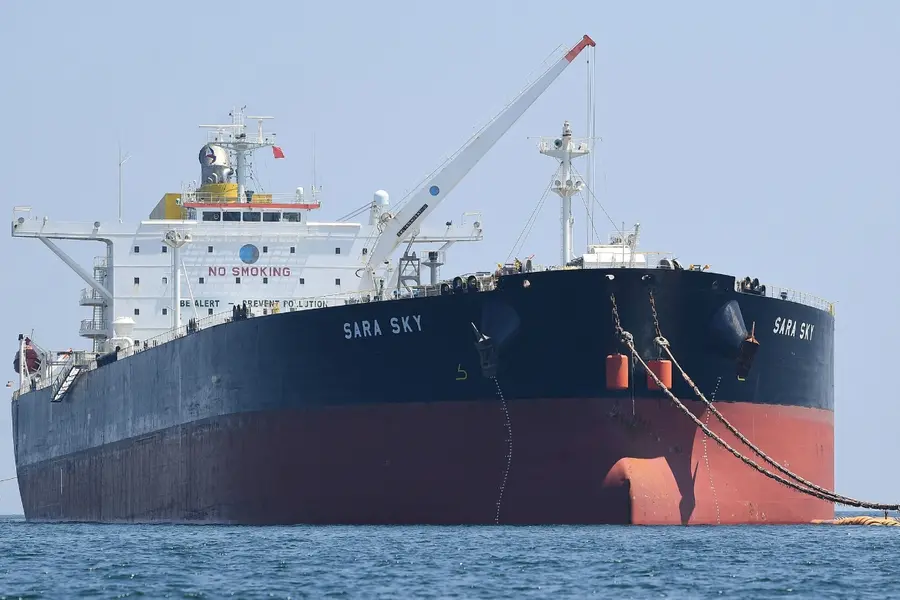
Tokyo: Global oil prices tumbled more than five per cent on Monday amid growing hopes of a possible diplomatic breakthrough to end the US-Iran conflict, while Asian equity markets opened higher on improved risk sentiment.
However, US President Donald Trump tempered expectations of an imminent agreement, signaling caution over negotiations.
As of around 2300 GMT Sunday, Brent crude fell 5.1% to $98.22 per barrel, while West Texas Intermediate (WTI) dropped 5.2% to $91.57 before partially recovering.
Japan’s Nikkei index surged more than 2.5% by around 0030 GMT, reflecting investor optimism. Sydney edged higher, while Hong Kong and Seoul markets were closed for public holidays.
Trump, in a Sunday social media post, downplayed expectations of a swift resolution, saying:
“I have informed my representatives not to rush into a deal in that time is on our side.”
The geopolitical backdrop remains tense after the US and Israel carried out strikes on Iran on February 28, triggering Iranian missile and drone responses across the region.
Also read | Why US Secretary Marco Rubio said ‘Every country has stupid people’ during India visit
While a ceasefire has been in place since April 8, mediated efforts continue toward a broader settlement. However, tensions persist as Tehran maintains controls on Gulf shipping routes, while Washington continues its blockade of Iranian ports.
Lasting peace
Iranian officials confirmed the existence of a draft agreement but stressed that -- despite the long-standing US demand for an end to its uranium enrichment -- talks on the issue of Iran's contested nuclear program have been deferred for 60 days after any deal.
Iranian President Masoud Pezeshkian told state television that Tehran was "still prepared to assure the world that we are not seeking nuclear weapons," but it was unclear if this promise would be enshrined in the text of the deal.
According to Iran's Fars news agency, "sanctions on oil, gas, petrochemicals and their derivatives would be temporarily lifted during the negotiation period so that Iran can freely sell its products."
Also read | Will Strait of Hormuz reopen soon? Trump says Iran deal ‘largely negotiated’
Leaders from Saudi Arabia, the United Arab Emirates, Qatar, Egypt, Jordan and Bahrain, as well as representatives from Turkey and Pakistan, joined a call with Trump to discuss the deal on Saturday.
Pakistan, which mediated historic face-to-face negotiations between US and Iranian delegations in April, hopes to host another round of talks "very soon," Prime Minister Shehbaz Sharif said.
He said Pakistan's army chief Asim Munir, who visited Tehran on Friday and Saturday, also joined the call, which "provided a useful opportunity... to move the ongoing peace efforts forward to bring lasting peace in the region."
Published: 25 May 2026, 06:28 am IST
Related Topics
Disclaimer: Kindly avoid objectionable, derogatory, unlawful and lewd comments, while responding to reports. Such comments are punishable under cyber laws. Please keep away from personal attacks. The opinions expressed here are the personal opinions of readers and not that of Mathrubhumi.
