
Vasanta Purnima 2026 will be observed on March 4, marking the Phalguna full moon. Devotees will undertake fasting, moon worship and prayers symbolising renewal and balance.
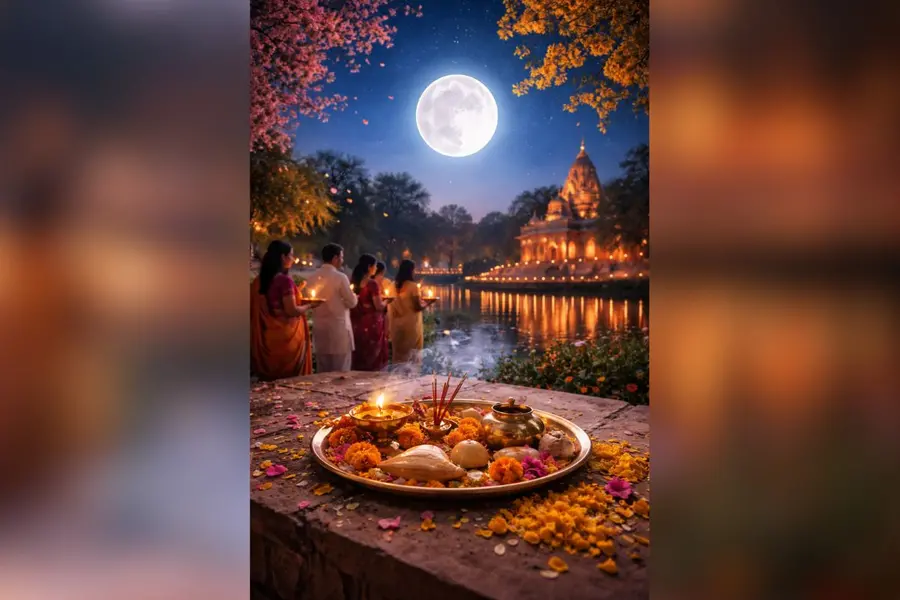
New Delhi, Feb 25: Vasanta Purnima, the sacred full moon day associated with the spring (Vasanta) season in the Hindu lunar calendar, will be observed on Wednesday, March 4, 2026. Falling in the month of Phalguna, the occasion is marked by fasting, prayers, charity and moon-centred rituals symbolising renewal, balance, and spiritual illumination.
According to traditional Panchang calculations based on Indian Standard Time (IST), the Purnima tithi is expected to begin at approximately 08.57 AM on March 3, 2026, and end at around 06.04 AM on March 4, 2026. As the full moon tithi prevails at sunrise on March 4, that day will be observed as Vasanta Purnima.
Vasanta Purnima derives its significance from the confluence of the full moon phase and the spring season, a period culturally associated with regeneration, blossoming nature, and heightened positive energy.
Also Read

While not as widely publicised as festivals such as Holi or Basant Panchami, the day holds quiet importance in several Hindu traditions, particularly among devotees who observe monthly Purnima fasts.
Religious scholars note that full moon days are considered spiritually potent, believed to enhance clarity, introspection and emotional equilibrium. “Purnima represents completeness and illumination. In the Vasanta season, it also reflects nature’s renewal and abundance,” said a Delhi-based priest.
Across many regions, devotees observe upvas (fasting), either complete or partial, followed by Chandra Puja (moon worship) after dusk.
Offerings of water, flowers, sandalwood paste and prayers are made to the Moon (Chandra), regarded in Vedic tradition as a deity linked to the mind, emotions and intuition.
Common observances include:
- Fasting and prayer: Devotees abstain from food or consume light sattvic meals.
- Moon worship: Ritual offerings and chanting under moonlight.
- Meditation and mantra recitation: Practices focused on inner calm and reflection.
- Charity (daan): Donations to the needy, considered auspicious on Purnima.
The day is also seen as favourable for spiritual disciplines, including reading sacred texts, performing Satyanarayan Puja in some households, and engaging in acts promoting compassion and harmony.
Astrologically, the Phalguna full moon often carries symbolic associations with emotional release, creativity and closure of cycles before the transition into the new lunar phase. Experts advise devotees to consult regional Panchangs, as exact timings can vary slightly by location.
Vasanta Purnima arrives during a festive period in the Hindu calendar, leading up to Holi, the festival of colours, which typically follows in Phalguna. The seasonal backdrop of blooming flora and milder weather further accentuates the day’s theme of rejuvenation.
Temples and spiritual centres across India are expected to witness special prayers, though celebrations are generally more serene and reflective rather than grand. Many households light lamps, perform simple rituals, and spend the evening in devotional activities.
With the full moon illuminating the spring sky, Vasanta Purnima 2026 will once again offer devotees a moment to align with nature’s rhythms and seek spiritual clarity.
Published: 25 Feb 2026, 02:36 pm IST
Disclaimer: Kindly avoid objectionable, derogatory, unlawful and lewd comments, while responding to reports. Such comments are punishable under cyber laws. Please keep away from personal attacks. The opinions expressed here are the personal opinions of readers and not that of Mathrubhumi.