
Chikungunya infections are rising across multiple districts in Tamil Nadu, triggering a statewide alert by health authorities amid fears of rapid community spread during peak mosquito-breeding season.
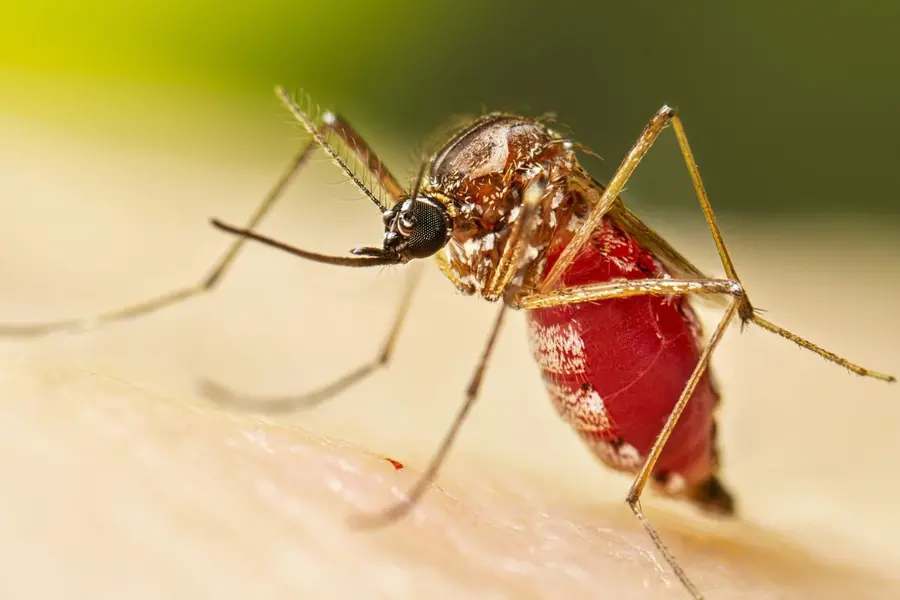
Tamil Nadu is witnessing a worrying uptick in Chikungunya infections, prompting the state health department to issue a statewide alert and intensify surveillance, diagnosis, and mosquito-control measures across vulnerable districts.
According to officials from the Directorate of Public Health and Preventive Medicine, recent weeks have seen a noticeable rise in cases in Chennai, Villupuram, Tenkasi, Theni, Cuddalore, Chengalpattu, Kancheepuram, and Ariyalur, raising concerns of wider community transmission if containment efforts falter.
Health authorities warned that current climatic conditions are highly favourable for mosquito breeding, increasing the risk of rapid spread.
Chikungunya is transmitted primarily by Aedes aegypti mosquitoes, which thrive in clean, stagnant water commonly found in household containers, discarded tyres, and construction sites.
Symptoms to Watch For
Doctors have reported patients presenting with:
- Sudden high fever
- Severe joint pain (often debilitating and long-lasting)
- Muscle aches and headaches
- Extreme fatigue or drowsiness
Officials stressed that while chikungunya is rarely fatal, joint pain can persist for months, severely affecting quality of life, especially among the elderly and those with existing health conditions.
Tightened Surveillance & Hospital Readiness
To curb further transmission, district health teams have been instructed to:
- Intensify fever surveillance in high-risk localities
- Ensure IgM ELISA testing for early laboratory confirmation
- Mandate daily reporting from both government and private hospitals
All designated dengue and chikungunya wards must remain mosquito-free, with adequate bed capacity and mosquito nets. Medical colleges and sentinel hospitals have been directed to maintain sufficient stocks of approved diagnostic kits.
Emergency Response on Standby
Rapid Response Teams have been placed on alert across districts to handle sudden spikes. Training programmes based on updated national treatment guidelines are being rolled out for doctors, nurses, and frontline workers to ensure early diagnosis and proper clinical management.
Crackdown on Mosquito Breeding
District Collectors have been asked to coordinate inter-departmental action, including:
- Weekly mass-cleaning drives
- Daily larval surveillance
- Fogging in high-risk zones
- Mandatory use of larvicides in large water-storage containers
Health inspectors and entomologists are intensifying efforts to eliminate stagnant water sources at the community level.
Public Advisory
Health officials urged residents to play an active role by:
- Scrubbing water containers weekly
- Using mosquito nets and repellents
- Wearing full-sleeve clothing
- Ensuring proper waste disposal
Authorities warned that any lapse in vigilance could allow chikungunya to spread rapidly, with compliance and action-taken reports to be reviewed daily.
Published: 22 Jan 2026, 10:11 am IST
Related Topics
Disclaimer: Kindly avoid objectionable, derogatory, unlawful and lewd comments, while responding to reports. Such comments are punishable under cyber laws. Please keep away from personal attacks. The opinions expressed here are the personal opinions of readers and not that of Mathrubhumi.
