
Chikungunya is transmitted by the Aedes mosquito and causes high fever, rashes, and often prolonged joint pain that can last for weeks or months.
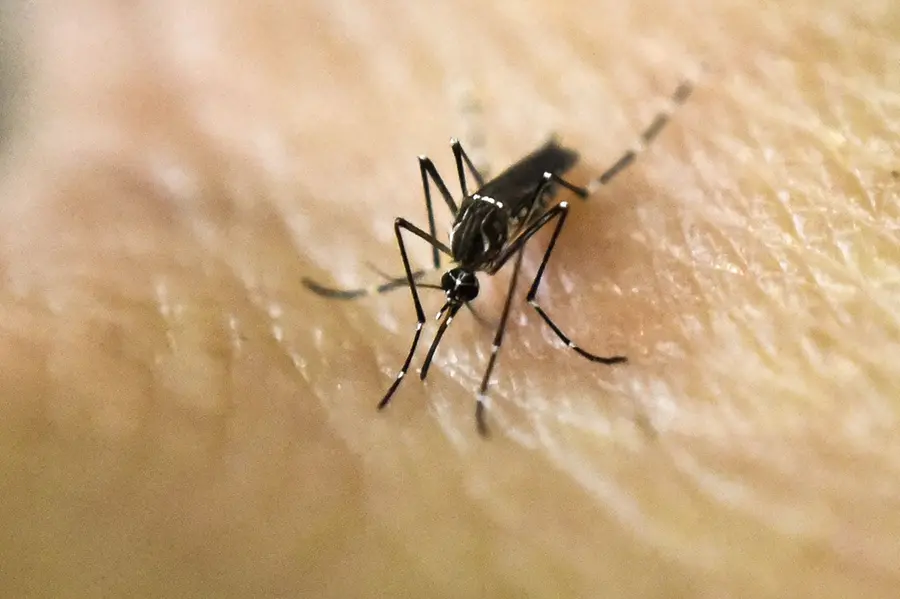
New Delhi: Mosquito saliva may play a surprising role in shaping how the human body responds to chikungunya virus (CHIKV) infection, according to new research from scientists in Singapore.
The study, published in Nature Communications, reveals that a bioactive peptide found in Aedes mosquito saliva — known as sialokinin — interacts with the body’s immune system in a way that could influence both inflammation and the progression of the virus.
Researchers at Singapore’s ASTAR Infectious Diseases Labs (ASTAR IDL) discovered that sialokinin binds to neurokinin receptors on immune cells, temporarily suppressing the activation of monocytes — a type of white blood cell. This early suppression helps reduce inflammation and allows the virus to spread more easily throughout the body in the initial stages of infection.
“This study provides compelling evidence that mosquito salivary proteins are not merely passive carriers of viruses but active modulators of host immunity,” said Dr Siew-Wai Fong, Senior Scientist at A*STAR IDL and the study’s corresponding author.
Dr Fong noted that targeting sialokinin or its interaction with receptors could offer a novel therapeutic strategy to control inflammation and improve outcomes in chikungunya and possibly other mosquito-borne illnesses.
Key findings of the study are as listed below.
- Sialokinin is a naturally occurring protein in Aedes mosquito saliva.
- It binds to immune cell receptors and temporarily suppresses inflammation in early infection.
- This facilitates early viral dissemination, which may contribute to more severe symptoms later.
- Patients with more severe chikungunya symptoms were found to have higher levels of antibodies against sialokinin, suggesting a stronger immune reaction to the protein.
The research adds important new insights into vector-host interactions, particularly in the context of emerging infectious diseases. With climate change driving the global spread of mosquito-borne viruses such as chikungunya, dengue, and Zika, the findings point to potential new targets for vaccines or treatments aimed at neutralising mosquito salivary factors.
Chikungunya is transmitted by the Aedes mosquito and causes high fever, rashes, and often prolonged joint pain that can last for weeks or months.
Understanding how mosquito saliva interacts with the human immune system may help scientists develop better strategies to reduce the severity of these illnesses, or even prevent them altogether.
IANS
Published: 22 Oct 2025, 01:35 pm IST
Related Topics
Disclaimer: Kindly avoid objectionable, derogatory, unlawful and lewd comments, while responding to reports. Such comments are punishable under cyber laws. Please keep away from personal attacks. The opinions expressed here are the personal opinions of readers and not that of Mathrubhumi.
