
China combats largest chikungunya outbreak with insecticide, drones, fines; over 7,000 cases reported.
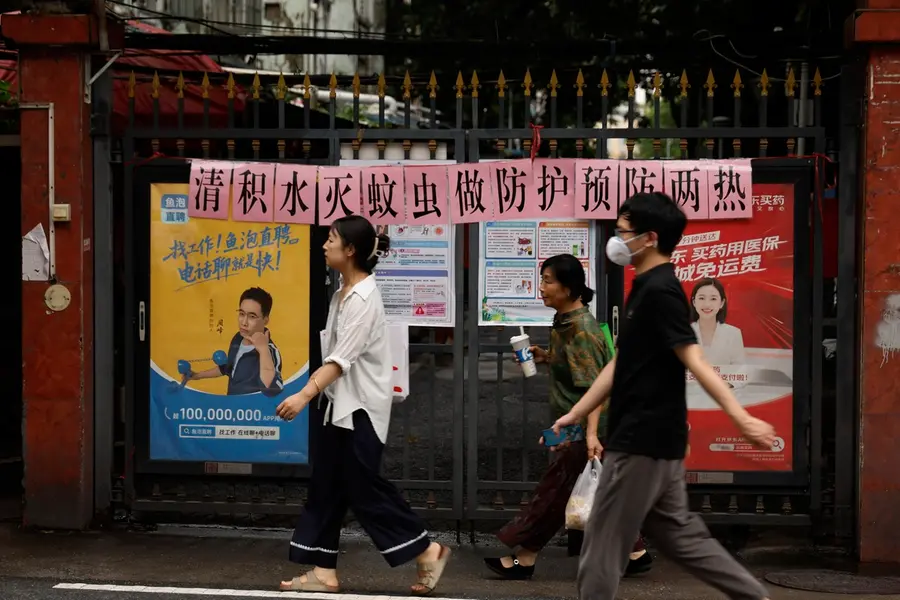
Chinese authorities are combating a large outbreak of the mosquito-borne chikungunya virus, which has infected over 7,000 people mainly in Foshan, a southern manufacturing hub about 170 km from Hong Kong. The number of new cases is reportedly slowing, but this marks the largest chikungunya outbreak ever recorded in mainland China.
Measures include spraying insecticide in city streets, residential areas and construction sites. Drones are deployed to locate standing water, the breeding grounds for mosquitoes. Authorities have also distributed mosquito nets and warned residents to empty outdoor containers that collect water, with fines up to 10,000 yuan ($1,400) and potential electricity disconnection for non-compliance.
Unseasonal heavy rains and high temperatures have worsened the crisis this year in China. According to experts, chikungunya outbreaks have increased globally since 2000 alongside other mosquito-borne diseases such as dengue and Zika.
Robert Jones from the London School of Hygiene and Tropical Medicine noted chikungunya’s spread to nearly 50 countries in the Americas after its 2013 appearance in St. Martin, resulting in over one million suspected cases.
“What makes this event notable is that chikungunya has never been established in mainland China before,” said César López-Camacho of the University of Oxford. “This suggests that most of the population had no preexisting immunity, making it easier for the virus to spread quickly.”
China’s response reflects its history of strict epidemic control, seen during SARS and the COVID-19 pandemic. Foshan patients are required to remain hospitalised for at least a week, and a two-week home quarantine was briefly enforced before being dropped, as the virus is not spread person-to-person.
International concerns and advisories
Due to the outbreak, the US has issued a travel advisory recommending that visitors to Guangdong province, where Foshan is located, take extra precautions. Other regions affected by chikungunya include Bolivia and some Indian Ocean islands.
Officials have also trialled biological controls, such as introducing fish that consume mosquito larvae and larger mosquito species that prey on the virus carriers. National-level meetings and protocols underline China’s determination to eliminate the outbreak and avoid international criticism.
Understanding chikungunya
Chikungunya is caused by a virus transmitted through infected mosquitoes and typically causes fever, muscle pain, nausea, fatigue and rash. The virus was first identified during an outbreak in Tanzania in 1952; its name derives from the Makonde language, meaning “that which bends up” due to the severe joint pain it can cause.
Most infected individuals recover within one to two weeks without medical treatment. However, in rare severe cases, debilitating joint pain can persist for months or years, sometimes necessitating hospitalisation due to risks like organ damage. Deaths are uncommon and mostly affect babies or elderly patients with preexisting conditions.
Currently, there is no specific treatment, though symptom relief is available. Vaccines approved in some countries mainly target travellers and are not widely accessible in heavily affected areas.
Published: 09 Aug 2025, 09:39 am IST
Related Topics
Disclaimer: Kindly avoid objectionable, derogatory, unlawful and lewd comments, while responding to reports. Such comments are punishable under cyber laws. Please keep away from personal attacks. The opinions expressed here are the personal opinions of readers and not that of Mathrubhumi.
