
Researchers identify bioactive compounds that reduced Chikungunya viral load by over 90% in laboratory tests.
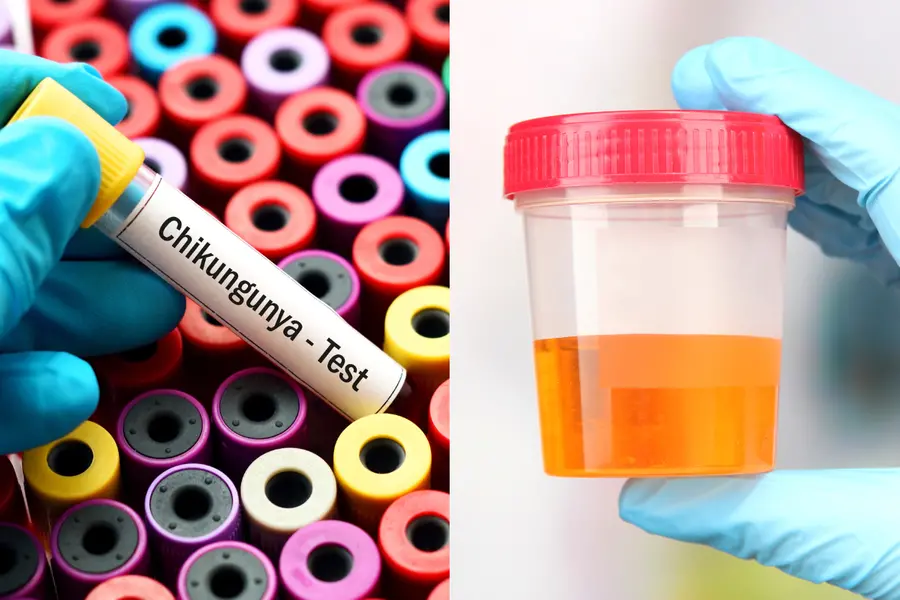
An IIT Roorkee-led study has identified antiviral compounds in Ayurvedic cow urine distillate that suppressed the Chikungunya virus in laboratory experiments, offering a potential new avenue for developing affordable, plant and nature-derived antiviral therapies.
The research, published in the journal ACS Agricultural Science & Technology, found that cow urine distillate (CUD), known in Ayurveda as Gau Mutra Ark, reduced Chikungunya viral levels by more than 90% at non-toxic concentrations. Researchers reported even stronger results when the distillate was combined with thymoquinone, a bioactive compound from Nigella sativa (black seed), and piperine from black pepper, achieving a reduction of nearly 99.85% in viral load under controlled laboratory conditions.
The study was conducted by Prof. Shailly Tomar and researchers from the Department of Biosciences and Bioengineering at IIT Roorkee, along with collaborators from Ayurveda and biomedical research institutions across India.
Using a combination of virology, metabolomics, molecular modelling and biochemical analysis, the team identified several compounds that appear to play a key role in the antiviral effect. Among them, benzoic acid, hippuric acid and oleic acid emerged as the most promising candidates.
According to the researchers, these naturally occurring molecules were found to interact with viral proteins essential for the replication of the Chikungunya virus (CHIKV), potentially disrupting the virus's ability to multiply inside host cells.
Chikungunya is a mosquito-borne viral disease transmitted mainly by Aedes mosquitoes. It causes high fever, severe joint pain, fatigue and, in some cases, prolonged health complications that can persist for months. Despite recurring outbreaks across tropical and subtropical regions, treatment options remain largely supportive, with no widely available antiviral drug specifically targeting the virus.
The findings could therefore contribute to ongoing efforts to identify new antiviral candidates from traditional medicinal sources.
"Emerging and re-emerging viral diseases demand innovative, affordable, and scientifically validated solutions," said Prof. Kamal Kishore Pant, Director of IIT Roorkee. He noted that the study highlights the potential of combining traditional knowledge systems with modern biotechnology to address pressing public health challenges.
Prof. Shailly Tomar, the study's corresponding author, said the research goes beyond demonstrating antiviral activity by pinpointing the specific molecules responsible for the effect. She added that the results also highlight the value of synergistic natural formulations in antiviral research.
Researchers cautioned that the findings are based on laboratory investigations and that further pre-clinical studies, safety assessments and translational research will be necessary before any therapeutic application can be considered.
The project received support from the Ministry of AYUSH and involved extensive laboratory validation alongside computational screening techniques. The researchers said the work adds to growing scientific interest in exploring natural bioactive compounds for the development of future antiviral interventions.
With ANI inputs
Published: 20 Jun 2026, 06:32 pm IST
Related Topics
Disclaimer: Kindly avoid objectionable, derogatory, unlawful and lewd comments, while responding to reports. Such comments are punishable under cyber laws. Please keep away from personal attacks. The opinions expressed here are the personal opinions of readers and not that of Mathrubhumi.
