
Tamil Nadu Assembly has passed a resolution opposing a delimitation exercise that could alter the state’s parliamentary representation. Here’s what the resolution seeks and why southern states are concerned.
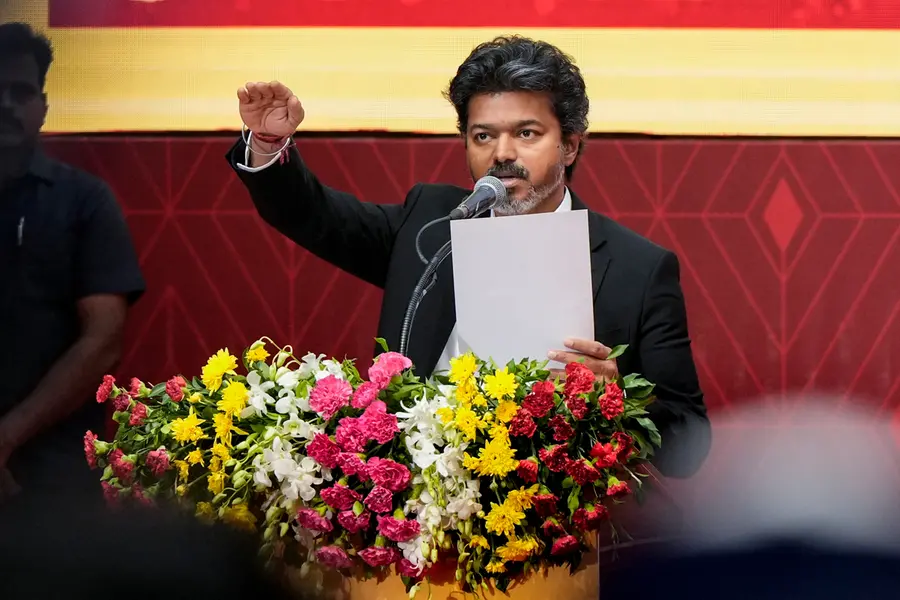
Chennai: The Tamil Nadu Assembly on Wednesday passed a resolution opposing any delimitation exercise that could reduce the state’s relative representation in Parliament, with Chief Minister C. Joseph Vijay urging the Centre to protect states that have successfully implemented population-control measures.
“It is Centre's duty to ensure that no State that implemented population control programmes is adversely affected by delimitation": TN CM Vijay said in Assembly.
Also Read

The Assembly also adopted a resolution urging the Centre to ensure 33% reservation for women in the 2029 Lok Sabha elections based on the existing 543 constituencies, with the provision to be extended to subsequent State Assembly elections.
What is Tamil Nadu opposing?
At the centre of the debate is delimitation, the process of redrawing electoral constituencies and determining the allocation of seats based on population.
Tamil Nadu’s concern is that if parliamentary seats are redistributed using more recent population figures, states that have recorded faster population growth could gain seats while states such as Tamil Nadu, which have achieved lower population growth, could see their relative representation decline.
The Assembly resolution argues that this would disadvantage states that implemented population-control measures over several decades.
Why is 543 seats important?
The resolution urges the Centre to retain the Lok Sabha’s current strength of 543 elected seats rather than significantly increasing the number of constituencies as part of a future delimitation exercise.
Tamil Nadu also wants the existing proportional relationship between Lok Sabha and Rajya Sabha representation to be maintained.
The demand comes amid a broader national debate over whether the post-1971 freeze on the allocation of parliamentary seats should eventually be lifted.
What does the resolution say about women’s reservation?
The Tamil Nadu Assembly has also called for the 33% reservation for women to be implemented within the existing 543 Lok Sabha constituencies.
It further seeks the extension of the reservation to subsequent State Assembly elections.
The issue is connected to the wider implementation debate surrounding women's reservation in Parliament and State Assemblies.
Why are southern states concerned?
Tamil Nadu and several other southern states have argued that using population as the primary basis for redistributing parliamentary seats could penalise states that successfully reduced population growth.
Their argument is that population-control programmes were encouraged as national policy, and states that achieved lower fertility rates should not subsequently lose political representation because of those outcomes.
The delimitation debate therefore involves a wider question of how parliamentary representation should balance population, federalism and the interests of states with different demographic trajectories.
What happened with NEET?
The delimitation resolution comes a day after the Tamil Nadu Assembly passed resolutions concerning the National Eligibility cum Entrance Test (NEET) and the proposed Foreign Contribution (Regulation) Amendment Bill.
The state government has continued to oppose NEET, arguing that the examination conflicts with Tamil Nadu’s position on social justice and state rights.
BJP members walked out during the proceedings.
Analysis: why the resolution matters
The resolution adds Tamil Nadu to the growing political debate over the future allocation of parliamentary seats.
The central issue is not simply the number of Lok Sabha constituencies. It is about whether population growth should determine political representation after decades in which states were encouraged to pursue population stabilisation.
For Tamil Nadu, the concern is that a larger increase in seats for more populous states could alter the balance of representation between northern and southern states.
The resolution is therefore also a statement on federal representation and the relationship between demographic policy and political power.
However, an Assembly resolution itself does not change the constitutional framework governing delimitation. Any change to the existing arrangement would require action at the Union level and, depending on the proposal, constitutional amendments and the processes prescribed by law.
Published: 12 Aug 2026, 11:54 am IST
ABOUT THE AUTHOR
Disclaimer: Kindly avoid objectionable, derogatory, unlawful and lewd comments, while responding to reports. Such comments are punishable under cyber laws. Please keep away from personal attacks. The opinions expressed here are the personal opinions of readers and not that of Mathrubhumi.