
SpiceJet has signed an MoU to induct 10 aircraft as part of its calibrated expansion plan to rebuild capacity and restore its network.
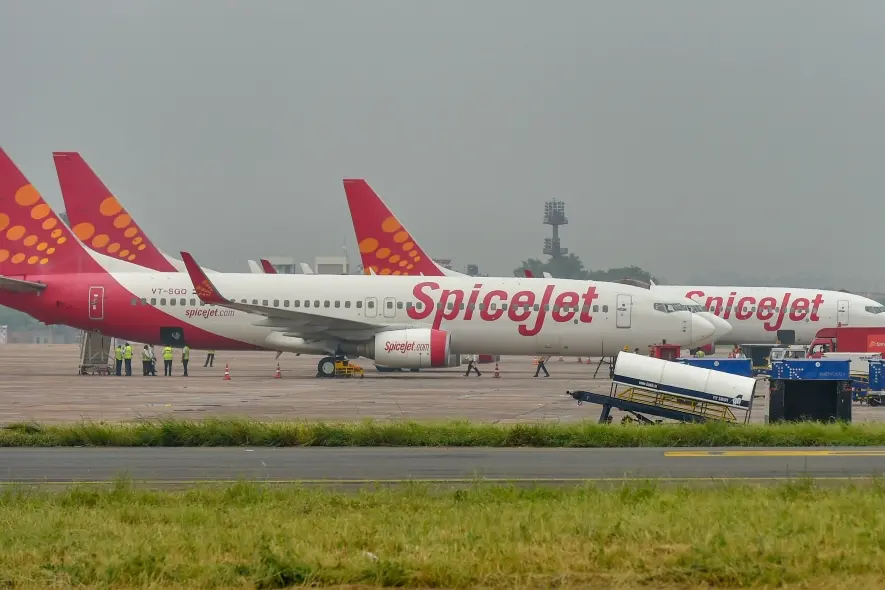
SpiceJet has announced that it has signed a Memorandum of Understanding (MoU) for the induction of 10 aircraft, marking a fresh step in its efforts to expand capacity and rebuild its flight network.
The airline said the move is part of its ongoing strategy to gradually scale up operations after a challenging period. Last week, SpiceJet’s Board approved a calibrated expansion plan to increase its fleet strength to 60 aircraft. The expansion will be carried out through a mix of damp leasing arrangements where aircraft are leased along with crew and maintenance support and the phased return of grounded aircraft back into service.
Debojo Maharshi, Chief Business Officer of SpiceJet, said the airline has already made significant progress. “Doubling our capacity in the last quarter has been a significant milestone. Our plans to more than double it again this year reflect growing confidence in the business and strong demand across our network,” he said.
Despite the expansion announcement, SpiceJet’s shares were trading lower during the day. The stock fell nearly 3% from its intraday high and was trading down by over 1 percent at ₹16.75 per share.
Market participants are closely watching the airline’s operational revival and fleet expansion plans amid intense competition in India’s aviation sector.
According to the latest aviation data for December IndiGo’s market share rose to 64.4 percent, compared to 63.6 percent in the previous month.
Air India’s market share increased to 26.4 percent from 24.4 percent month-on-month.
SpiceJet’s market share improved slightly to 3.3 percent from 3.1 percent while Akasa Air’s market share stood at 4.6 percent, marginally lower than 4.7 percent in the previous month.
The data indicates continued dominance by IndiGo in the domestic market, while other airlines are working to strengthen their presence.
SpiceJet’s latest move to induct more aircraft is seen as an attempt to regain capacity and improve its competitive position in the Indian aviation market.
Published: 19 Feb 2026, 05:09 pm IST
ABOUT THE AUTHOR

Disclaimer: Kindly avoid objectionable, derogatory, unlawful and lewd comments, while responding to reports. Such comments are punishable under cyber laws. Please keep away from personal attacks. The opinions expressed here are the personal opinions of readers and not that of Mathrubhumi.