
The Department of Telecom has warned that mobile users may now face legal liability if a SIM issued in their name is found to be misused for cyber fraud or other unlawful activities.
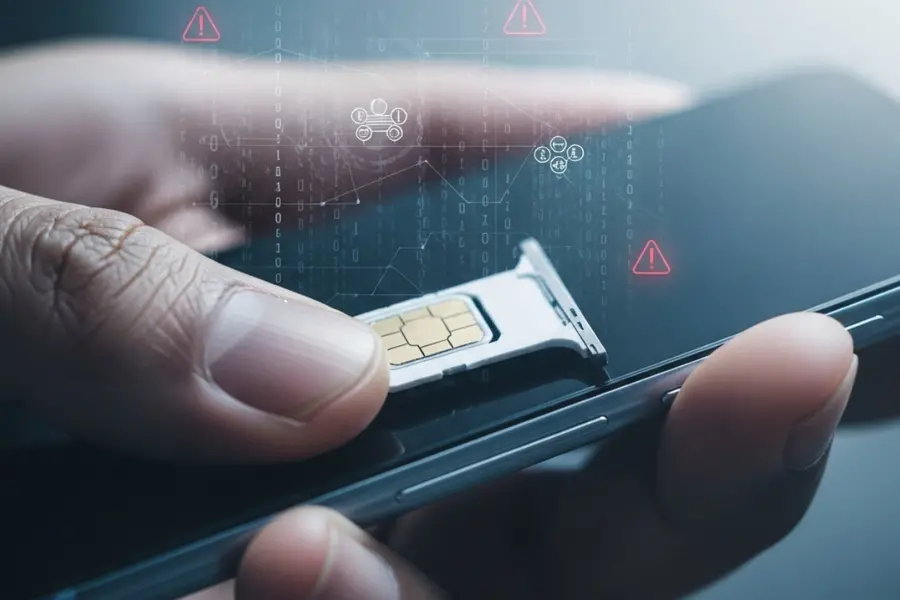
The Department of Telecom (DoT) has issued a stringent advisory stating that mobile subscribers could be held legally responsible if SIM cards issued in their name are used for cyber fraud, impersonation, or other illegal acts.
The move is part of the government’s expanded enforcement framework to curb telecom-enabled financial crime and identity misuse.
Also Read

According to the DoT’s statement, individuals must take direct responsibility for safeguarding their SIM cards and mobile devices, as any misuse traced back to a subscriber’s registered credentials can result in legal consequences under the Telecommunications Act, 2023.
Advisory warns against tampered devices and illegal procurement
The DoT has clearly outlined categories of high-risk practices that citizens must avoid. These include using mobile phones with tampered or duplicated IMEI numbers, employing illegally assembled devices such as SIM boxes, modems, or modules, and procuring SIM cards through fraudulent documents or impersonation.
The advisory further emphasises that subscribers should not hand over their SIM cards to third parties. Even if the misuse is committed by someone else, the registered user can be treated as an offender under applicable law.
Legal penalties under Telecommunications Act, 2023
The Telecommunications Act, 2023 introduces severe penalties for tampering with telecommunication identifiers such as IMEI numbers—critical components that anchor a device’s lawful identity. Violations may attract imprisonment of up to three years, fines of up to Rs 50 lakh, or both.
Complementing the Act, the Telecommunications (Telecom Cyber Security) Rules, 2024 prohibit any form of alteration, possession, or use of equipment in which IMEIs can be modified or configured, strengthening the government’s technical enforcement architecture.
High-risk applications and spoofing tools also prohibited
The DoT advisory specifically warns against the use of mobile applications and websites that manipulate Calling Line Identity (CLI) or other telecom identifiers, as these technologies are routinely exploited in cyber fraud, phishing campaigns, and caller-ID spoofing operations.
Such tools distort the integrity of telecom networks and undermine national cyber security. The advisory urges citizens to remain vigilant and refrain from engaging with any services designed to mask or alter original communication identifiers.
Sanchar Saathi: Verification tools for safer telecom usage
To empower users, the government’s Sanchar Saathi initiative provides digital verification tools to authenticate devices and mobile connections. Through the portal or mobile app, citizens can verify a device’s IMEI status, manufacturer details, and active mobile connections linked to their ID.
This framework is designed to prevent unauthorised connections, identity theft, and handset misuse. The initiative also integrates real-time reporting mechanisms for lost or stolen phones, contributing to a more secure digital communications environment.
Strengthening the security ecosystem
The DoT reiterated that these measures are essential to preserving the integrity of India’s telecom infrastructure, a sector increasingly targeted by cybercriminals utilising spoofed devices and fraudulent SIM identities. The enhanced liability norms, coupled with technological safeguards, are intended to build a secure, accountable, and resilient telecom ecosystem for all users.
Published: 24 Nov 2025, 03:39 pm IST
Related Topics
Disclaimer: Kindly avoid objectionable, derogatory, unlawful and lewd comments, while responding to reports. Such comments are punishable under cyber laws. Please keep away from personal attacks. The opinions expressed here are the personal opinions of readers and not that of Mathrubhumi.