
Rahul Gandhi has accused the Election Commission of creating nationwide chaos under the Special Intensive Revision (SIR) exercise
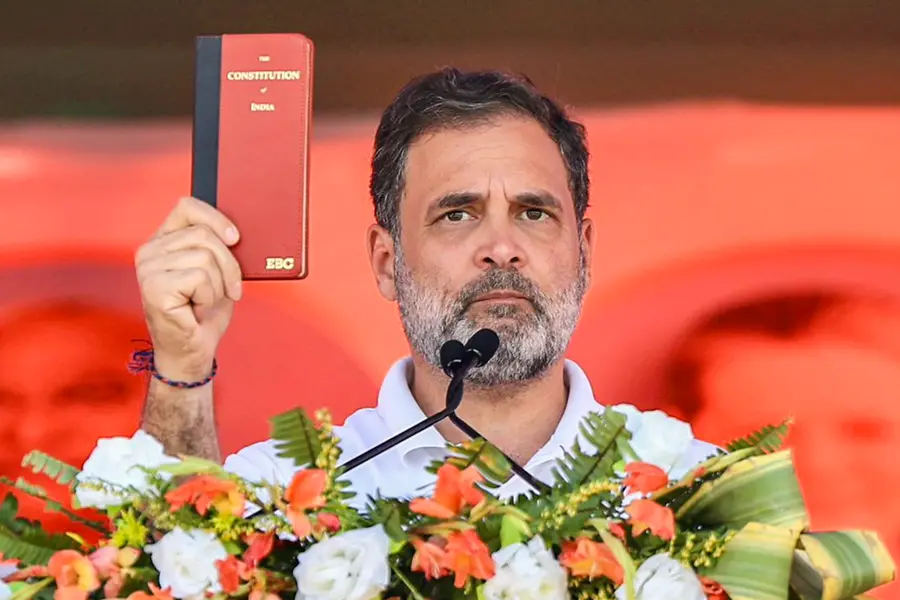
New Delhi: Rahul Gandhi has sharply criticised the Election Commission of India’s Special Intensive Revision (SIR), claiming that the updated voter list exercise has turned into an oppressive, high-pressure campaign.
Citing reports that 16 Booth Level Officers (BLOs) have died in three weeks due to stress, overwork, heart attacks and suicides, he alleged that SIR is “no reform but an imposed tyranny”.
Also Read

What is the SIR and why is it being implemented?
The Special Intensive Revision is a voter roll overhaul conducted periodically by the Election Commission to clean up electoral lists by removing duplicate, dead or migrated voters, and updating entries.
The ongoing SIR has required BLOs across states to digitise and verify large volumes of voter data in a compressed timeframe. According to the Commission, more than 7.2 crore forms have already been handled during this phase.
Opposition parties have argued that the process is being rushed, leading to overwhelming pressure on ground staff and growing instances of alleged irregularities. Court petitions and media reports from states such as Bihar, Kerala and West Bengal have referred to forged forms, data being uploaded without voter consent, and exhausted BLOs struggling to meet deadlines. Rahul Gandhi cited these developments to claim that the deaths of BLOs are being dismissed as “collateral damage”.
Why does Rahul Gandhi allege voter suppression?
He argued that the current process forces citizens to sift through thousands of scanned pages of old voter rolls, instead of using modern digital, searchable formats that India’s technology ecosystem is more than capable of enabling. He claimed the system is designed to exhaust “the right voters”, making them give up their attempts to verify their names, thereby allowing “vote theft” to continue.
The Election Commission has maintained that SIR is necessary to ensure transparency and accuracy in voter rolls. Its press notes indicate that all states have windows for claims and objections, and that BLOs are receiving procedural guidance. The Commission has also rejected allegations that the revision is politically motivated, arguing that voter list maintenance is a routine and mandatory responsibility.
With mounting criticism from Opposition leaders and concerns raised in multiple states, the Election Commission is expected to face further scrutiny over the pace and structure of the SIR exercise. While the Commission insists that the revision is essential for electoral integrity, the political debate around workload, voter accessibility and alleged suppression is likely to intensify in the coming weeks.
Published: 23 Nov 2025, 05:33 pm IST
Disclaimer: Kindly avoid objectionable, derogatory, unlawful and lewd comments, while responding to reports. Such comments are punishable under cyber laws. Please keep away from personal attacks. The opinions expressed here are the personal opinions of readers and not that of Mathrubhumi.