
A key concern is the Chabahar Port, which has a US exemption, but its future under the new tariff order remains uncertain.
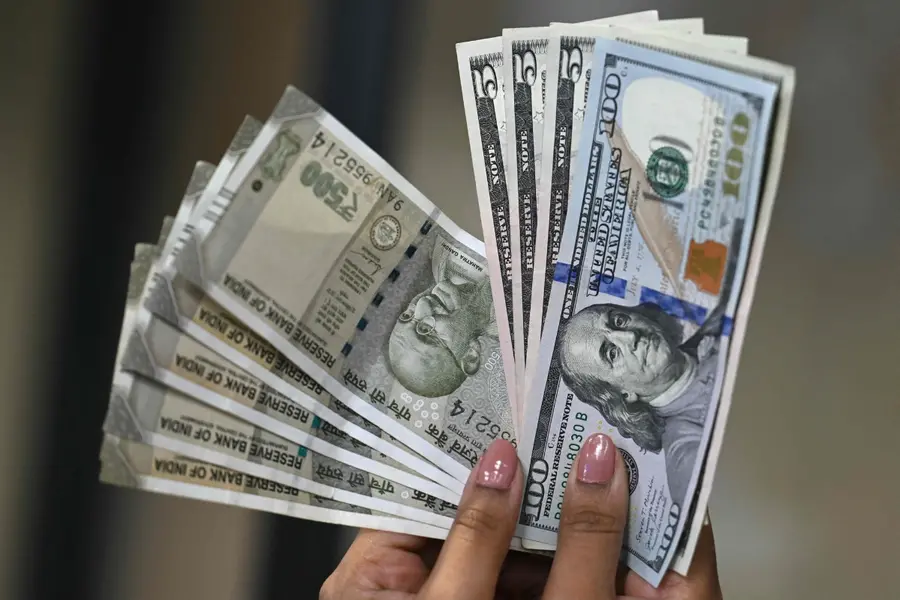
New Delhi: The Trump administration’s threat on Tuesday to impose a 25% tariff on any nation conducting business with Iran is expected to have a "minimal impact" on India, according to government sources in New Delhi.
The directive, announced by President Donald Trump via social media, comes as Iran is gripped by a violent internal uprising that activists say has claimed more than 2,000 lives. Trump declared the new trade penalties "effective immediately" for any country maintaining commercial ties with Tehran.
Also Read

"Effective immediately, any country doing business with the Islamic Republic of Iran will pay a tariff of 25 per cent on any and all business being done with the United States of America. This Order is final and conclusive," Trump posted.
Despite the sweeping language, Indian officials noted that no formal administrative notification has been issued to clarify the implementation. The move adds another layer of complexity to the bilateral relationship; in August, Trump imposed a 50% tariff on Indian goods, which included a 25% surcharge specifically linked to India's purchase of Russian crude oil. Should the new Iran-related penalties be applied, duties on Indian exports could potentially climb beyond 75%.
Limited Trade Exposure
Government sources emphasised that Iran currently does not rank among India’s top 50 global trading partners. Last year, bilateral trade between the two nations stood at $1.6 billion, representing a mere 0.15% of India’s total global trade volume.
Officials expect this figure to decrease further in the current fiscal year. India’s exports to Iran are largely restricted to essential food items and pharmaceuticals. New Delhi halted all Iranian oil imports in May 2019 during the first Trump administration's "maximum pressure" campaign.
In contrast, other regional powers face far higher exposure to the new U.S. mandate. In 2024, Iran’s imports totalled approximately $68 billion, with the United Arab Emirates ($21 billion), China ($17 billion), and Turkey ($11 billion) serving as its primary suppliers.
The Chabahar Exception
A critical point of concern for New Delhi is the Chabahar Port, where India holds a 10-year development agreement for a major terminal.
The project, which serves as a gateway to Central Asia, currently operates under a specific U.S. sanction exemption. The Trump administration granted a six-month waiver for the port project in October 2024, though it remains unclear if the new "final and conclusive" tariff order will override existing humanitarian or strategic carve-outs.
With inpus from PTI
Published: 13 Jan 2026, 11:44 pm IST
Related Topics
Disclaimer: Kindly avoid objectionable, derogatory, unlawful and lewd comments, while responding to reports. Such comments are punishable under cyber laws. Please keep away from personal attacks. The opinions expressed here are the personal opinions of readers and not that of Mathrubhumi.