
India plans to allow private companies to manufacture the Astra Mark 2 missile. Here's why the Centre is making the move, the expected benefits, potential risks and what it means for India's defence strategy.
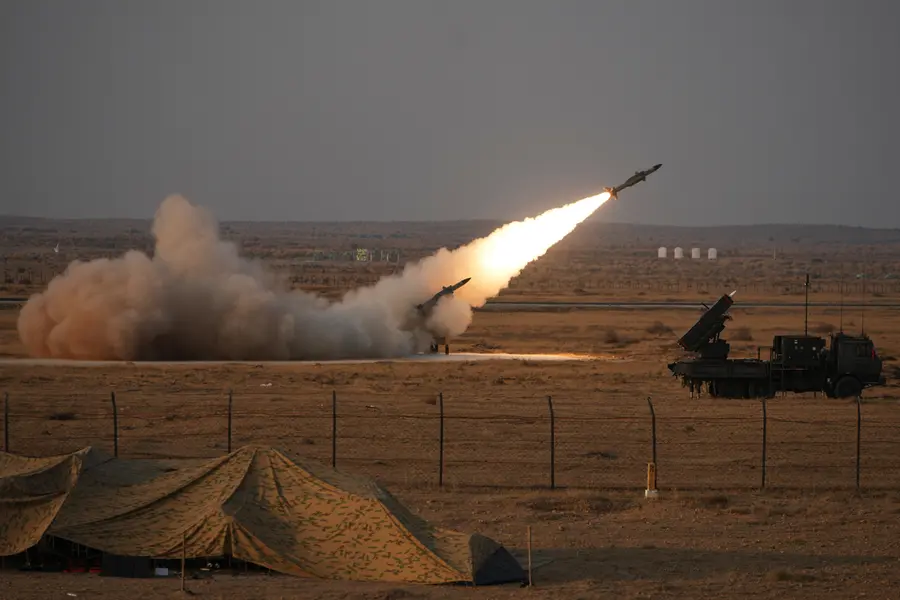
The Centre's decision to open strategic missile manufacturing to private companies marks a major shift in India's defence policy. While the move aims to boost production and exports, it has also sparked debate over security, oversight and the role of private industry in strategic defence.
India is preparing to allow private companies to manufacture strategic missiles, beginning with the DRDO-developed Astra Mark 2, in one of the biggest changes to the country's defence production model in recent years. The Ministry of Defence is expected to invite bids from major Indian firms, including Adani, Tata Group, Mahindra Group, Bharat Forge and ICOMM.
Also Read

Why is India making this change?
The government's primary objective is to increase missile production capacity. State-owned Bharat Dynamics Ltd (BDL), which currently manufactures several missile systems, is facing growing pressure to meet the requirements of the Indian armed forces while also fulfilling export opportunities.
Demand has risen following Operation Sindoor, which highlighted the growing importance of stand-off precision weapons in modern warfare. Interest from countries such as Indonesia in acquiring the Astra missile has further increased the need for higher production.
ALSO READ | DRDO successfully tests Pinaka long-range guided rocket at minimum range of 60 km
What could be the benefits?
Supporters of the move argue that involving private industry could help India manufacture missiles more quickly, reduce production bottlenecks and improve defence preparedness. Greater participation from the private sector may also encourage investment in advanced manufacturing, create skilled jobs and strengthen India's ambition of becoming a major defence exporter under the Make in India initiative.
The Astra Mark 2 is expected to equip aircraft including the Tejas Mk1A, Su-30MKI, MiG-29 and Rafale Marine, making timely production an important priority for the armed forces.
What are the concerns?
The decision also raises important questions. Missile manufacturing involves highly sensitive technology, making strict security measures and government oversight essential. Defence experts have pointed out that quality control, cybersecurity, protection of classified information and consistent manufacturing standards will be critical if multiple private companies participate.
There are also concerns about ensuring that strategic defence contracts remain transparent and that production is not concentrated among only a handful of large corporations.
Is India privatising its missile programme?
Not entirely. The proposed policy does not transfer ownership of missile technology to private companies. The Defence Research and Development Organisation (DRDO) will continue to develop missile systems, while the Ministry of Defence will retain control over procurement, regulation and strategic oversight. Private firms are expected to manufacture missiles under government supervision rather than independently designing or controlling strategic weapons.
What happens next?
The Defence Ministry is expected to issue a request for proposal (RFP) for Astra Mark 2 production. Officials have also indicated that the Pralay tactical ballistic missile could be the next strategic system opened to private manufacturing.
The success of the policy will depend on whether private industry can increase production without compromising quality, security or government oversight. If implemented effectively, it could help India strengthen its military readiness and expand defence exports. If not, concerns over accountability, technology protection and execution are likely to remain at the centre of the debate.
Published: 12 Jul 2026, 07:37 am IST
Related Topics
Disclaimer: Kindly avoid objectionable, derogatory, unlawful and lewd comments, while responding to reports. Such comments are punishable under cyber laws. Please keep away from personal attacks. The opinions expressed here are the personal opinions of readers and not that of Mathrubhumi.